Panel Discussion about Agentic Testing with LeadDev

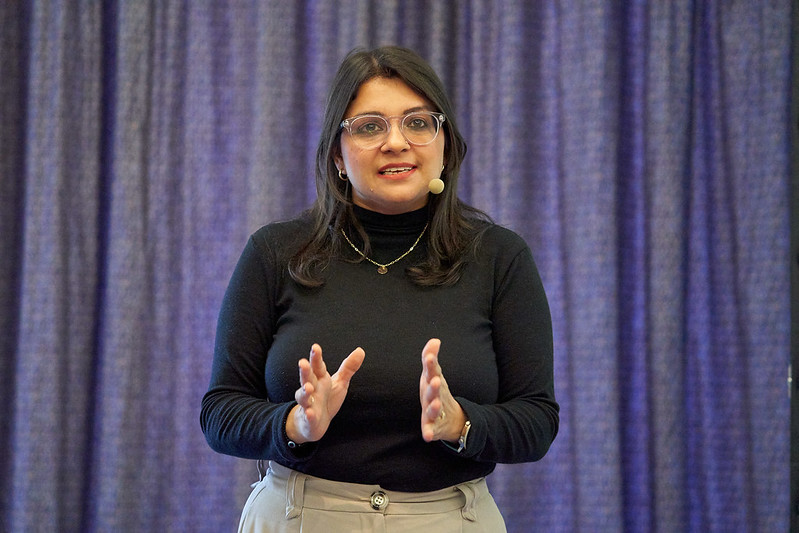
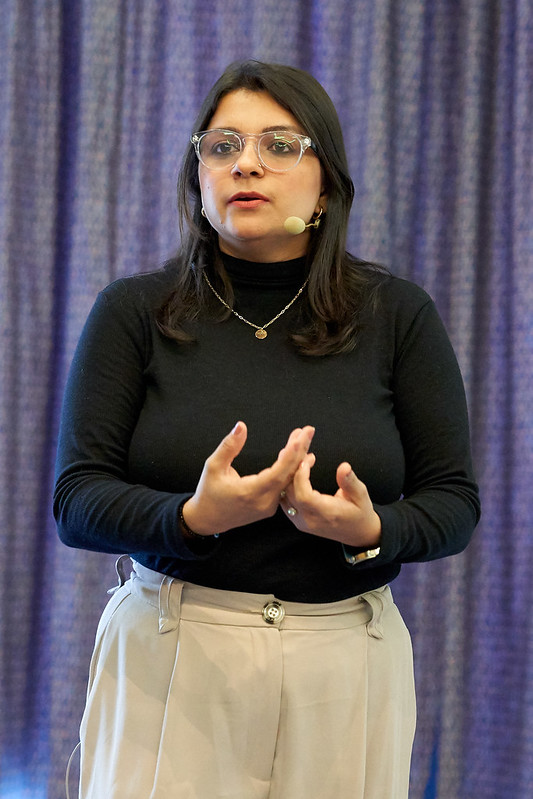
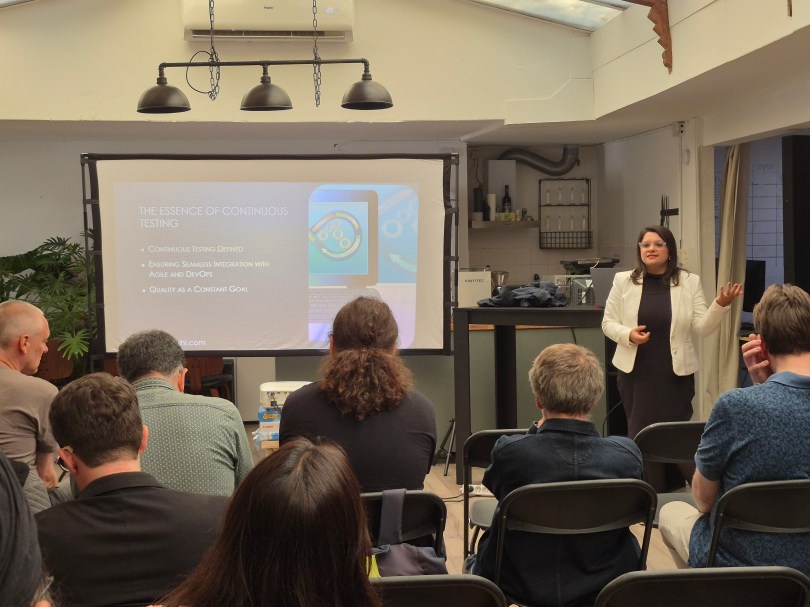
Still buzzing from yesterday’s Panel discussion at LeadDev on “Are You Ready for Agentic Testing?”

https://leaddev.com/event/are-you-ready-for-agentic-testing

We unpacked some powerful themes there:

↩️ What agentic testing really is and How is it shifting testing from scripted execution to adaptive, autonomous quality.

🚧 How do you give agents sufficient context, guardrails, guidance to make them effective

🚐 Practical ways to integrate testing agents directly into our workflows.

🌵 A risks vs benefits analysis of using more autonomous agents & what it means for testers today!

I loved the depth of conversation, the questions, and the energy in the room! We got some amazing questions online from the participants, and the conversation continued on the slack channel later too.

A huge thank you to LeadDev for hosting and to my fellow panelists Richard Bradshaw Vernon Richards and Dan Belcher and our host Amanda Sopkin for putting together such a meaningful, future-focused discussion.

Always a privilege to share space with people pushing the boundaries of quality engineering!

#AgenticTesting #SoftwareTesting #QualityEngineering #Agile #DevOps #AIinTesting #ContinuousDelivery #TestAutomation #LeadDev #AI #AIDiscussions

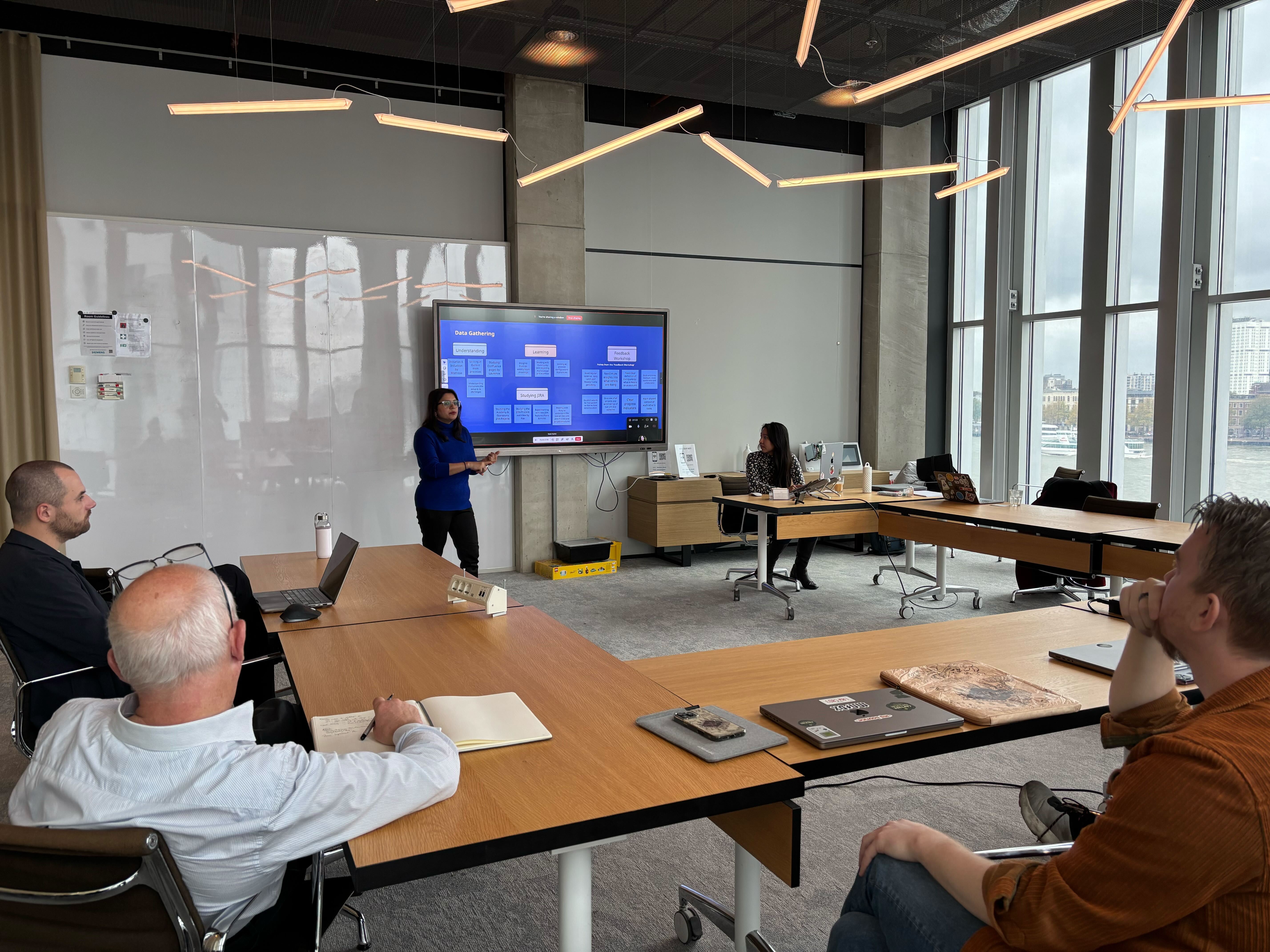
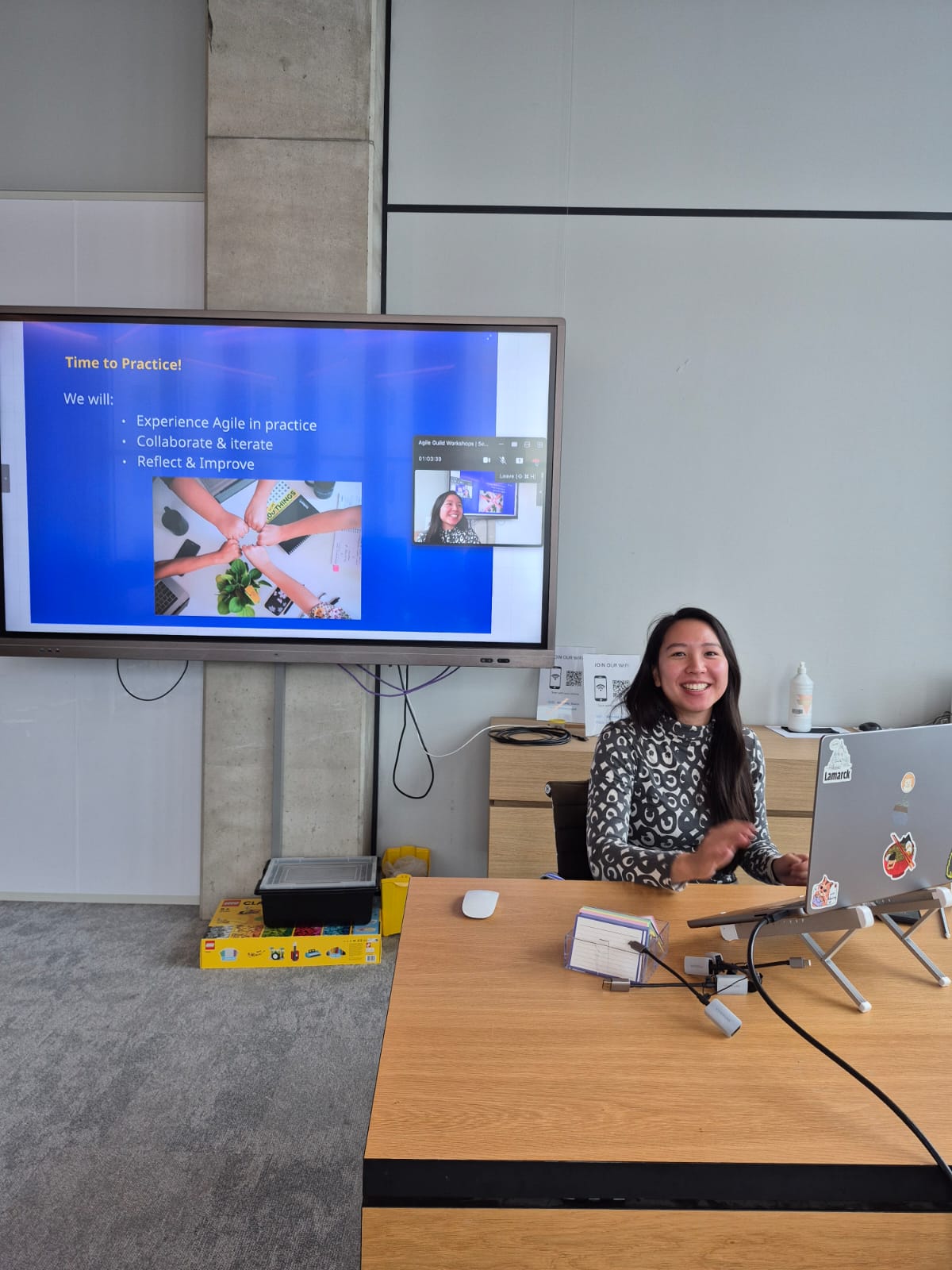
Conducting an Agile Workshop Series at work

Over the last three weeks, I had the opportunity to run a series of Agile workshops for my team — an experience filled with learning, collaboration, reflection, and plenty of fun moments.

I spent my first few weeks exploring how we work today, what’s possible tomorrow, and how we can evolve our ways of working using agile thinking. And when it was time to get ideas to practice, we needed more hands on deck! That is when we created our ‘Agile Guild’ – a core team who would not only help plan and conduct the workshops but also help align all team members to the core principles as and when needed.

🐝 Together with our newly formed Agile Guild, we explored where we are today and where we want to go as an agile organization.

🦄 We brought in new concepts tailored to our context, introduced working in Agile Pods and even reimagined how we use JIRA — moving beyond traditional sprint management — to a setup that truly fits the way our teams operate!

💡 Workshop 1: Deep-dive into our existing processes, pain points, and failures — followed by Agile fundamentals to build a strong base.
🚀 Workshop 2: Our recommended implementation plan using Agile Pods, and strategic discussions on how we can transform the way we deliver.
📊 Workshop 3: Hands-on introduction to JIRA Plans, and how we’ll use it to create clarity, alignment, and predictability across our pods.

🐬 From insightful discussions to hands-on team activities, the sessions sparked great energy and alignment.

🦋 What I loved most was the energy — team activities, honest conversations, shared learning moments, and a clear roadmap for what comes next.

🪴 Feeling grateful for the engagement, the curiosity, and the collective commitment to continuous improvement. Excited for what’s next! ✨

P.S. – The iconic view in this room was the icing on the cake! 🙂

(What you see – The landmark Erasmus Bridge of Rotterdam over the serene waters)

#Agile #AgileTransformation #AgileLeadership #ScrumMaster #TeamLearning #ContinuousImprovement #WaysOfWorking #JIRA #WorkshopFacilitation #LeadershipInTech #AgileCoaching

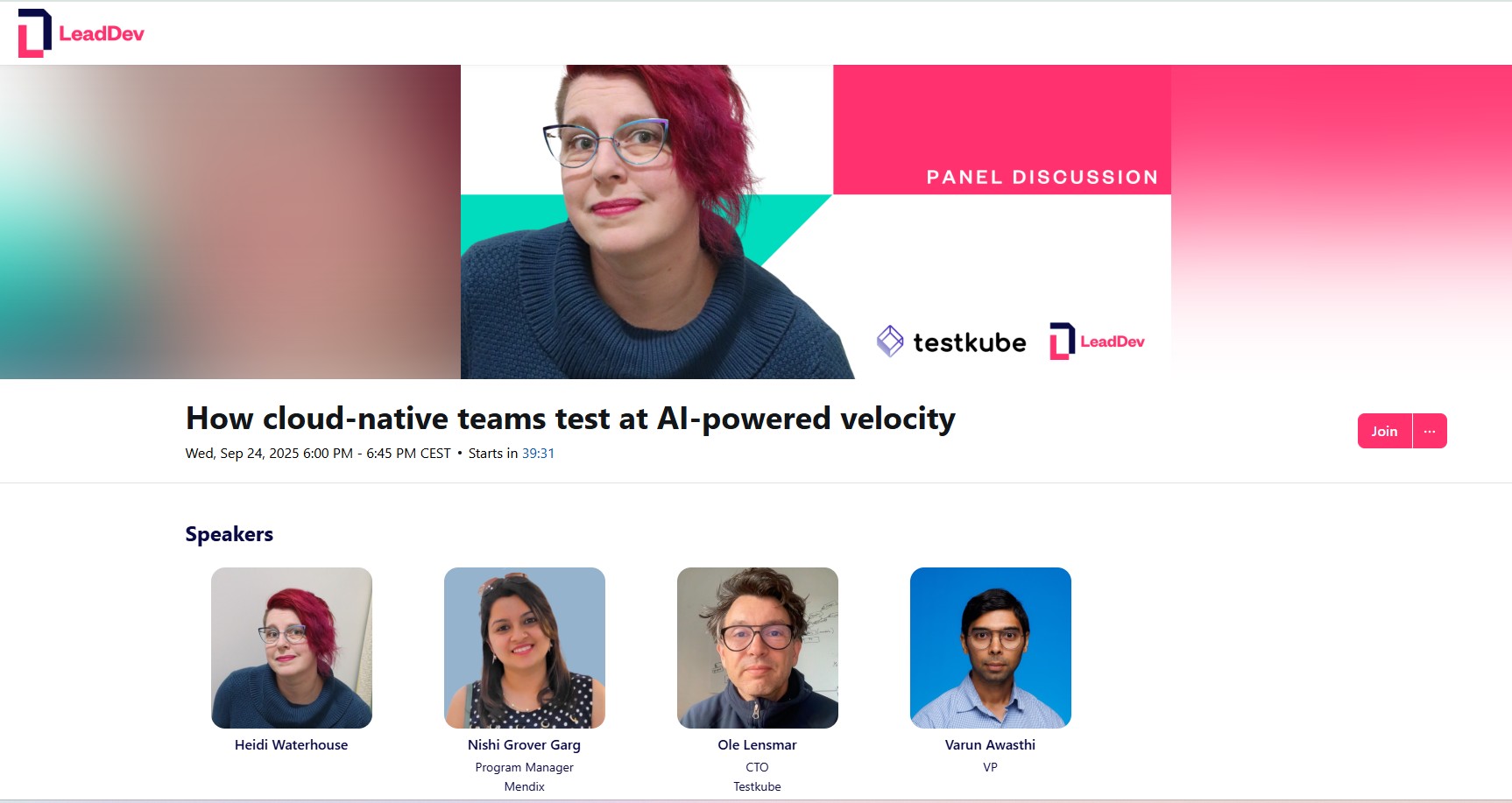
Speaking at LeadDev Panel Discussion: How Cloud-Native Teams Test at AI-Powered Velocity 🚀

What an honor it was to join the panel discussion hosted by LeadDev this week—alongside brilliant minds like Ole Lensmar, @Varun Awasthi, and our amazing & talented moderator Heidi Waterhouse.


Event Link: https://leaddev.com/event/how-teams-test-at-ai-powered-velocity


We tackled one of the most pressing questions in software today: How do we maintain quality and developer experience when velocity is being pushed to its limits—especially with AI tools accelerating the pace?
Here are a few of my favorite takeaways that resonated deeply:

🔍 Key Insights & Highlights


🌿 Orchestrating Tests in Cloud-Native Environments
Scaling test automation across Kubernetes and complex cloud infrastructures is no longer optional—it’s essential. We discussed patterns and practices that help achieve consistency and coverage without slowing things down.

🌿 Breaking Down Silos between QA, Platform, and Dev Teams:
Collaboration is critical. One recurring theme: embedding quality into every step, not isolating QA as a final gate. Cultivating shared responsibility ensures faster feedback loops and higher trust. LeadDev

🌿 Better Observability, Fewer Flakes:
Too often we drown in test noise. By improving observability—clearly distinguishing signal from noise—we can reduce flaky tests and focus on real quality signals. LeadDev

🌿 Developer Experience as a First-Class Concern:
Velocity is important, but not at the cost of a broken feedback loop. Optimizing for DX means tests must be fast, reliable, and integrated—so developers feel empowered, not burdened.

The depth of conversations, the invigorating questions, the connections made—all of it reaffirmed how powerful shared learning is.

A heartfelt thank you to the LeadDev team for inviting me and running such a seamless, high-impact event. And to my fellow panelists and everyone who joined the discussion: thank you for your insights, your challenges, and your curiosity. We grow by asking hard questions together!💡

Cheers,

Nishi

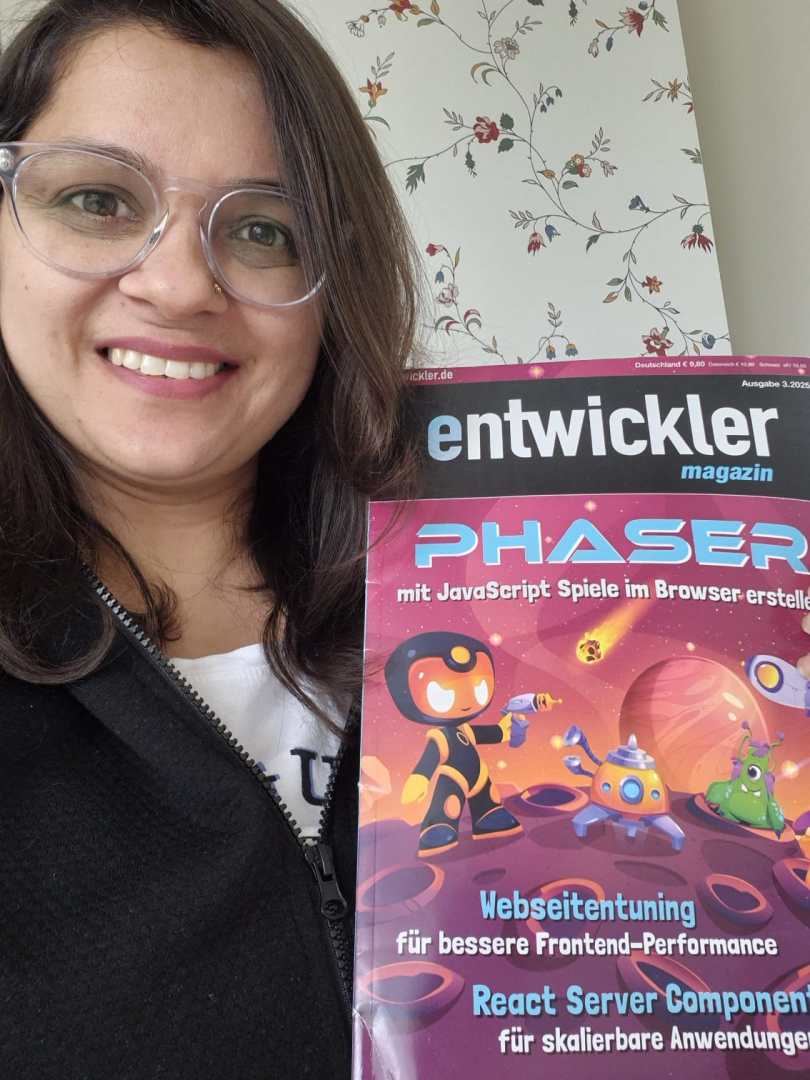
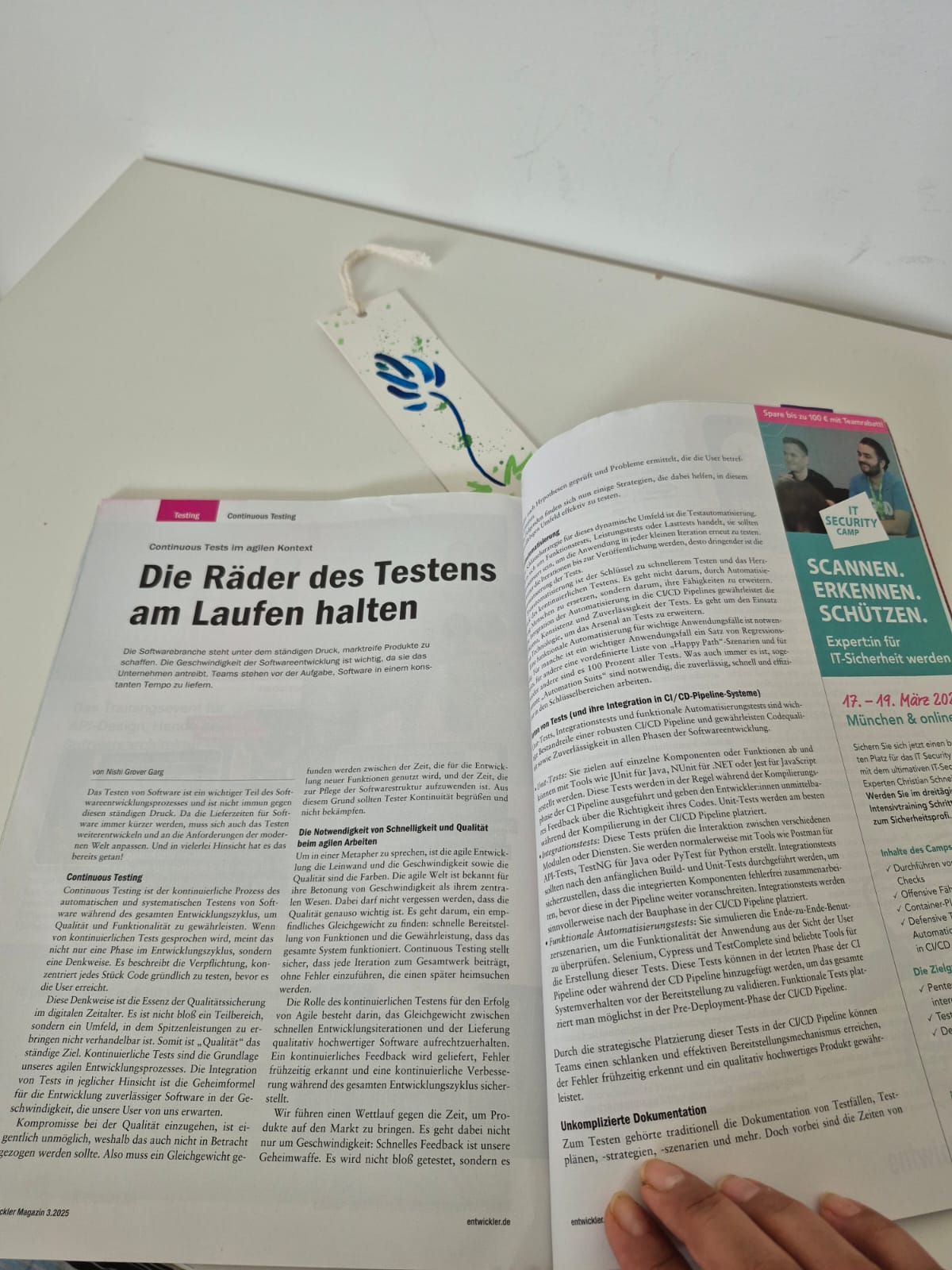
Thrilled to see my name in print — in German!

Thrilled to see my name in print — in German!! 🇩🇪📖

When I first wrote this article on Continuous Testing in Agile—highlighting the need to balance speed with quality, and keep the “wheels of testing” running—I had no idea it would travel this far.
But today, I’m proud to share that my work has been published in the print edition of Entwickler.de, one of Germany’s most respected tech magazines! 🎉

Originally written in English and translated by the amazing editorial team, the article is titled:
🔍 “Die Räder des Testens am Laufen halten”
(“Keeping the Wheels of Testing Running”)
— and dives deep into how Agile teams can stay efficient and resilient with continuous testing strategies, even in fast-paced delivery cycles.

🧪 From quality thinking to adaptive test environments, the article covers the mindset and methods teams need to deliver great software, consistently.

💜 A big thank you to the Entwickler.de team for beautifully presenting the article and sending me a print copy that I’ll treasure.
🙏 And a warm shoutout to the Devmio team as well for our collaboration and continued support in sharing meaningful conversations around DevOps and Quality at Scale.

Here’s to celebrating small wins, sharing knowledge, and seeing our ideas come to life across borders and languages! 🌍✍️

📖 Read the article here:
👉 https://entwickler.de/testing/die-rader-des-testens-am-laufen-halten-002

#ProudMoment #ContinuousTesting #AgileQuality #DevOps #EntwicklerDe #AgileTesting #TechWriting #DevOpsCon #WomenInTech #TestAutomation #QualityAtScale #KnowledgeSharing #AgileLeadership #PublishedAuthor #FromIdeaToPrint

Speaking at DevOpsCon Berlin

What an Incredible Experience Speaking at DevOpsCon Berlin 2025! 🎉

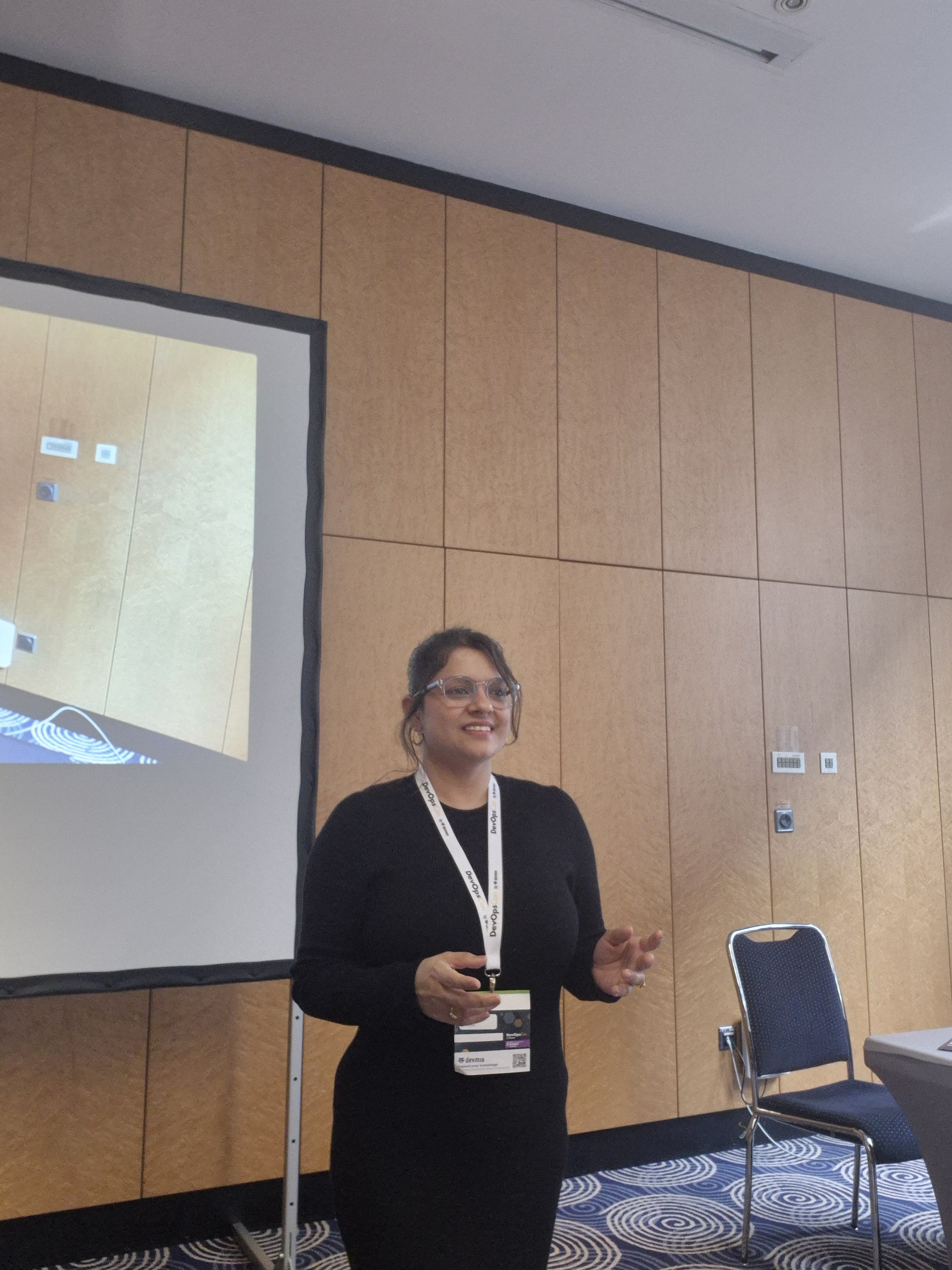
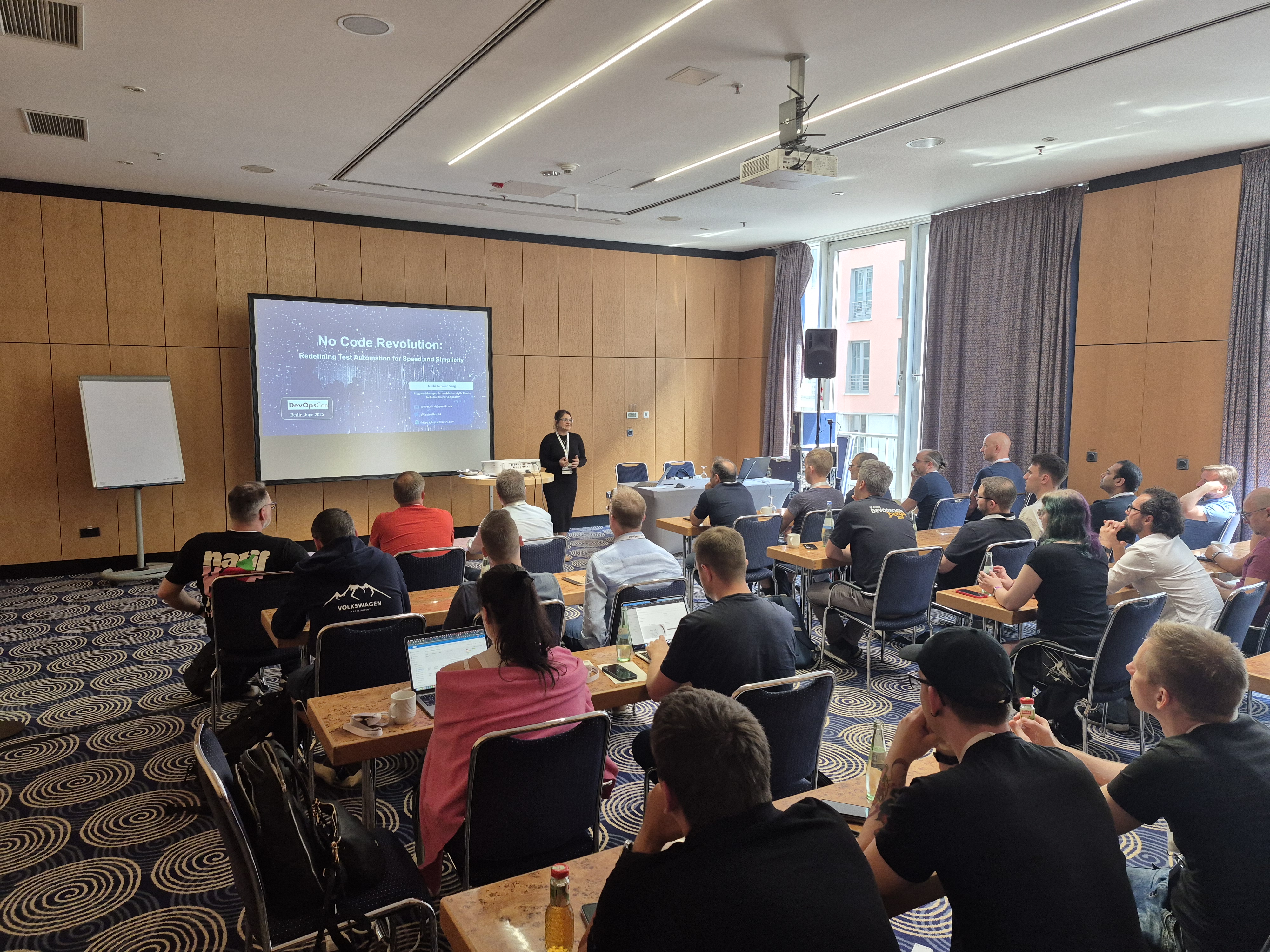
Last week, I had the honor of speaking at DevOpsCon Berlin on June 17-18, 2025, and what an amazing experience it was!

From the moment I stepped on stage to deliver my session(s), I could feel the energy and curiosity in the room. The engagement, questions, and feedback I received were truly inspiring and reaffirmed why I love sharing knowledge and learning from the incredible tech community. 💡 (More about my sessions shared here earlier)

But this event wasn’t just about speaking—it was about connecting. I had the privilege of meeting some of the most passionate and brilliant minds in DevOps. Our chats were not only insightful but also a reminder of how collaborative and innovative this space is. Special thanks to @Simon , @Robert , and @Richa for some enriching conversations and the shared laughs that made these days even more memorable. It is always a pleasure to work with @Fabian and meeting in person was even more fun!

As I look back at these moments , I feel immense gratitude for the opportunity to contribute to this thriving community. Here’s to more connections, collaborations, and growth in the future! 🌟

A huge shoutout to the organizing team @Mirjam , @Nadia and the @S&S Conference team for hosting such a seamless and impactful event—it was no small feat, and you nailed it! 🙌

If you attended my session or would like to chat about any of the topics, feel free to reach out—I’d love to keep the conversation going. Let’s continue building and growing together! 🚀

Cheers,

Nishi

I am speaking at DevOpsCon Berlin (June 2025)

I am excited to share that I will be speaking at DevOpsCon Berlin next week, an event by devmio.

This event is known for its power workshops, practical learning avenues and networking with international community of Agile & DevOps enthusiasts, I am excited to be presenting not one but 2 sessions – one focused on No-Code Test Automation Revolution and another about Leading Scrum teams in dynamic environments.

The conference offers 4 full days of learning in the form of sessions, keynotes and workshops, with options to attend in-person or online – here is the full program https://devopscon.io/berlin/program-berlin/

As I prepare to travel to Berlin again, this will definitely be a new experience as a European native and having my family along with me! I am excited to meet some new people and reconnect with the amazing people I met in the past years.

Here are the details of my 2 sessions:

No Code Revolution: Redefining Test Automation for Speed and Simplicity

With numerous test automation tools and frameworks available today, many in the software testing industry are focused on learning them all. It is important to stay updated with new technology. But are testers losing something in the race to become more technical and equipped with automation skills? Is your test automation becoming so technical and code-intensive that it’s in danger of alienating the subject-matter expert testers who best know the core of your business?
Testing is a creative field and Test automation tools are the necessary technology that is meant to serve us.
Test automation is undergoing a paradigm shift with the rise of no-code platforms. This session dives into how no-code test automation tools are transforming traditional testing practices, enabling faster implementation, and making testing accessible to non-technical stakeholders.

Takeaways :
Attendees will discover:
>>What steps to take to not alienate your business testers and other key stakeholders from yoyr test automation.
>>How no-code platforms democratize test automation for Agile teams.
>>Techniques to reduce setup time and increase test coverage.
>>Practical insights into leveraging no-code tools for scalable, efficient testing

Mastering Scrum and Navigating Agility in Dynamic environments

Agile teams in startups can be in a constant state of flux, and creating harmony there requires mastering adaptive leadership techniques, relooking at processes and leaning them out to suit the needs of the teams. In this session, we will dissect the intricate dance of leading software delivery in startup agile teams, and discover actionable strategies for navigating the complexities of program management in fast-paced environments. 

Scrum masters, agile leaders and team members will gain valuable insights into aligning team efforts with business goals while maintaining agility and high-quality standards.

By the end of this session, you will:​

>Gain insights into adaptive leadership techniques tailored for startup agility.

>Learn practical approaches to balance speed and quality in software delivery.

>Explore effective methodologies managing scrum teams in dynamic startup ecosystems.

From Team to True Squad: Building Synergy in Scrum

I’m excited to share my latest article, “From Team to True Squad: Building Synergy in Scrum,” recently published on Devm.io!

We often hear about the importance of teamwork when we talk about agile and Scrum in particular. But there’s a massive difference between a group of individuals that work together and a squad that truly clicks. Building a high-performing Scrum team is less about following rigid frameworks and more about nurturing relationships, creating trust and creating a shared vision & sense of purpose. What truly elevates a group of individuals into a high-performing squad is synergy—that magical cohesion where the whole is greater than the sum of its parts.

Key Insights from the Article

🔹 Continuous Improvement: Agile squads thrive when retrospectives are used not just as a ritual but as a powerful tool for learning and growth. The key is to focus on actionable feedback, addressing both the wins and the pain points. Improvement isn’t a one-time event; it’s a mindset that fosters resilience and adaptability.

🔹 Alignment with Autonomy: Balancing squad goals with overarching organizational objectives can be tricky, but it’s essential. Alignment ensures that the team delivers value, while autonomy empowers them to decide how to deliver it, fueling innovation and ownership.

🔹 The Role of Trust: A true squad is built on a foundation of trust. When team members trust each other, they feel safe to share ideas, challenge norms, and admit mistakes—without fear of blame or judgment. This psychological safety is the bedrock of creativity, collaboration, and continuous improvement. Leaders must actively foster trust by encouraging open dialogue, leading by example, and celebrating team wins.

🔹 Fostering Synergy: Building synergy means creating an environment where collaboration isn’t just encouraged—it’s ingrained in the squad’s DNA. This involves clear communication, shared accountability, and a shared vision of success.

Why It Matters

Agile is more than a process; it’s a way of thinking. When squads embody these principles, they don’t just deliver—they innovate, inspire, and transform.

📖 Read the full article here: From Team to True Squad: Building Synergy in Scrum

I’d love to hear your thoughts:

  • How do you foster trust within your teams?
  • What strategies have helped your squads achieve true synergy?

Let’s discuss and share ideas!

#AgileLeadership #TeamSynergy #ScrumMastery #TrustInTeams #ContinuousImprovement #AgileSquads #LeadershipMatters #DevOps

My experience Speaking at DevOps Amsterdam meetup

🎤 First Speaking Experience in Amsterdam: A Milestone to Remember! 🌍

Last week, I had the incredible opportunity to speak at the DevOps Amsterdam Meetup! As my first speaking experience as a native in Amsterdam, it was truly a milestone moment for me. Sharing insights with such an engaged and vibrant tech community was both inspiring and energizing.

The event was presented by the DevOpsDays Team including Lian Li , hosted by TerraTeam and my fellow speaker was the co-founder himself Malcolm Matalka.

The audience’s curiosity and passion for learning reminded me why I love being part of the tech world. It was amazing to connect with professionals who share a collective drive to innovate, collaborate, and grow. I loved meeting some amazing people and inspiring professionals at the event.

I’m deeply grateful to the organizers and attendees for making it such a memorable experience. This is just the beginning—I’m excited to contribute more to the local tech scene and continue learning and growing alongside this fantastic community.

Here’s to more opportunities, new connections, and shared knowledge! 🚀

#DevOps #AmsterdamTech #PublicSpeaking #GrowthJourney #Community #Grateful #DreamLifeUnlocked #SpeakerLife #DevOpsAmsterdam #DevOpsDays

Shipping Daily : From Sprints to Continuous Releases

DevOps Teams that achieve daily releases have mastered a unique set of skills and practices to ship software faster and more frequently, with higher confidence. This high frequency release model differs significantly from the traditional Scrum framework with 2-week sprints (or longer). 

I wrote about this recently in my article published at devm.io platform , where I discussed the daily routines, processes and tools that support these teams, while contrasting them with more familiar cadence of traditional scrum teams. For teams and organizations looking to move towards daily releases, I also covered the key adjustments required to turn this vision into reality.

The Daily Rhythm: Planning, Execution, and Monitoring

1. Planning

For teams delivering code daily, the rhythm of planning, execution and monitoring does not follow the two-week sprint cycle but happens continuously. Here is what this daily rhythm looks like:

  • Frequent Prioritization: Daily release teams prioritize their work each day, selecting high impact tasks that can be completed and shipped within a single day.
  • Dynamic Backlogs: Instead of working with a static sprint backlog which is derived from the mammoth product backlog, these teams operate with highly flexible backlogs – adding things to it every day. They are ready to pivot quickly in response to customer feedback or issues, urgent needs or new business opportunities.
  • Smaller Targeted Tasks: Work items are broken into small, manageable pieces – each designed to be completed within hours. User stories and tasks are refined to be achievable in less than a day, keeping workloads manageable and ensuring that work completed aligns with daily release goals.

2. Execution

Unlike Scrum teams that often release at the end of a sprint, daily release teams execute work with a focus on immediate delivery.

  • Incremental Work: Instead of waiting until the end of a sprint, developers push small, frequent changes every day. Every code change is designed to be testable and deployable at the end of the day.
  • Automated Testing: It is critical to daily releases. CI pipelines are designed to run tests on each code change, ensuring stability and reliability and readiness of production.
  • Seamless Deployment: CD pipelines are in place, so that the code – once tested – is deployed automatically to production. With daily releases, teams cannot afford to spend hours on deployment activity every single day – so it is imperative to automate it.

3. Monitoring

  • Automated Monitoring: Monitoring tools track deployment success, system performance, and error rates in real time. Tools like Datadog, New Relic, or Prometheus help track application performance, error rates and system health. These tools are crucial for catching issues early and preventing them from impacting users.
  • Daily Retrospective Feedback Loops: Instead of waiting until the end of a sprint, the team reviews their daily progress and identifies immediate improvements – leading to quick adjustments.

Read the full article here for details on :

Normal Scrum vs Daily Release : Key Differences

Practices to Support Daily Releases

Key Metrics to Track

When are Daily Releases Appropriate?

Benefits of Daily Releases

Agile Metrics that Matter: Measuring Success in Software Delivery

In the world of software delivery, the agile approach has transformed the way teams work, adapt and succeed. Agile is all about delivering value quickly and iteratively, but how do we know our team is succeeding at that? The answer will lie in the metrics we track.

I tried to answer this in my article that was published on devm.io platform recently.

Why Metrics Matter in Agile

Agile metrics provide valuable insights into:

  • the health of our processes,
  • helping us make informed decisions,
  • identifying areas of improvement and, eventually,
  • delivering better software.

Before we get into specific metrics, it is important to understand why tracking metrics is crucial in agile development.

Agile thrives on feedback – whether it is from users, stakeholder, or the development process itself. Metrics provide that feedback, helping teams understand where they stand and where they need to go.

Metrics help us answer critical questions:

  • Are we delivering value quickly enough?
  • Are we maintaining quality as we move fast?
  • Are our customers satisfied with the product?
  • Where are the bottlenecks in our process?

Without metrics, these questions are left to guesswork.

With metrics, you have data-driven insights that guide decision-making, foster continuous improvement and ensure alignment with business goals.

Let us explore the key metrics that agile teams should track to measure success in software delivery.

1. Lead Time and Cycle Time

Lead time is the time taken for a piece of work from request to delivery. It includes everything from the requirement coming in, to the idea generation, coding, testing & deployment.

Cycle time is the time it takes to complete a specific task or user story from the moment work starts on it to when it is finished. Unlike lead time, cycle time doesn’t include the time spent in backlog or waiting for the work to start.

In agile, the goal is to deliver value quickly & frequently. Lead time tells you how quickly your team can turn ideas into working functionality. Shorter lead time would indicate a more efficient process and better response to market changes.

Cycle time helps you understand the efficiency of your team’s workflow, and how long it takes to deliver a piece of work once it is in progress. Shorter cycle times mean that the team is working efficiently and can handle more tasks within a sprint.

—- Follow the link to read further —–

https://devm.io/agile/agile-metrics-software-delivery-analyze

About devmio

devmio is an IT and Tech conference platform that goes beyond the conference room. Join live events, read magazines and articles from the IT experts you know and love! You can join the live events to chat with experts, read magazines written by experts and attend conferences with exclusive discounts all accessible with their Fullstack Experience membership. Join here -> https://devm.io/