Best Practices to implement while doing Web Applications Testing

In today’s fiercely competitive digital landscape, flawless web applications are the cornerstone of a successful online presence. However, achieving this ideal requires a strategic and often overlooked weapon: meticulous web application testing.

A recent study by the International Software Testing Qualifications Board (ISTQB) , a leading authority in software quality, unveils a compelling statistic: organizations with robust testing practices experience a remarkable 63% reduction in post-release defects. Let’s unpack what this means for your web app:

  • Reduced Costs: Fewer bugs after launch translates to less time and money spent fixing issues after deployment. Imagine the savings associated with catching and rectifying problems early in the development cycle.
  • Happier Users: A web application riddled with bugs and usability issues is a recipe for user frustration. Effective testing ensures a smooth and intuitive user experience, leading to happier and more engaged users.
  • Enhanced Brand Reputation: A web application that functions flawlessly and delivers a seamless experience builds trust and strengthens your brand reputation. Users are more likely to recommend a reliable and user-friendly application.

Having established the undeniable value of web application testing, let’s now equip you with the knowledge to construct bulletproof applications. Here, we’ll delve into the best practices that empower you to implement a comprehensive testing strategy:

Best Practices for Web Application Testing

Emphasize User-Centric Evaluation:

Usability testing assumes a pivotal role in meticulously appraising how users interact with your web application. Through a granular examination of factors such as interface design, navigational architecture, content perspicuity, and overall user experience, you can discern areas for improvement and refine your application to achieve optimal user-friendliness. Remember, a user-centric approach is instrumental in fostering user engagement and propelling conversions.

Evaluate Web Application Performance:

Performance testing meticulously assesses the responsiveness and loading speed of your web application under various conditions. This encompasses factors such as page load times, system stability under high traffic volume, and overall responsiveness. A web application exhibiting sluggish loading times or subpar performance can significantly impede user satisfaction. Performance testing empowers you to identify and rectify these bottlenecks, ensuring a seamless and efficient user experience.

Implement Comprehensive Security Testing:

Security testing is an indispensable facet of safeguarding your web application from vulnerabilities that could be exploited by malicious actors. This process involves meticulously identifying and rectifying potential security weaknesses to protect user data and maintain the integrity of your application. Robust security testing fosters trust with your users and shields your application from cyber threats.

Integrate Exploratory Testing Throughout the Development Lifecycle:

Exploratory testing embodies a dynamic testing approach where testers leverage their acumen and creativity to improvise test scenarios while interacting with the application. This method uncovers issues that might be missed by scripted tests and assists in identifying unforeseen user behaviors. By incorporating exploratory testing throughout the development lifecycle, you can proactively discover and rectify potential problems before they impact your users.

Prioritize Cross-Browser Compatibility Testing:

A cornerstone of web application testing involves verifying consistent functionality across a diverse array of web browsers and devices. Contemporary users leverage a heterogeneous assortment of platforms to access websites, thus compatibility with prominent browsers (Chrome, Firefox, Safari, Edge, etc.) and devices (desktops, tablets, mobiles) is paramount. This meticulous approach guarantees a broader reach and a uniformly positive user experience for all.

End Note

In the ever-evolving digital arena, flawless web applications are no longer a luxury, but a strategic necessity. This guide has served as your compass, navigating you through the importance of web application testing and its impact on user experience, cost-effectiveness, and brand reputation. Now, armed with the best practices , you are empowered to transform your web application from a nascent concept into a robust and user-centric reality. Remember, exceptional web experiences are not born by chance, but meticulously crafted through the fires of rigorous testing.

Embrace this knowledge, embark on your testing journey, and unlock the full potential waiting to be unleashed. Let your web application become the cornerstone of your digital dominance.

<This is a guest post by Vijayashree Shinde>

Vijayashree Shinde is the Digital Marketing Executive. She has worked in a wide range of industries, including the software testing industry. Currently, she is a Digital Marketer at Testrig Technologies. In addition to as marketing expertise, Vijayashree enjoys writing articles on quality assurance for a larger audience.

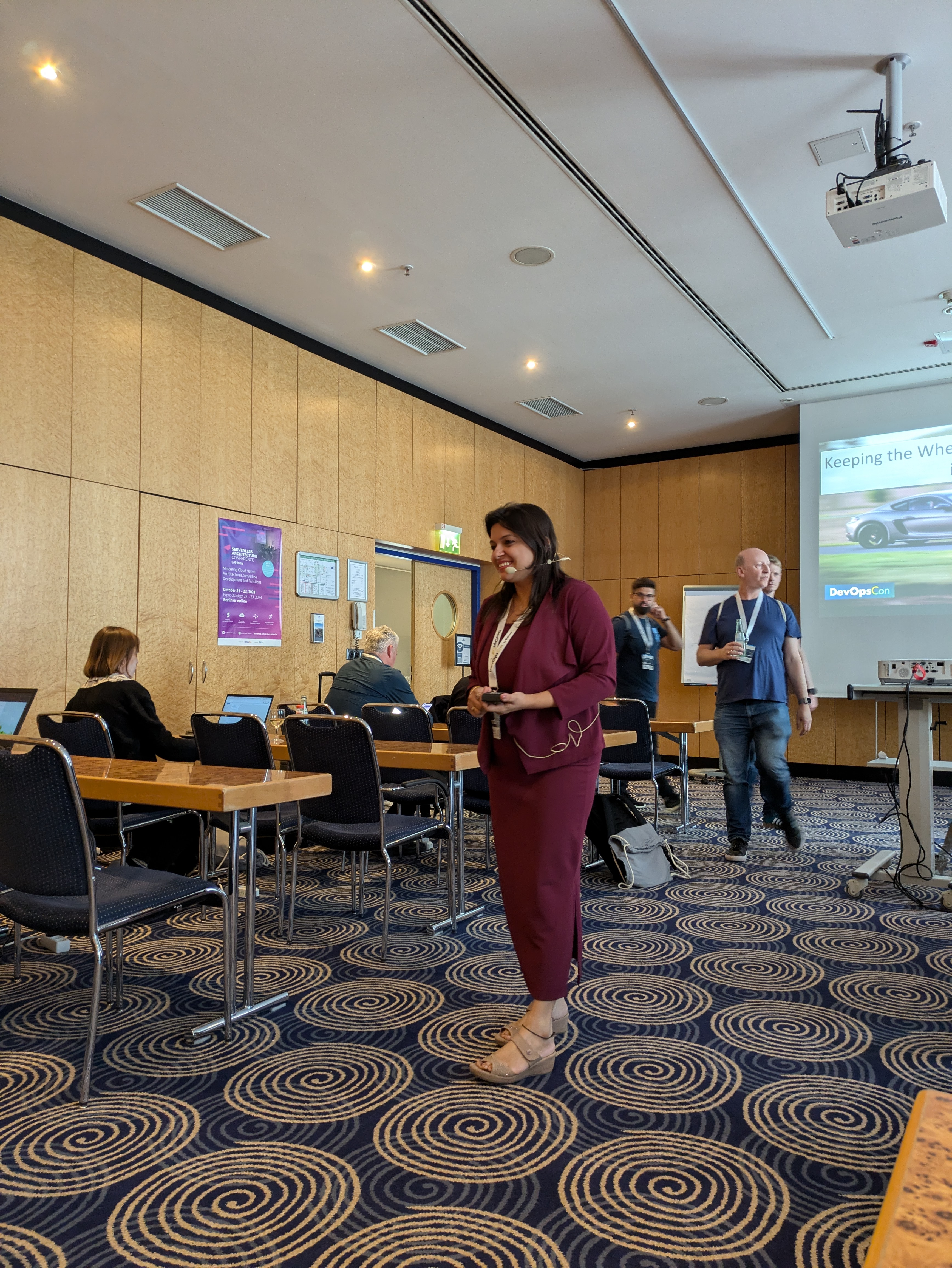
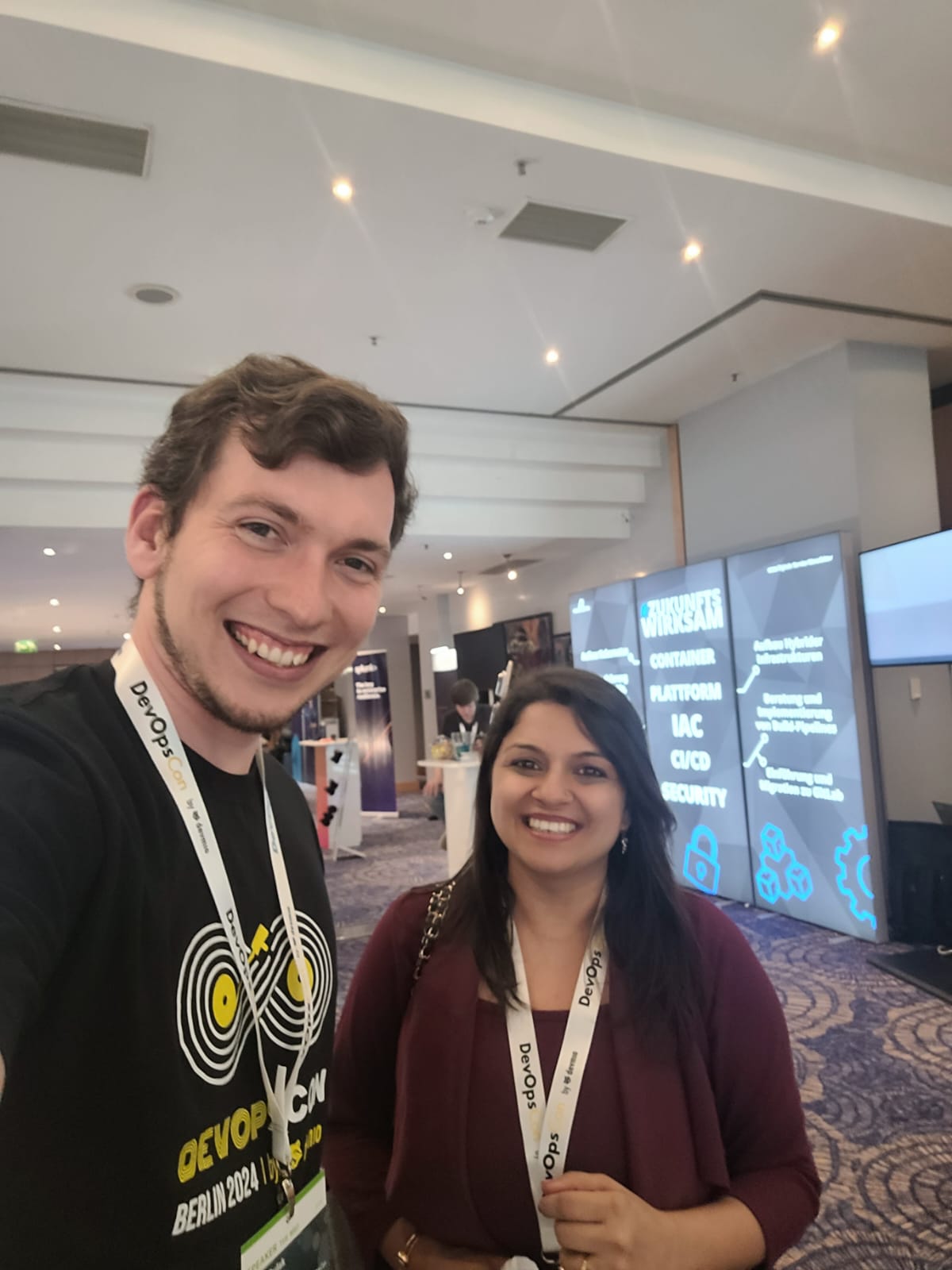
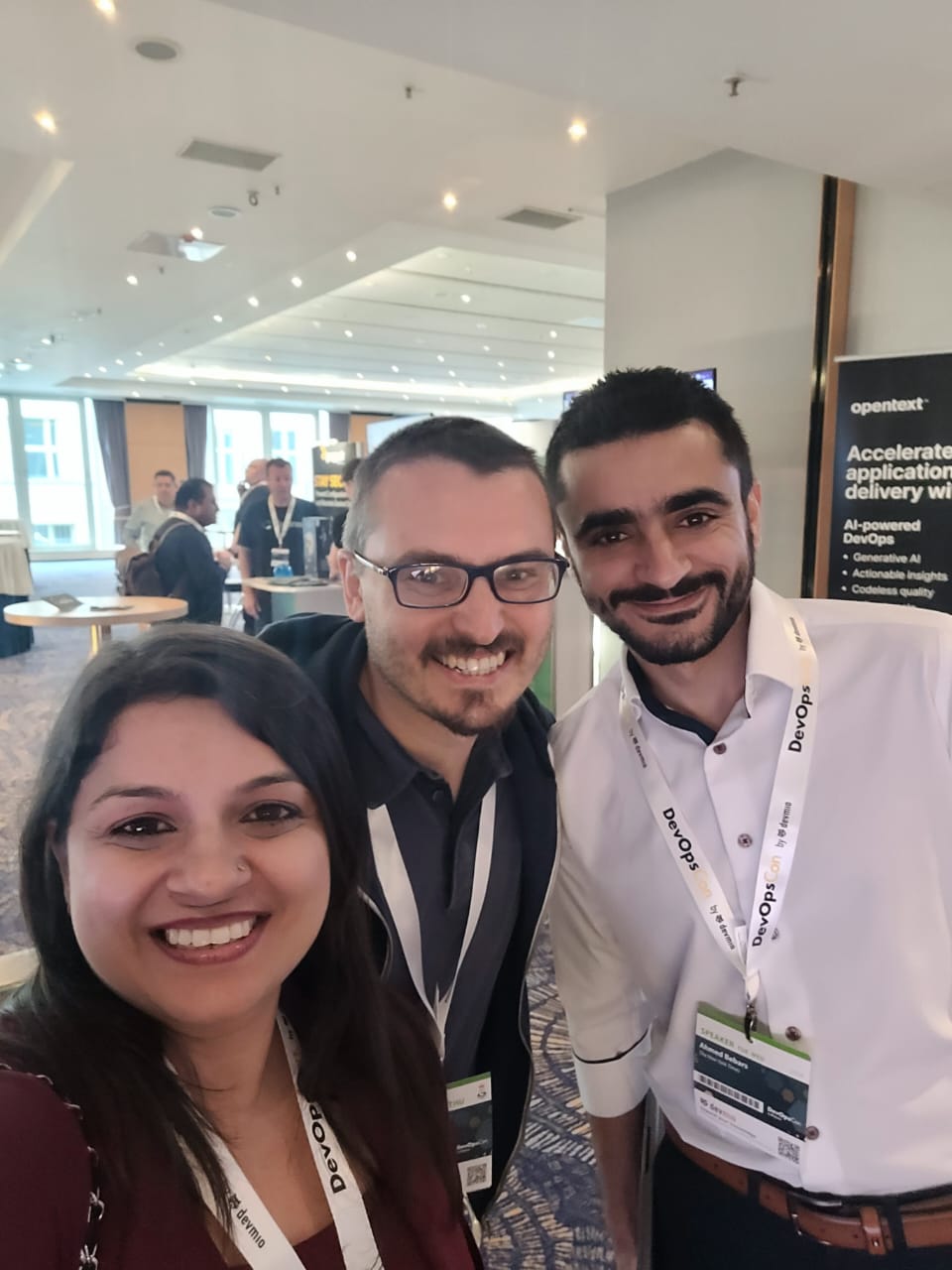
I am speaking at DevOpsCon, Berlin

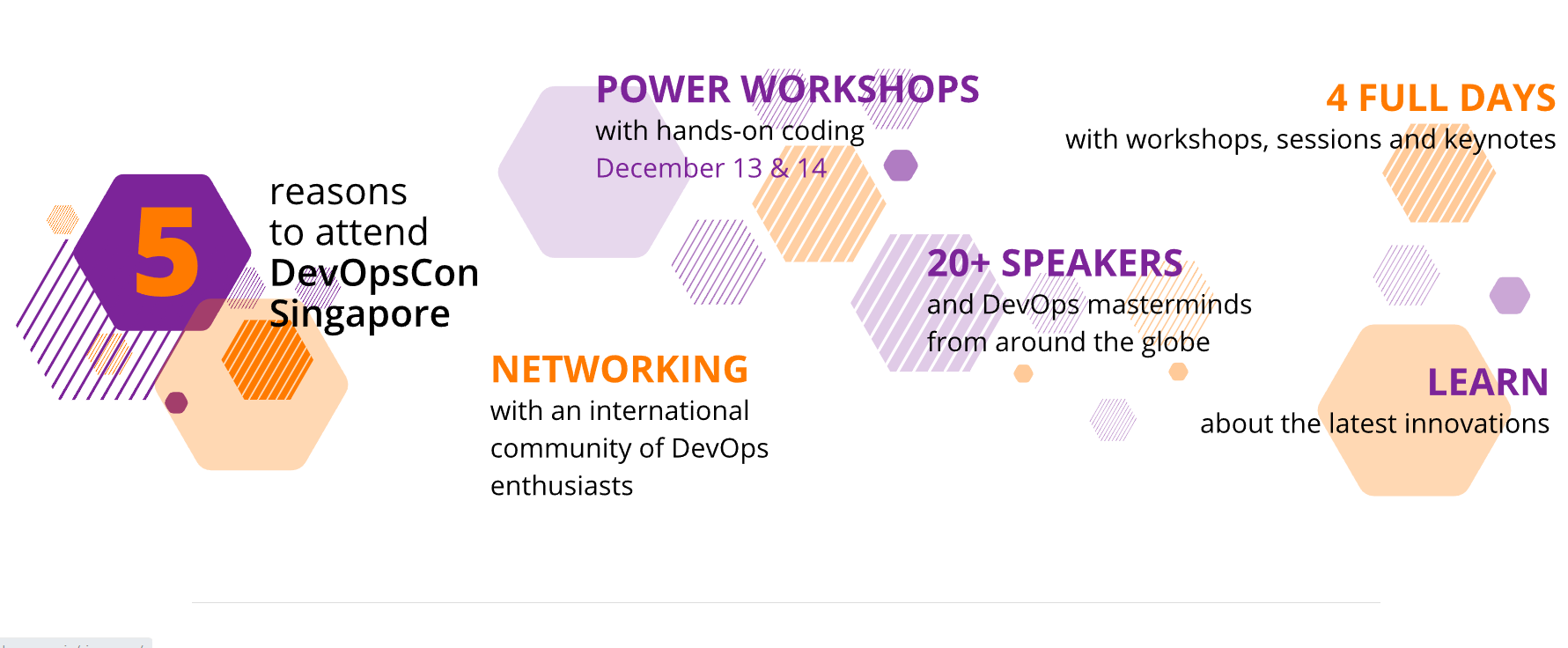
I am elated to share another speaking invitation that I am super excited and honored to receive! I will be speaking at DevOpsCon, Berlin – which will be a grand event hosted by S&S Media from June 17 – 20, 2024, at the Maritim ProArte Hotel. The event will include 4 full days of learning about the latest industry innovations with Power Workshops, Sessions and Keynotes with 40+ speakers from around the globe!

I am honored to be a part of such an esteemed speaker line up!

The event has learnings spread over many tracks such as –

The program is full of engaging topics and intriguing talks and keynotes. My talk is titled

“Keep the Wheels of Continuous Testing in Motion” – Here are the details of the session:

Description: “Continuous testing is the way toward continuous delivery. Software teams must strive for continuous improvement of their continuous testing strategy. Continuous delivery is necessary for agile development, and that cannot happen without having continuity in testing practicestoo. In a DevOps environment, teams can reduce their release times from months or years to weeks or days (or even hours!). By adopting the correct practices and embracing the spirit of continuous learning and improvement, we can help our testers to become agile champions. In this talk we will explore some tips to improve your continuous testing framework and help your DevOps succeed including: ensuring test automation is the best fit, leveraging automation benefits in all aspects, selecting the right tools, and creating the optimal pipeline.”

Here is the Registration Page for the event – Get your tickets now!

See ya there!

Nishi

Giving Mentorship is a service, to them, & to yourself – ‘Global Mentorship Program 2023-24’

β€œThe mind is not a vessel to be filled, but a fire to be kindled.”
― Plutarch

And that is how we took the mentorship experience that I was a pert of recently.
I was a part of AgilityToday‘s Global Mentorship Program 2023-24 organized by #WomenInAgileAndTech which concluded last week. It was a great experience, sharing my knowledge but also learning from so many others in unique ways.
I have been associated with the organizing community AgileVirgin in the past too and have always liked the zeal they put into everything they conduct. So, I decided to take up the role of a mentor in this program.

I was matched with a mentee by the program, which then kicked off a 4 week journey into the program.
It is always great to meet curious young minds like my mentee Nikita Priyadarshini, who is full of zeal, ideas, questions and enthusiasm!

We had some amazing conversations, chatted about her career aspirations, what she wanted to learn and then charted out a plan for our sessions.

The weeks flew by and we made great progress in every session. Nikita always had great questions, ideas, and results on every topic we talked about. I made sure to share some good resources, reads, book recommendations, online courses and articles to help further her learning.

Here is a gist of what we covered in our mentorship program- as summed up nicely by Nikita into a mindmap!

Thus concluded our Mentorship Program , and we had a closing call with the organizing team where we had a chance to meet other mentor-mentee pairs as well!

We have decided to continue to association, and I would love keep in touch with Nikita to see her growth and help her along the way.
Hoping to make an impact and leave a lasting mark on her budding career!

Grateful for the opportunity, and looking forward to many more coming my way in 2024!

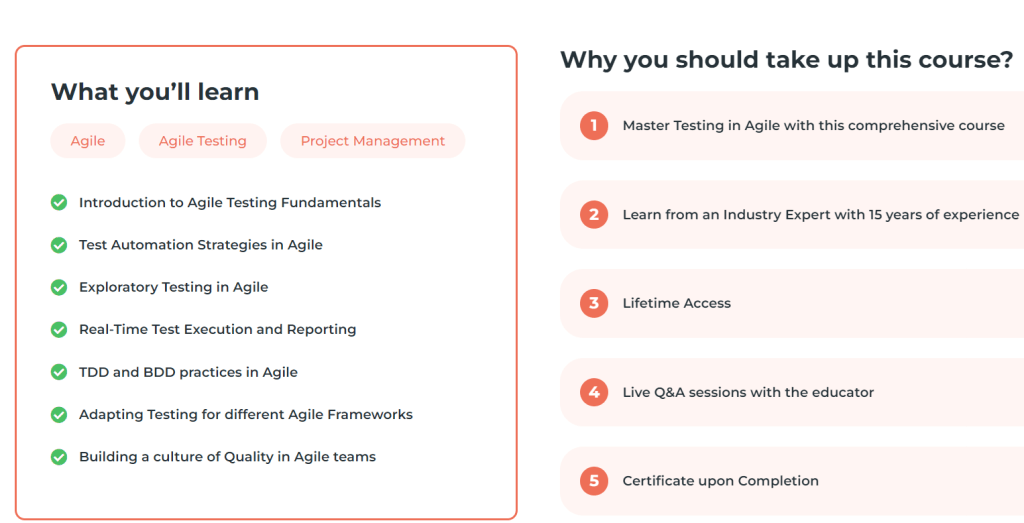
Course Launch – “Agile Quality Quest: Mastering Testing in Agile”

The efforts spent over the past few months have materialized today with the launch of my course on the The Test Tribe platform! πŸ€

I have carefully curated the contents for the latest practices in the industry, planned the flow of the course for basic to advanced learners and sprinkled practical examples, scenarios and anecdotes from my experience. πŸ“‹

We also have a #knowledgecheck at the end and you can earn a #certificate in Agile Testing at the end of the course. πŸ₯‰

If you are interested in learning about #agile #testing or planning to enhance your knowledge in these areas, checkout the course page for details. https://www.thetesttribe.com/courses/testing-in-agile/

As an Introductory Offer — Get a 25% Discount on the purchase if you apply my Discount Code:

NISHI25

(Limited Period Offer)

What a start for 2024!

Onwards and Upwards from here! πŸš€

Dispelling 11 Popular Myths About Low-Code Automation

Low-Code Automation stands out as a transformative powerhouse, redefining how organizations approach application development and workflow processes. This paradigm shift champions efficiency, offering a revolutionary approach to streamline operations and empower businesses to achieve remarkable results with significantly less coding effort. Yet, as Low-Code Automation garners widespread recognition, a series of persistent misconceptions shroud its true potential, impeding the realization of its comprehensive benefits.  

This article embarks on a journey to demystify and dispel these common myths, unraveling the intricacies of Low-Code Automation to reveal its genuine capabilities. As organizations increasingly seek agile and efficient solutions to meet the demands of a rapidly changing digital landscape, understanding the truths behind Low-Code Automation becomes paramount. By unraveling the misconceptions that surround this innovative approach, we aim to illuminate the path toward a more informed and confident adoption of Low-Code solutions. 

Our exploration encompasses 11 prevalent myths that have cast shadows on the transformative capabilities of Low-Code Automation. Through meticulous debunking, we aim to shed light on the true prowess of the Low-Code platform in fostering agility, accelerating development cycles, and enhancing collaboration between developers and non-technical stakeholders. By the end of this journey, it is our aspiration that readers gain a nuanced understanding of Low-Code Automation, unencumbered by common misperceptions, and appreciate its role as a catalyst for efficiency and innovation in the digital realm. 

What is Low-Code Automation 

Low-code automation is a modern approach to application development and business process automation that prioritizes simplicity and efficiency. It utilizes a visual development interface, allowing users to design applications by dragging and dropping pre-built components, minimizing the need for extensive manual coding. This approach accelerates development cycles and enables both professional developers and non-technical users to contribute to the process. 

Key features include a visual development environment, reduced coding requirements, and component reusability. Low-code platforms also emphasize cross-platform compatibility, enabling applications to function seamlessly across various devices. Integration capabilities are a cornerstone, facilitating easy connections with existing systems and data sources. 

One notable aspect of low-code automation is its empowerment of citizen developersβ€”individuals with domain expertise but limited coding skills. This democratization of development fosters collaboration and innovation within organizations. Additionally, low-code platforms often extend beyond application development to include tools for designing and automating workflows, contributing to business process optimization. 

Scalability is a key consideration in low-code solutions, designed to handle the increasing volume and complexity of applications and workflows as an organization grows. Overall, low-code automation plays a pivotal role in digital transformation initiatives, offering a more accessible and efficient way to develop software solutions, automate processes, and adapt swiftly to changing market demands. It represents a shift towards a culture of continuous improvement and innovation in application development and business operations. 

Unmasking 11 Common Myths About Low-Code Automation 

Low-Code Automation Is Only for Simple Applications 

One prevailing misconception is that low-code automation is limited to simple applications. In reality, low-code platforms are robust enough to handle complex business processes, including intricate workflow management and app integration. These platforms provide the flexibility needed for both simple and complex application development. 

Low-Code Implies No Coding at All (Low Code No Code) 

While “Low Code No Code” is a popular term associated with these platforms, it doesn’t mean zero coding. Low-code platforms still involve coding, but at a higher abstraction level, allowing developers to work more efficiently. They offer the benefit of reducing the amount of manual coding required, but coding expertise is still valuable for customization and complex scenarios. 

Low-Code Solutions Sacrifice Customization 

Some believe that opting for a low-code platform means sacrificing customization. In reality, these platforms are designed to strike a balance between speed and flexibility. They offer customization options for developers while empowering non-developers to contribute to the development process. 

Low-Code Is Only for Citizen Developers 

Low-code platforms are often associated with citizen developers, but this doesn’t mean they’re exclusively for non-professional developers. They empower both professional developers and business users, fostering collaboration and allowing organizations to leverage the expertise of different stakeholders.  

Low-Code Solutions Lack Scalability 

A common misconception is that low-code solutions lack scalability. In truth, many low-code platforms are designed to scale with the growing needs of businesses. They provide the infrastructure and tools to handle increased complexity and a higher volume of applications. 

Low-Code Is Only Suitable for Small Businesses 

Contrary to the belief that low-code is only suitable for small businesses, these platforms are scalable and adaptable to the needs of enterprises of all sizes. Large organizations benefit from the accelerated development cycles and the ability to respond quickly to changing market demands. 

Low-Code Solutions Compromise Security 

Security concerns often arise when discussing low-code solutions. However, reputable low-code platforms prioritize security features, providing built-in measures to safeguard applications. As with any technology, it’s crucial to implement security best practices during development. 

Low-Code Automation Is a Passing Trend 

Some skeptics view low-code automation as a passing trend. On the contrary, it is a transformative approach that continues to gain momentum. The agility and efficiency offered by low-code platforms make them a long-term solution for organizations aiming to stay competitive in the digital landscape. 

Low-Code Platforms are One-Size-Fits-All 

Another misconception is that low-code platforms are rigid and one-size-fits-all. In reality, these platforms are designed to be adaptable, offering a range of tools and features that can be customized to suit specific business requirements and industries. 

Low-Code Is Only for Creating Apps 

While low-code platforms are excellent for app development, they are not limited to it. Many platforms support end-to-end digital automation platforms, allowing organizations to streamline various processes beyond app creation, including low code workflow automation software and data integration. 

Low-Code Solutions Are Cost-Prohibitive 

There’s a misconception that implementing low-code solutions is cost-prohibitive. In fact, low-code platforms can lead to cost savings by reducing development time and enabling organizations to allocate resources more efficiently. The initial investment is often outweighed by the long-term benefits of increased productivity and agility. 

Conclusion 

As organizations navigate the digital landscape, debunking these common misconceptions surrounding Low-Code Automation is crucial. Understanding the true capabilities of low-code platforms – from scalability and security to customization and versatility – empowers businesses to make informed decisions. Embracing the power of low-code automation can propel organizations towards a more efficient, collaborative, and innovative future.Β 

<This is a guest post by Yoroflow>
I am speaking at DevOpsCon Singapore 2023

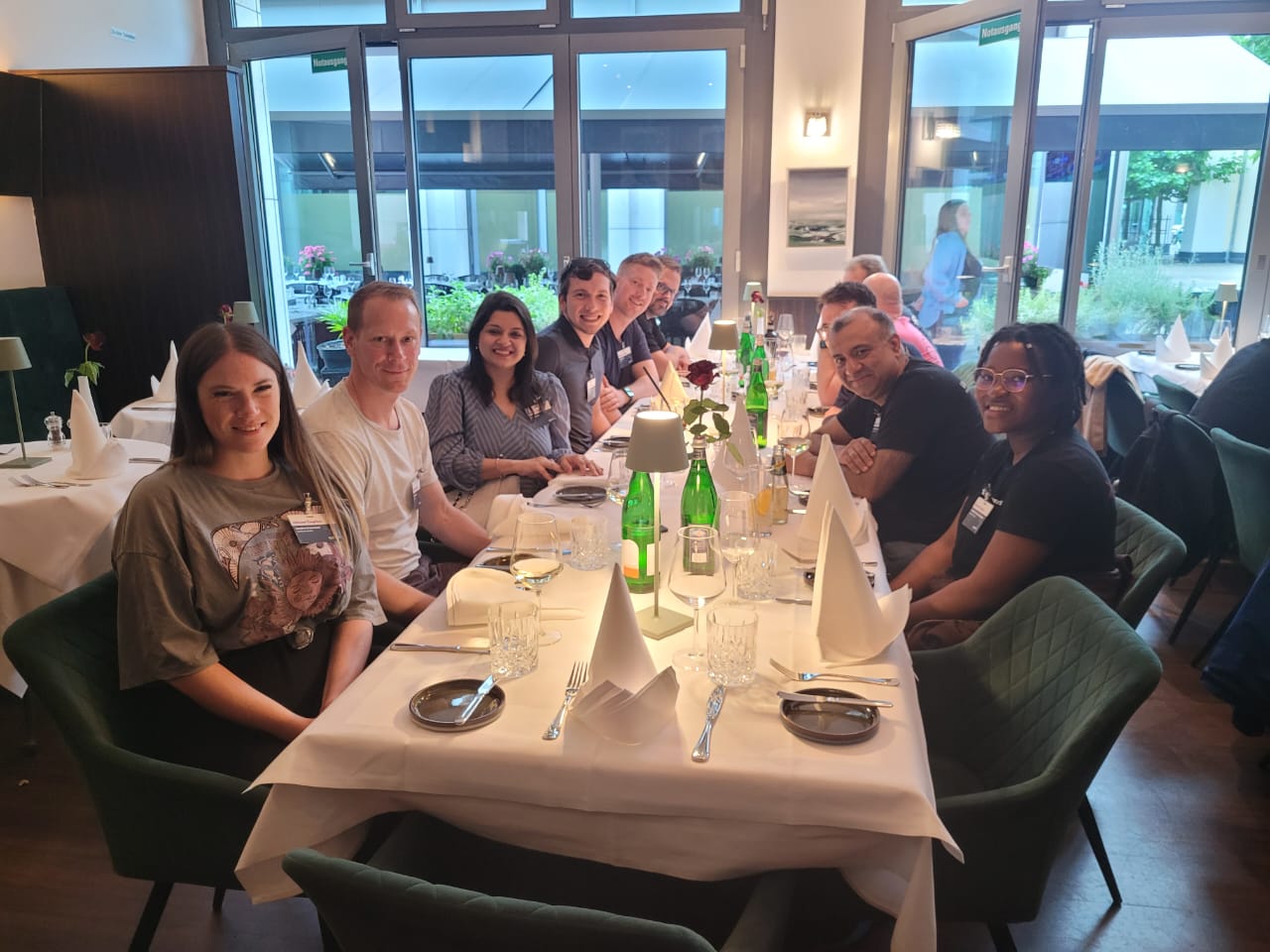
I am super excited to announce that I will be a part of the esteemed lineup of speakers at this mega event DevOpsCon Singapore this year! DevOpsCon is a much coveted event in the industry and I am thrilled about this incredible opportunity.

This conference is not just about technology; it’s a meeting of minds, an exchange of ideas, and an opportunity to connect with the leaders and innovators in the DevOps community. I’m honored to be a part of this event and to contribute to the dialogue surrounding the future of our industry.
I will speak on Testing in the fast paced software delivery climate and some changes in mindset as well as culture required to achieve the smooth flow of continuous delivery.

It feels great to be a part of such an amazing speaker lineup, consisting of some great speakers from around the globe!

πŸ“† Event Details

πŸ“ DevOpsCon Singapore

πŸ—“οΈ 11-14th Dec 2023

πŸ”— Check out the Program: [https://devopscon.io/singapore/program-singapore/]

What am I speaking about?

In the dynamic realm of software development, the race to market is ever-present, leaving no stage untouched, including software testing. Testers find themselves seeking priorities, collaboration, and transparency from external sources while reimagining processes, streamlining lightweight documentation, and carving their unique path in the testing world. Let’s come together to explore how we can plan, strategize, and conduct software testing that aligns with the fast pace of software delivery while upholding the quality standards demanded by the market.

In this invigorating talk, I will discuss ways to optimize software testing to match the rapid tempo of software delivery. By identifying antipatterns to avoid and key priorities in terms of processes, communication, collaboration, and automation, we will navigate the challenges of testing under the pressure of speed to market. Expect to discover strategies for adapting software test planning and strategy, reevaluating test prioritization, optimizing test processes, and creating lightweight documentation. Additionally, we’ll emphasize the crucial role of cross-functional communication and collaboration in Agile software delivery.

Here are the details of my talk on the Conference Website:

https://devopscon.io/continuous-delivery-automation/testing-for-speed-to-market/

This event is going be action-packed with 4 full days of sessions, workshops, networking and so much more! Check out the details on the website!

See ya there!

Cheers,

Nishi

A Typical Day of a Tester in an Agile Pod : Guest Blog

I am glad to share that a guest post I wrote for The Test Tribe website has now been published.

I was approached by the team to contribute to their valuable and rich content library where they publish articles, how to’s, insights on testing topics, case studies and upskilling posts for their vast testing community.

I wrote about the life of a tester in an Agile Pod and how it might be different from a traditional tester. We follow a typical day of Ted, our protagonist who is a tester in an agile pod team. We see how he spends his day working with his developers, product owner and other stakeholders along with balancing his duties as a pod leader. Read the article here to follow along on his exciting journey–>

I am happy to be associated with The Test Tribe community and the great work they are doing!

Grateful for this opportunity and always looking ahead for more! πŸ™‚

Cheers

Nishi

I am speaking at TestFlix!

I am speaking at TestFlix, 2023 – World’sΒ BiggestΒ Virtual Software Testing Conference with 50+ other global speakers, 15+ themes and 8,000 + Global registrations!

The event is slated to take place virtually on 23 and 24 September 2023, which will be 2 days filled with learning, fun, and meeting new people worldwide!

Register now to hear me talk at TestFlix.

My Talk is titled “Keep The Wheels of Continuous Testing in Motion”

The event is Free to attend. Register now atΒ bit.ly/testflix

Featured in a “Getting To Know You” Session at work

It is a great feeling to be acknowledged and appreciated at your workplace, not just for what you do at work, but also for everything you bring along – your passions, your talents and interests beyond your desk – For Being You!

It was an honor to be featured in the ‘Getting to Know You’ session by my CSS Org at Alteryx amongst top leaders and executives and by such a dynamic and talented host, who is an @Alteryx veteran!

The session was focused on my personal as well as professional life, my career journey, my background and my interests work. We talked about my passion for trainings and learning, the conferences I speak at and my blog. The twins got a special mention and loads of adorable comments too! πŸ™‚

It went great and we had so much fun just chatting, with loads of fun questions by the hosts as well as the audience!

It was immensely gratifying and humbling to see how interested people are in my story and how many great words of appreciation came back to me after the talk!

Though the recording is for the internal folks, here is a glimpse of the end-

As always, I am grateful for each opportunity that comes my way to connect with such wonderful people and be given a platform like this to share my story. Thanks @Alteryx!

Cheers!

Nishi

A Guide to Software Delivery Plan: A Plan for Easy Deployment

Welcome to the world of software development, where a well-crafted software delivery plan holds the key to seamless project deployment. In this rapidly advancing landscape, having a structured approach to delivering software solutions is crucial for success. A software delivery plan acts as a guiding beacon, ensuring that development teams navigate the complexities of the project with clarity and efficiency. From defining the project scope to allocating resources and setting realistic timelines, a robust delivery plan sets the stage for a smooth and successful journey towards delivering a high-quality software product to users. Working in the technology industry offers an exciting opportunity to shape the future through the strategic planning and efficient delivery of software solutions that revolutionize how we live, work, and interact. So, let’s delve into the intricacies of a software delivery plan and unlock the secrets to achieving project excellence.

What is a Software Delivery Plan?

A software program delivery plan is a comprehensive roadmap that outlines the diverse levels worried within the software improvement and deployment technique. It serves as a guiding light for developers, project managers, and stakeholders, offering them a clear vision of the obligations to hand and the timeline for their final touch. A properly articulated plan allows for placing realistic expectations, handling dangers, and making sure of transparency throughout the project lifecycle.

Importance of Software Delivery Project Plan

Having a well-thought-out project plan is paramount to the success of any endeavour. It serves as a roadmap, guiding teams via the various levels of an assignment and making sure an established method to achieving objectives. A project plan clarifies the project’s scope, defining what wishes to be executed and putting clean desires for all involved. This clarity eliminates ambiguity, reduces misunderstandings, and fosters effective verbal exchange among team individuals and stakeholders.

Moreover, a project plan helps allocate resources efficiently, ensuring that time, manpower, and budget are utilized optimally. It allows for the identification of potential risks and challenges, enabling teams to proactively devise contingency strategies. As a result, the likelihood of project delays or failures decreases significantly.

By having a comprehensive project plan in place, teams can stay focused, organized, and on track throughout the project’s lifecycle. It empowers them to monitor progress, assess achievements, and make necessary adjustments as circumstances change. Ultimately, the project plan acts as a foundation for success, providing a structured framework for teams to deliver their best work and attain their project goals with confidence.

Why Plan and Deliver Projects?

Effective project planning and delivery are vital for successful outcomes. By following a structured approach, projects can stay on track, minimize risks, and achieve desired objectives. A well-executed project enhances productivity, fosters collaboration, and ensures efficient resource allocation.

What is Project Planning and Delivery?

Project planning involves defining project goals, scope, timelines, and resource requirements. It lays the groundwork for the project’s execution. Project delivery refers to the implementation phase, where the planned activities are executed, monitored, and controlled to reach the project’s desired endpoint.

Key Components of a Software Delivery Plan

1. Project Scope and Objectives:

The first step in crafting a successful software delivery plan is defining the project’s scope and objectives. Understanding the desired outcomes and the problem the software aims to solve is crucial for setting the right direction and aligning all team members towards a common goal.

2. Task Breakdown and Timeline:

A detailed task breakdown is essential for effective project management. Divide the project into smaller, manageable tasks and assign them to respective team members. Alongside task allocation, establish realistic timelines to avoid bottlenecks and delays.

3. Resource Allocation:

Allocating the right resources to specific tasks is vital for maintaining efficiency. Identify the skills and expertise required for each task and ensure that team members are appropriately assigned to capitalize on their strengths.

4. Quality Assurance and Testing:

To ensure a flawless end product, a robust quality assurance and testing process must be incorporated into the software delivery plan. Regular testing and debugging should be scheduled to catch and rectify any issues promptly.

5. Contingency Plan:

Every software project comes with uncertainties. It’s essential to have a contingency plan in place to address unexpected challenges that may arise during development. This will help mitigate risks and ensure a smooth continuation of the project.

6. The Significance of Collaboration:

A successful software delivery plan relies heavily on effective collaboration among team members and stakeholders. Regular meetings and open communication channels facilitate a shared understanding of the project’s progress, allowing for timely adjustments and decision-making.

The Process of Planning and Delivering a Project

The process of planning and delivering a project consists of 5 main stages as follows:

Read More »