4 ways Task boards can help Agile teams

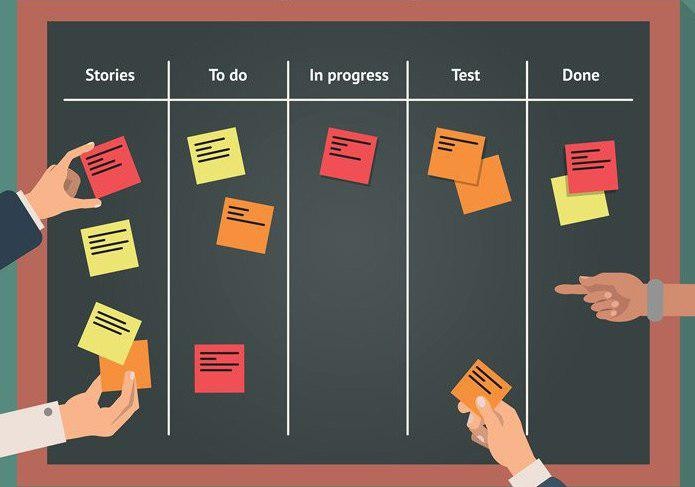
A task board is a physical or virtual chart containing all current team tasks at hand and their progress over time. For an agile team, all sprint tasks can be represented on the task board, and their flow over various stages can be tracked in the daily standup meeting. Task boards are a great way to visually representing pieces of work and their status.

Besides helping to organize and track work and being the focal point of the iteration and relevant meetings, task boards can have numerous more benefits for an agile team. In my article published @Gurock, I have discussed four additional ways in which Task boards can help an agile team-> https://blog.gurock.com/agile-task-boards/

Different styles of Task boards

Main points discussed–>

  • Customize the process
  • Visualize their Scrum
  • Improve Commitment and visibility
  • Facilitate Team interactions

Click here to read more ->

My talk @Playscrum Meetup by Leanpitch- 20 July’19

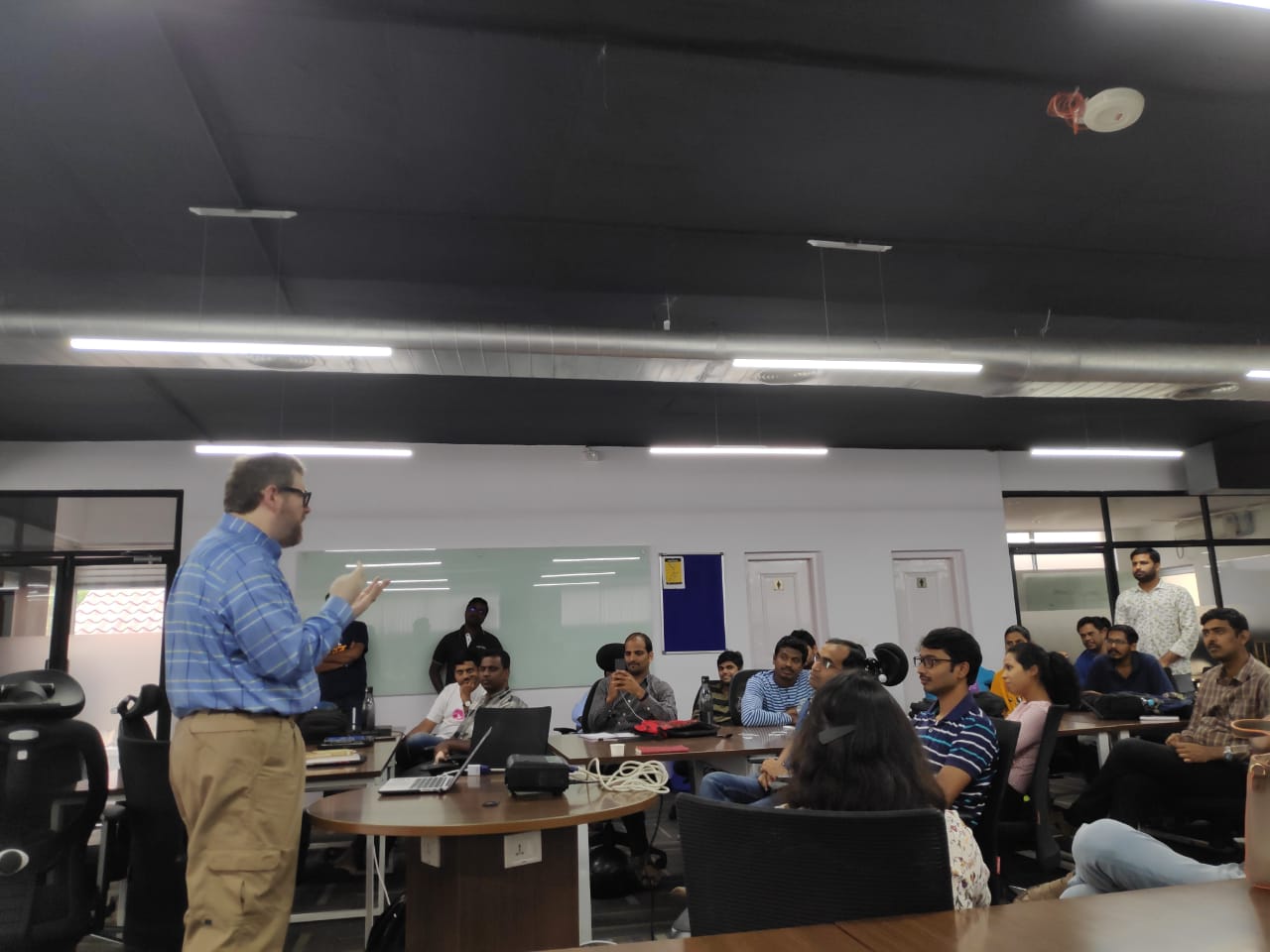
I was invited to present a talk at this month’s @Playscrum Meetup at Bangalore, hosted by @Leanpitch technologies on 20th July

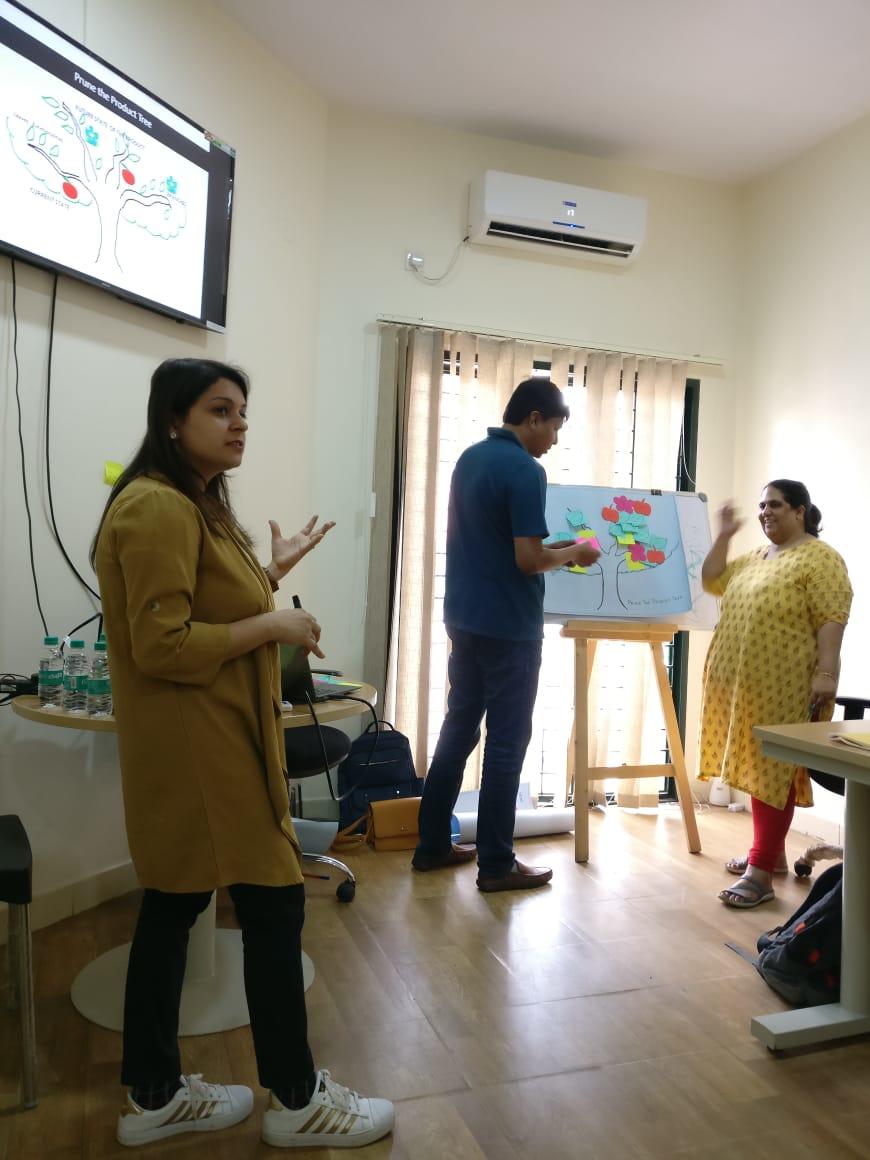
It was a small event with a great set of delegates who gathered to hear me talk about Gamification in Agile teams. Agile teams rely heavily on communication and collaboration among all team members. In this session, I talked about about ‘Innovation Games’ which help make all agile meetings and ceremonies shorter, crisper, more visual and open involving all team members.

It was an interactive session wherein we played many Innovation Games with the audience volunteers, which was a big hit with everyone. There was good participation, many great ideas and discussions in the group. Overall a good experience at my first Playscrum meetup in Bangalore. Would love to collaborate again soon!

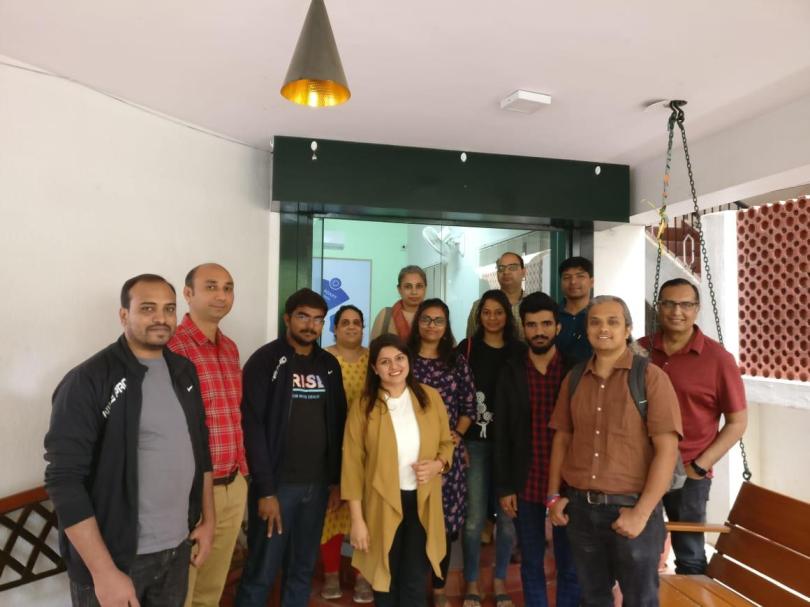
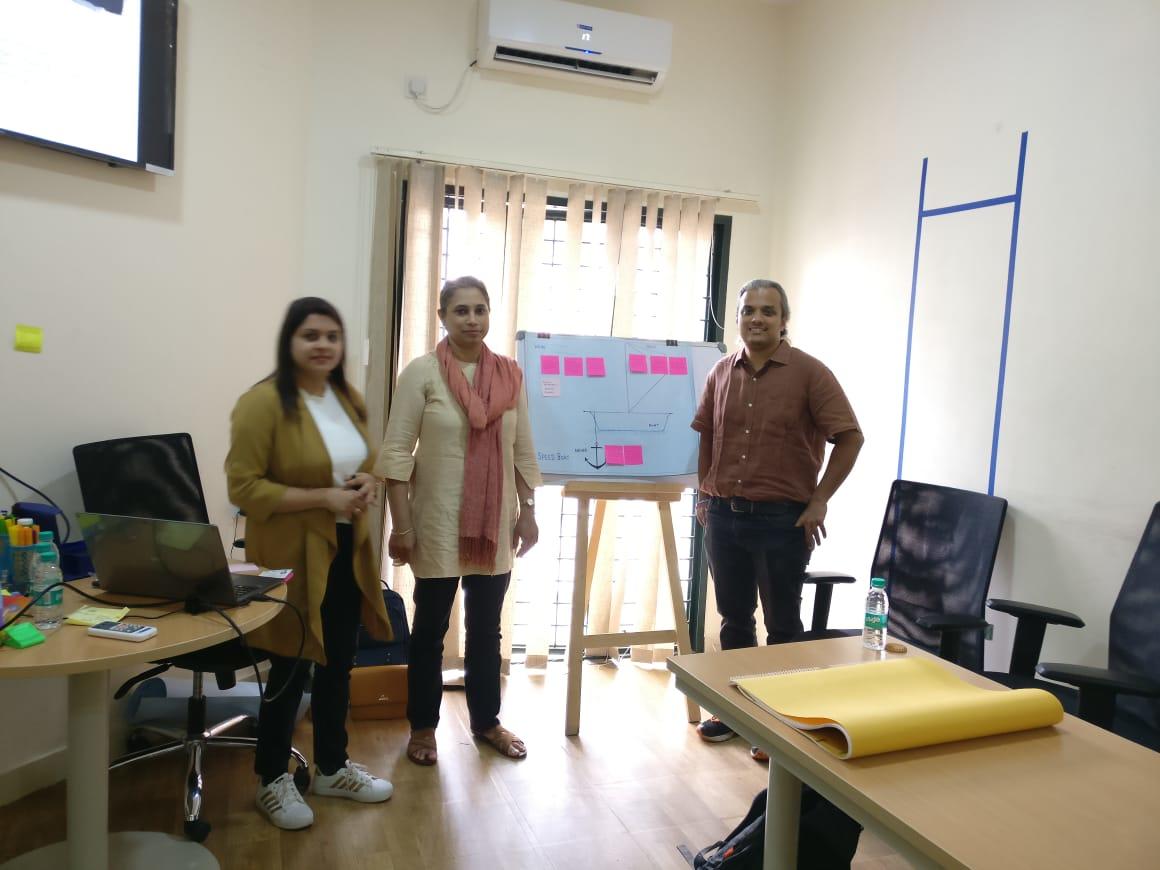
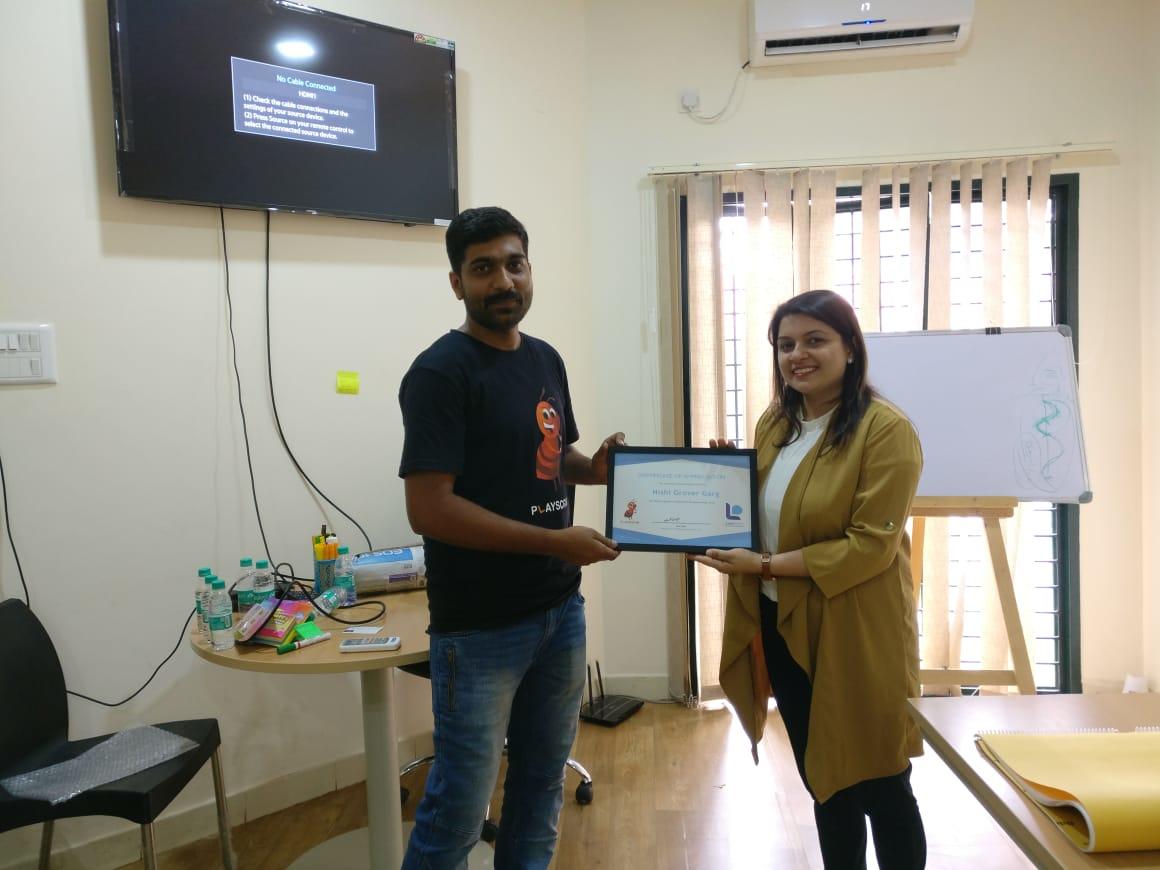
Here is a glimpse of the event-

https://www.meetup.com/PlayScrum-Bangalore/events/262475507/

‘Co-opetetion’ Among Agile Team Members

Agile focuses on motivated individuals acting together toward a common goal. Consequently, agile needs people to collaborate and requires complete transparency, communication, and cooperation, within and across teams. But at the same time, individuals instinctively try to outperform others in order to stand out in their teams.

This transition from individual responsibility to collective ownership is often the hardest part of the cultural shift that teams face when adopting agile. I have looked at ways to encourage healthy competition, more cooperation, and a sense of community among agile teammates in my latest article for Gurock – TestRail blog, the main points being-

  • Showing People the part they played
  • Have Co-workers appreciate each other
  • Measuring personal growth
  • Motivating with extra initiatives
  • Encouraging Collaboration and healthy competetion

Check out the complete article at – https://blog.gurock.com/agile-co-opetiton/ to find ways to encourage healthy competition and better team dynamics in your agile teams!

My Talk & Sahi Pro Booth @World Test Engineering Summit

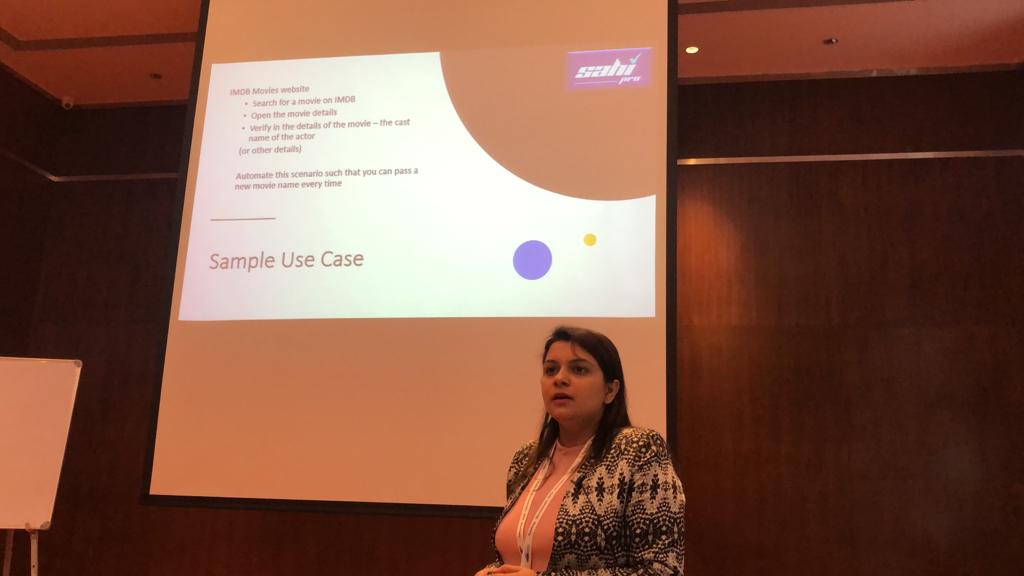
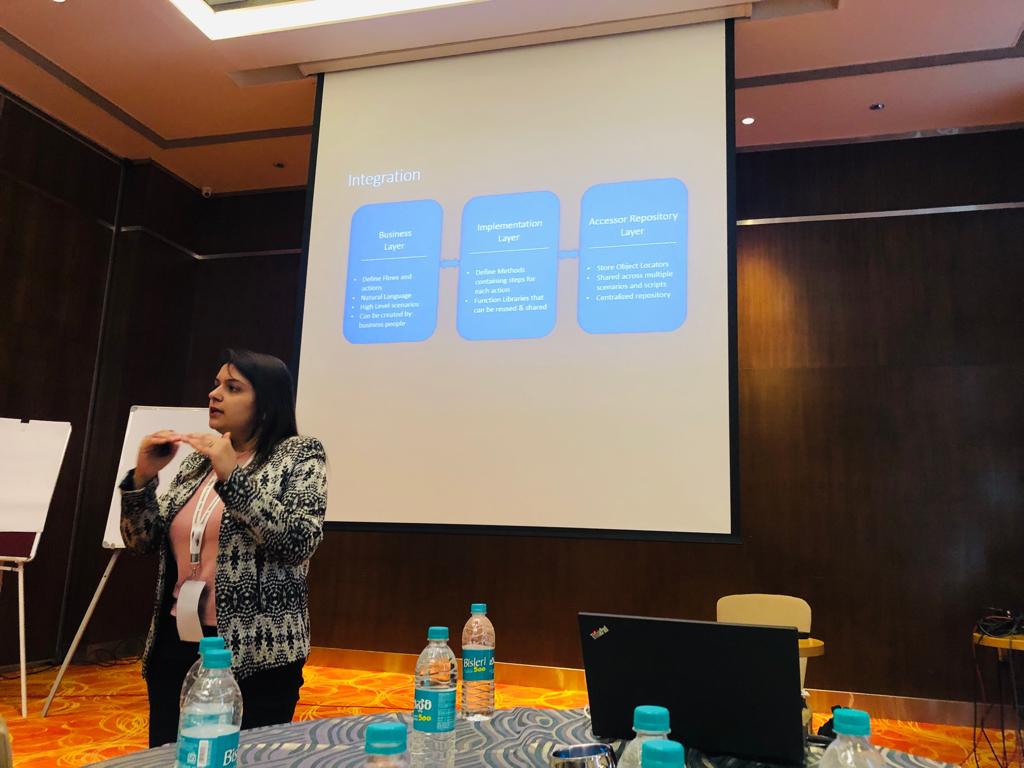
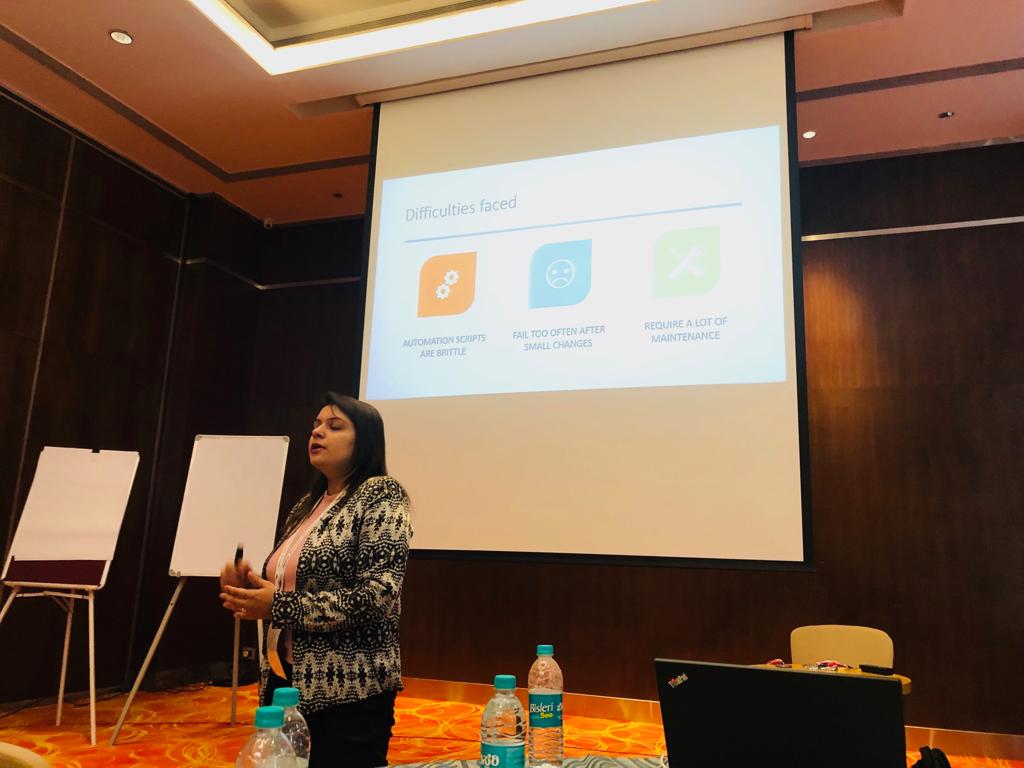
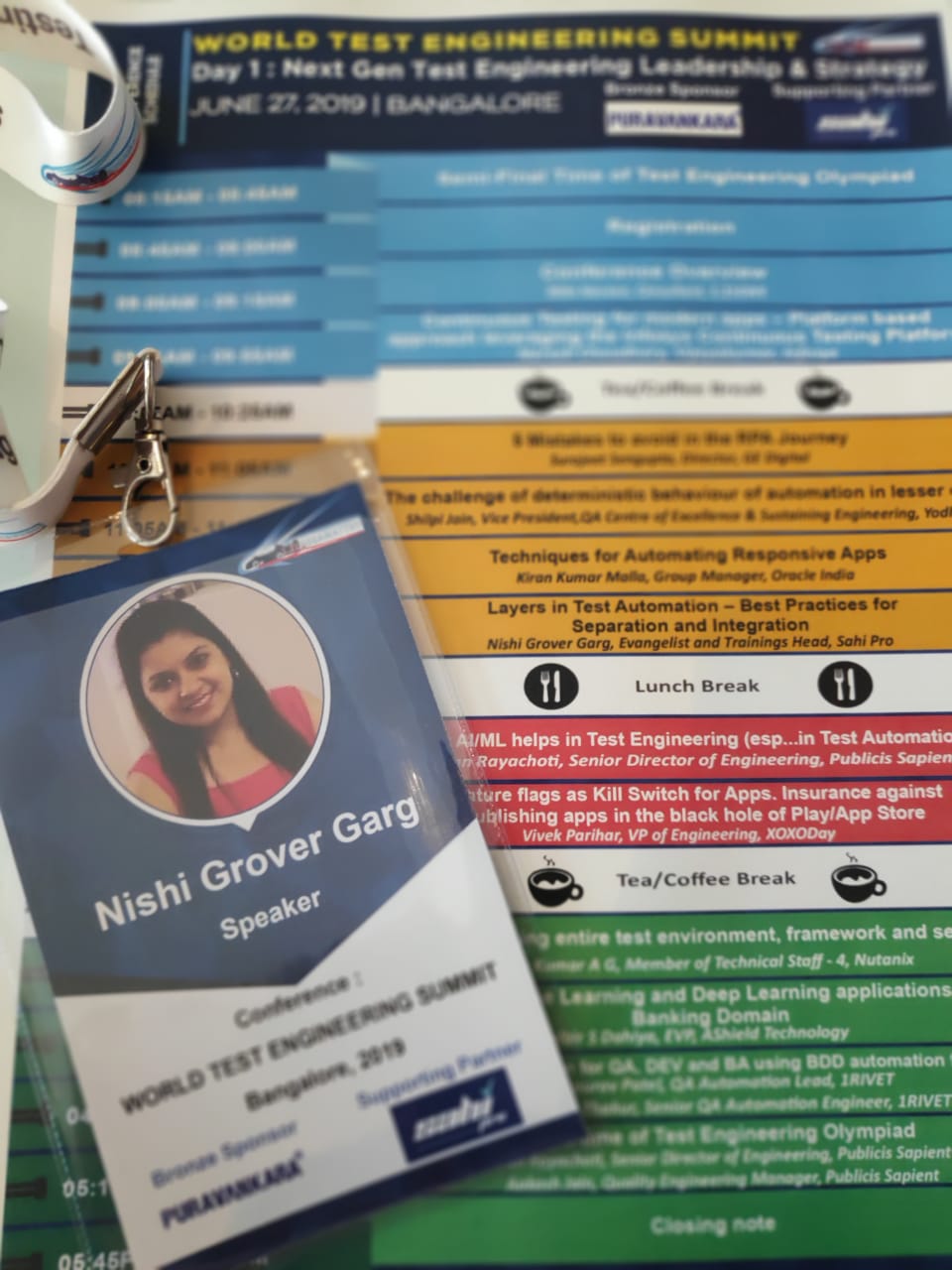
I got a chance to present a talk at the World Test Engineering Summit organised by 1.21GWS @ Bangalore last week and it sure was a great opportunity! My talk title was

“Layers of Test Automation” wherein I presented about test automation framework creation and best practices on creating a sustainable framework. The talk was appreciated and I had great personal feedback and chats with many delegates.

It was amazing to share the stage with renowned speakers like Mrs. Renu Rajini, Mr. Mostafa Awadh from Egypt, Shivaji Raju , Sanjay Kumar and many more.

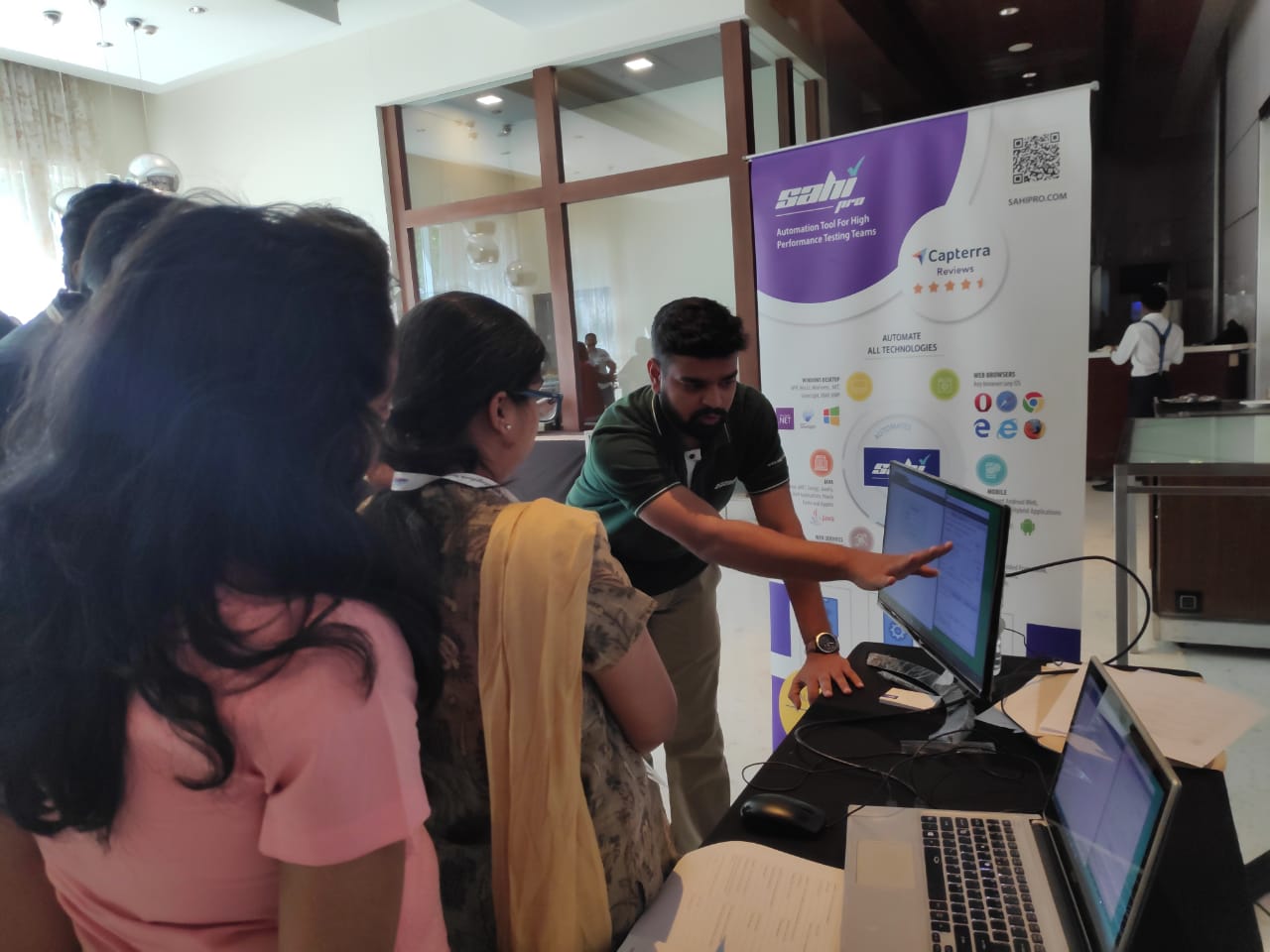
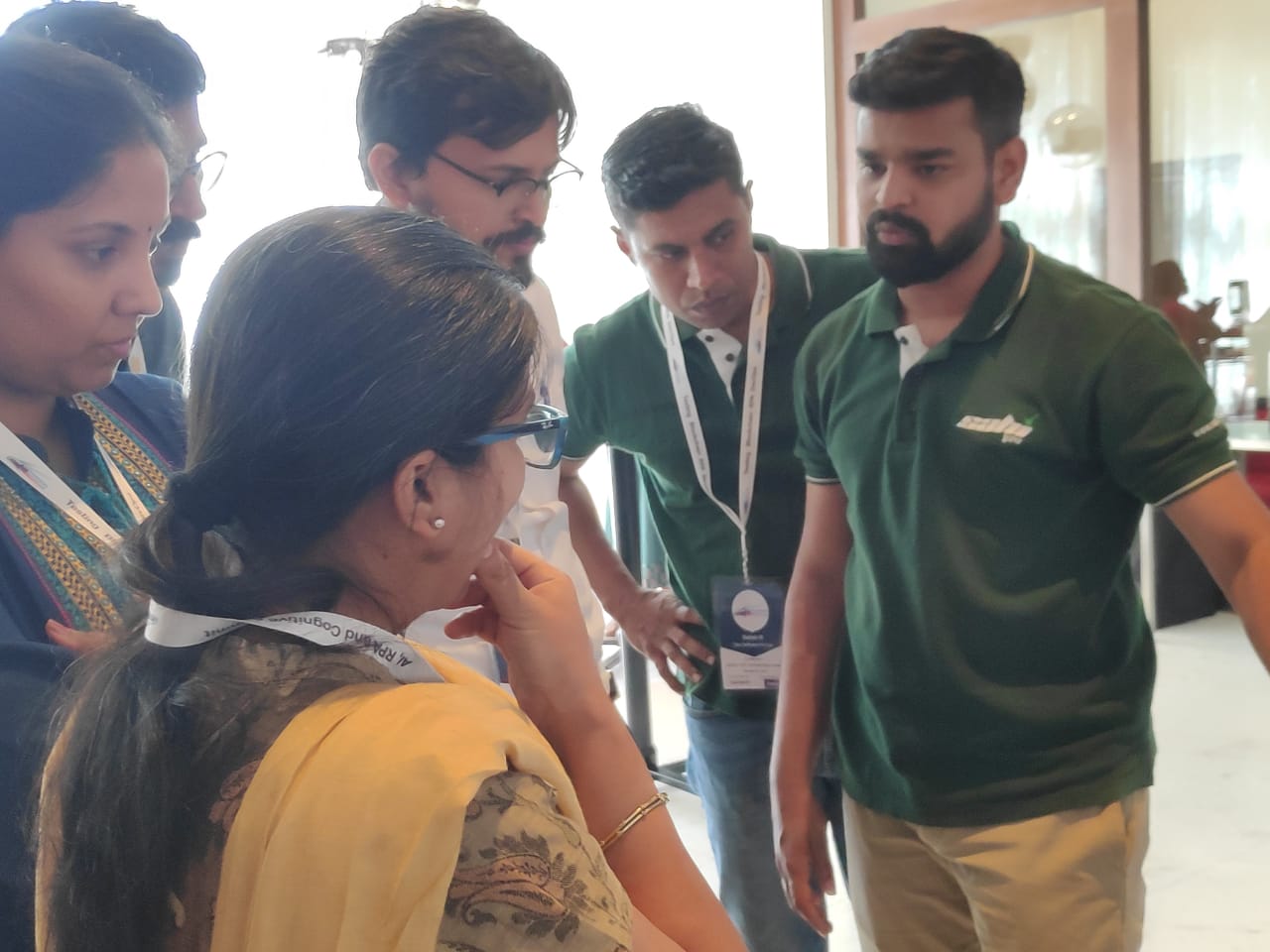
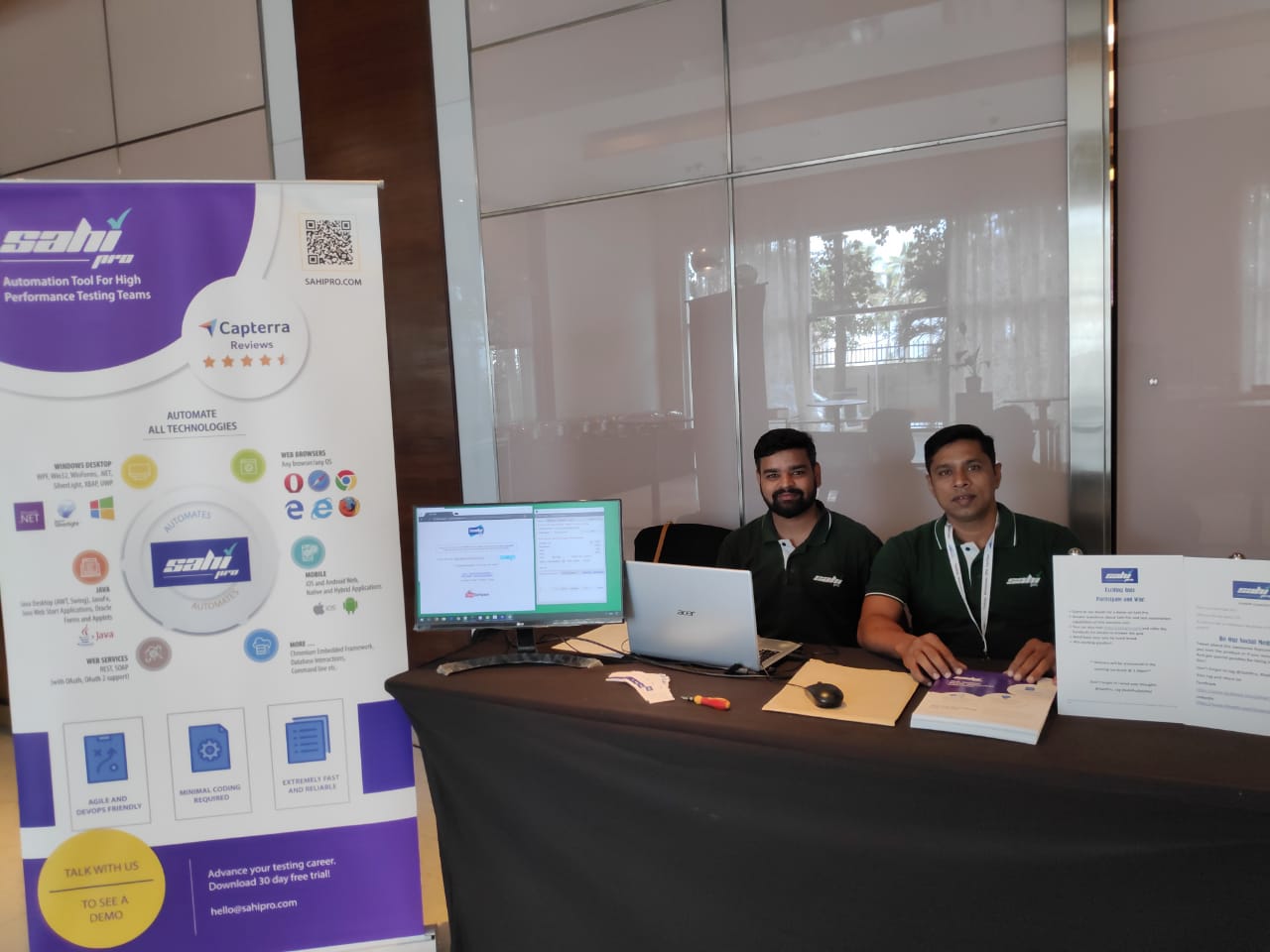
My team at Sahi Pro also decided to partner with the event and setup a demo booth, where my colleagues Pratik and Satish showcased an informative demo of Sahi Pro tool and all of its awesome capabilities. The Sahi Pro booth was a hit, appreciated by the inquisitive participants. We also held a Quiz for people visiting the booth, and the winners were awarded with fun goodies at the end of the day!

Here is a glimpse into the event-

My Talk —

Sahi Pro Booth–

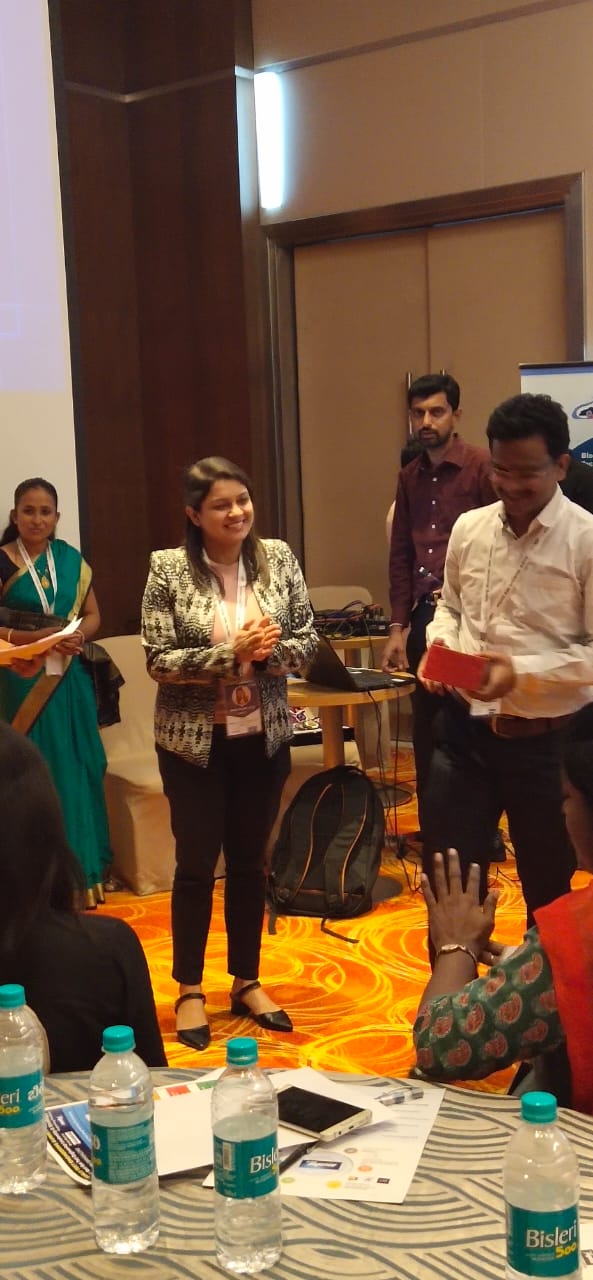
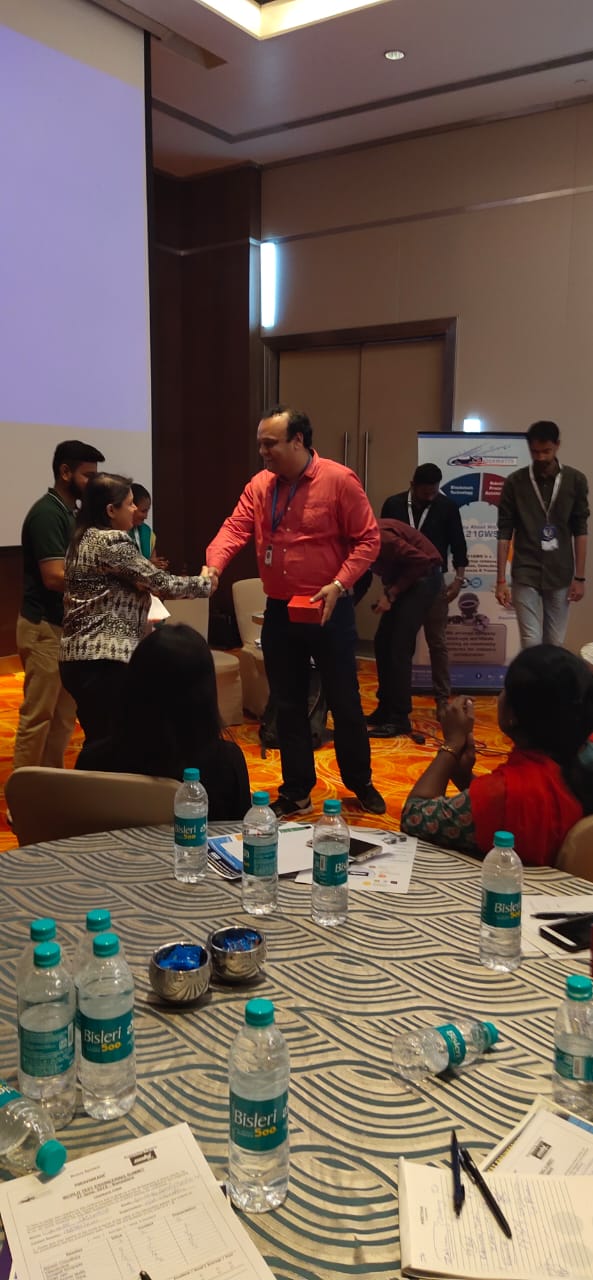
Felicitation for the Quiz Winners and honoring the organizer Nitin Naveen-

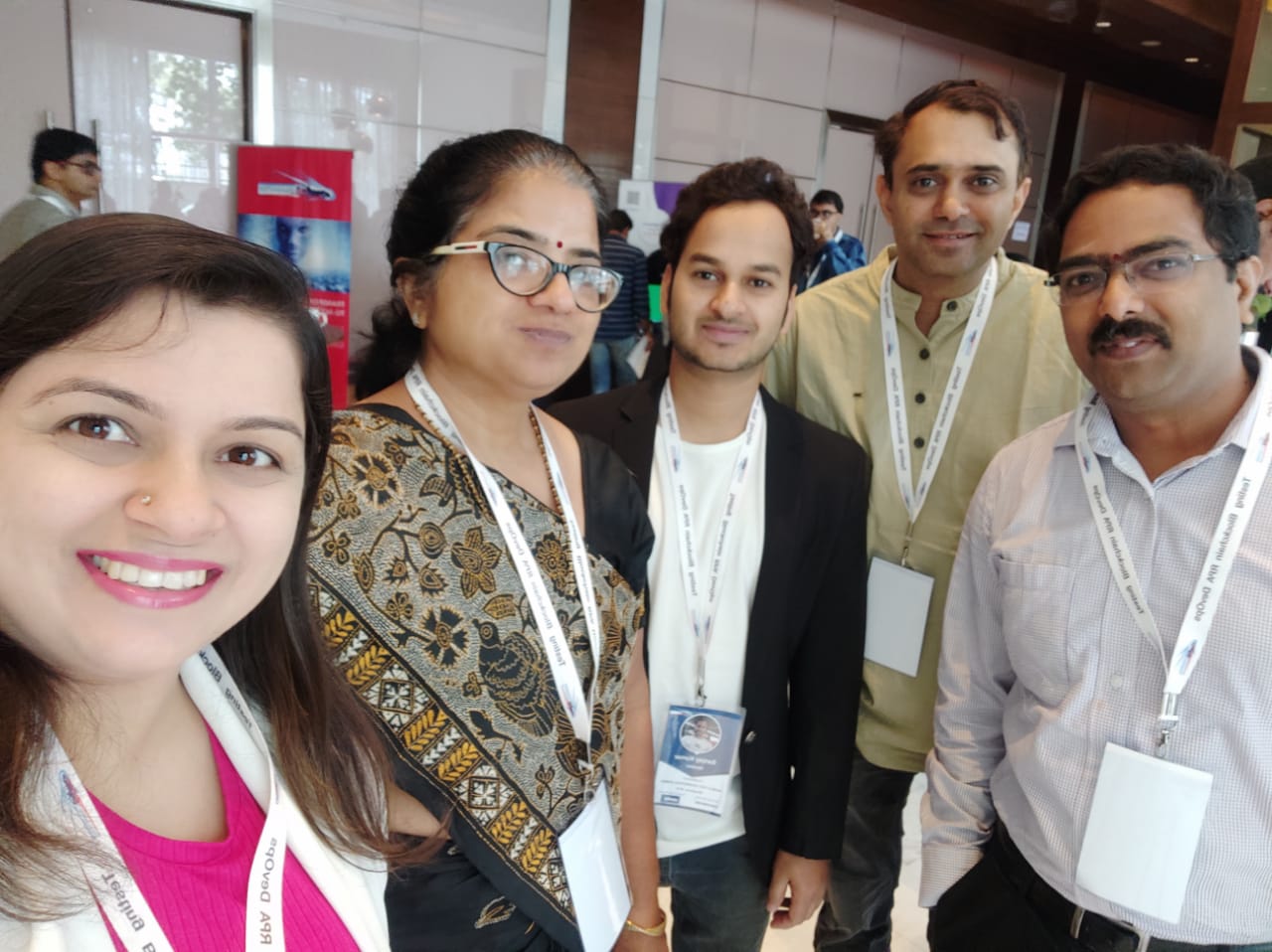
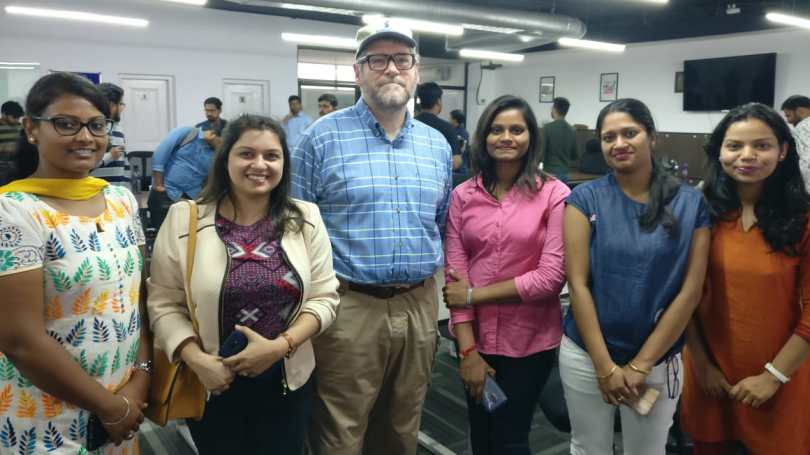
So much fun and networking–

Overall this was a great experience! We would love to collaborate with 1.21GWS again in the upcoming events!

Cheers!

Meeting James Bach at The Test Tribe Meetup @Bangalore

I got the opportunity to meet and listen to the test expert we all look up to – Mr. @James Bach at @The Test Tribe Community meetup organized at Bangalore on 23 June 2019.

It was a great talk by him on the topic ‘Testing vs Checking’ where he discussed the finer nuances of the testing craft and how automated checks are more explicit and fixed than the human brain and the thought process of a real tester.

Apart from the great content, I also observed and loved the presentation style, the ingenuity, the spontaneity, and the interspersed humor! His true passion for testing and the sheer amount of experience shines through each spoken word. We learn a lot just from being in the same room with such experts.

I tried my hands at #sketchnotes for the first time, trying to capture the gist of his talk.

Here is a glimpse into the event-

It sure was an awesome experience and a day well spent! I look forward to meeting him again and getting an opportunity to learn from him!

Cheers!

I am speaking at the ‘World Test Engineering Summit’, Bangalore

I am pleased to announce that I will be speaking at the upcoming ‘World Test Engineering Summit’ being organised by 1.21GWs at Bangalore. It sure is an impressive lineup of speakers and I am glad to be a part of it! Check out the details of the event here-

https://1point21gws.com/testingsummit/bangalore/testengineering/

I will be speaking on –

“Layers in Test Automation – Best Practices for Separation and Integration”

About my topic –

“Often a testing team consists of a mix of subject matter experts, some manual testers and testers with some automation experience. Writing tests in the language of the business allows all stake holders to participate and derive value out of the automation process. If you are a nervous beginner or an expert at test automation, you need to know and understand the layers of test automation and how to separate the code from the test. Let us discuss the best approaches and practices for creation of a robust automation framework with correct separation as well integration of these layers. We will also see a demo on how to implement this with a case study!“

Also, Sahi Pro is partnering with the event and setting up a demo booth at the event! So, we’ll have our team there to showcase the capabilities of the unique tool and answer all questions.

Be sure to stop by the booth to chat and catch a demo!

Looking forward to a wonderful event! 🙂

Four Questions to ask yourself when planning Test Automation

Test automation poses its own challenges different from manual testing. Teams struggle to get the most out of their test automation due to many hurdles along the way.

Good planning can act as a solid foundation for your test automation project and help you fully reap the benefits. Consequently, there are many things to consider and discuss prior to jumping into test automation to ensure you are following the right path.

In my article published at Gurock TestRail Blog, I have discussed four main questions to ask yourself before starting with test automation-

  1. What is your team’s goal for test automation?
  2. What about implementation?
  3. What is your execution strategy?
  4. Who will focus on maintenance?

Read the full article here to find more on each of these questions and how these help to finalize on a test automation strategy which will help lead your team to success!

Please give this article a read and share your thoughts!

Cheers

Nishi

5 Mistakes to Avoid When Adopting a New Tool

We are all forever on the lookout for better and faster ways to achieve our quality goals, and adding new tools to our suite often seems like a good way to do that. However, introducing a new tool to an already working environment may be tricky and could require some special considerations.

In my latest article for @Gurock website, I take a look at five common mistakes teams make when adopting a new tool, so we can be sure to avoid them. My write-up has been published at TestRail blog here -> https://blog.gurock.com/5-mistakes-tool-adoption/

The main mistakes in tool adoption and their prevention steps that I have discussed in this article are:

  • Jumping in without a POC
  • Not testing the tool in a Pilot Project
  • Performing the wrong Profit analysis
  • Rolling Out adoption all at once
  • Neglecting Continuous Learning

Read the full article and let me know your thoughts!

Using Mind Maps for Agile Test Planning

Mind maps are a creative way of gathering ideas around a central theme and categorizing them in concrete branches. Mind maps can be useful for both personal and professional life as an organization and visualization technique. They’re descriptive, easy and even fun.

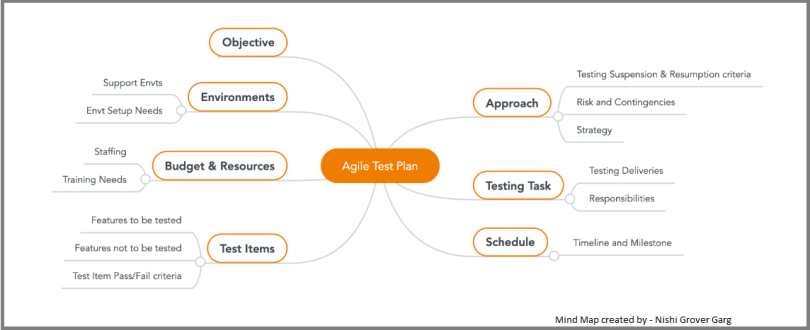
In my latest post for Gurock blog, I showcase the usage of mind maps as a technique for test planning and test design. This tool’s capabilities make your documentation leaner and ideas more visual, which benefits the whole agile team.
https://blog.gurock.com/agile-mind-map/

Be it test planning in an agile team which needs entire team’s insights and collaboration, or categorization of product features, test areas and backlog, Mindmaps can be used for all aspects and phases of the project.

Testers can generate their test ideas and have them categorized in a mind map around the central theme of the feature. The visual nature of a mind map helps them find more scenarios, see which parts are more heavily tested, and focus on main areas or branches. Once done, they can have other stakeholders take a look at it and get their opinions. This fosters brainstorming together and gathers the maximum number of ideas from the entire team.

Find useful tips to create your own mindmaps, as well as some samples for your reference in agile test designing as well as test planning. Read the complete article here ->
https://blog.gurock.com/agile-mind-map/

To learn more about the basics of Mind Mapping and its benefits, read this comprehensive guide that will uncover your mind’s potential and let it soar on the wings of creativity. Mind maps offer an incredibly flexible, accessible, and applicable way to memorize new information. You should try this effective tool for organizing ideas if improving your productivity and the quality of your academic achievements is something you’re interested in.

Share your thoughts!

Making the case for Usability Testing in Agile

My first experience with usability testing was on an agile team where the product we were building was being designed with the help of an in-house usability expert. He helped design the user interface (UI) of the application and conduct usability study on the beta version of the software to determine the ease of use of the application.

Though the experience was limited in terms of the interaction we had with the user representatives and the sessions conducted, the feedback we received opened up lots of new avenues for the tester in me around the learnability, understandability and attractiveness of the application I was testing.

Usability has matured a lot over the years. It’s now an essential software characteristic in today’s web and mobile applications. In my article published at the TestRail blog, I discuss ways of performing Usability tests and developing a mindset for Usability in an agile context.

https://blog.gurock.com/usability-testing-agile-projects/

We also discuss about Usability Study , how to set it up and achieve maximum benefits from it.

To read the complete article — (opens in a new tab)”>Click here –>