New Country. New Life. Same Drive for Growth. πŸŒπŸš€

A Life Update!


A few weeks ago, I took one of the biggest leaps of my lifeβ€”I moved to a new country.

Hello, Netherlands!

This journey has been nothing short of transformative. From navigating unfamiliar streets to trying to learning a new language, looking for a home, and finding my rhythm in a completely new environmentβ€”every day continues to bring its own set of challenges and lessons.

But with every challenge comes growth. 🌱

Moving to a new country isn’t just about geographyβ€”it’s about rediscovering yourself, stepping out of your comfort zone, and embracing the unknown. it is not easy to wrap up a life you’ve known forever and built for yourself, and just leave with a few suitcases and heaps of memories – in search for something that is calling for you from hundreds of miles away…. But when were we ever made for ‘easy’ things? After all —

“A ship in harbor is safe, but that is not what ships are built for.” – John A. Shedd

It’s about giving up the comfort and luxury of every ‘known’ , and starting from ground up.

It’s all about learning to adapt, staying resilient, and building connections that make the transition easier.

It is about being Agile!

As an experienced Agile professional with a passion for driving team success, collaboration, and continuous improvement, I’m now actively looking for my next career opportunity in this incredible city.

πŸ“’ To my fellow #Agile practitioners, leaders, scrum masters and #QAprofessionals in #Amsterdam:
If you’re part of this vibrant tech and Agile ecosystem, let’s connect! I’m eager to bring my experience in Agile coaching, leadership, and transformation to a team that values collaboration, innovation, and growth.

This is more than just a professional journeyβ€”it’s a personal one. And I’d love to connect with people who share similar values and can guide, mentor, or simply share a coffee and a conversation. β˜•

To anyone else considering taking a big step like thisβ€”trust the process. It’s not easy, but it’s worth it.

Here’s to new beginnings, endless possibilities, and the courage to create a life you truly love!🌟

Cheers,

Nishi

Confronting Technical Debt: Making the Case for Investment in Long-Term Quality

Technical debt is like the credit card debt of the software world – easy to accumulate but expensive to pay off if not managed. Technical debt occurs when shortcuts are taken during the development process, often to meet tight deadlines or push out new features quickly. With agile’s fast pace, it is easy to accumulate technical debt, justifying it as the need of the hour and need of the market. But just like credit card debt, the interest from technical debt compounds over time, making future changes harder, more expensive and riskier. The question many development teams face is how to convince the leadership to invest in resolving technical debt, even when everything seems to be working fine on the surface.

I recently wrote this article for the devm.io platform where I explore effective strategies for communicating the hidden costs of technical debt, demonstrating its impact on innovation, and making a compelling case for prioritizing it – even if it means temporarily slowing down feature delivery. By understanding and articulating the true risks of technical debt, you can help your team invest in long term health and scalability of your product.

The Hidden Costs of Technical Debt

Many teams struggle with increasing time to production, decreasing velocity sprint-after-sprint and it might begin to seem like the team’s productivity is decreasing over time. The most dangerous aspect of technical debt is its impact on your team’s ability to innovate and scale. At first glance, technical debt may not seem like a pressing issue – since the software is running smoothly and features are being delivered. The problem is that technical debt accumulates gradually and its effects remain hidden until they reach a tipping point.

Every shortcut taken, like skipping tests, avoiding refactoring, hardcoding solutions or neglecting peer reviews – creates complexity in your codebase. As this complexity builds up, it slows down your development process, increases the likelihood of issues, makes future enhancements more difficult and time consuming.

Not only this, there may be instances when these skipped actions are actually mandatorily needed for certain regulations, contracts or standards that we adhere to. This means the team would end up having to do them later, spending more time and causing delays in our project completion.

To read the complete article, visit the devm.io platform

<My article published at devm.io platform: https://devm.io/agile/technical-debt-costs-strategies>

Revolutionizing Manual Testing: Top Trends to Watch in 2025

Manual testing is vital in the context of software development lifecycle. Although manual testing has undergone significant change over the years, its relevance continues to be of immense value. The manual testing process involves designing test cases on the basis of software specifications as well as requirements.

The year 2025 will definitely mark a transformative phase when it comes to manual testing. Advanced technologies may play a key role in the year. These elements can magnify the importance of manual QA testing services.

Some of the major trends that have been covered in the article are Test Augmentation with AI and ML, Exploratory Testing, Seamless Integration with DevOps, Shift Towards Quality Engineering Mindset, No-Code and Low-Code Testing Platforms, Collaborative Testing with Cross-Functional Teams and Remote and Crowdsourced Testing.

The Current State of Testing

To understand the current state of manual testing, you must understand its role in the Agile Era. Additionally, the current concerns of manual testers cannot be ignored.

Importance of Software Testing in the Agile Era

In the Agile Era, the relevance and importance of manual testing have certainly surged. Without manual testing, it is impossible to think of different aspects of the software development lifecycle, such as usability, exploratory testing, and human-centric design. A trusted manual testing service provider can ensure that holistic testing is conducted to develop well-functional software.

Both manual and automated testing are critical while developing new software. Manual testing can support software quality by leveraging manual skills. Similarly, automated testing is vital to executing diverse test cases by leveraging technology. 

Challenges Faced by Manual Testers Today

At present, Manual Testers face a host of challenges and issues. The common issues that arise include:

  • Manual testing involves considerable time and resources. Thus, the time- and resource-intensive nature of the process can be quite formidable for manual testers.
  • At present, there is a rise in the demand for faster releases. For instance, the popularity of the CI/CD pipeline, which is an automated framework, adds pressure for manual testers. They have to compete with automation which might not be feasible.
  • Scaling manual testing efforts is a daunting task. Hence, the efforts and hard work of manual testers may not be easily recognized.

Top Trends Shaping Manual Testing in 2025

Test Augmentation with AI and ML

Technologies such as AI and ML are certainly revolutionizing the manual testing landscape. Manual testers can use AI-powered tools to perform tests. These tools can certainly assist them with diverse functionalities, including test case design, defect prediction, and test data generation. Some of the main benefits of leveraging advanced technologies are faster and more accurate test planning processes.

Emphasis on Exploratory Testing

In 2025, exploratory testing will undoubtedly take center stage. This is because it can help testers integrate creativity into manual testing to locate bugs. Manual testers who offer manual testing services can certainly improve their exploratory testing skills by understanding the needs of users at a holistic level.

Seamless Integration with DevOps

A top trend that will certainly shape manual testing involves the seamless Integration with DevOps. By fusing the manual testing process with DevOps pipelines and CI/CD workflows, the process can be made more efficient and effective. Furthermore, the trends relating to the application of lightweight tools can support manual testing within agile sprints.

Shift Towards Quality Engineering Mindset

In the near future, there will be a shift towards a quality engineering mindset. Thus, the role of manual testers may change. These testers will definitely become quality advocates within teams. That’s not all! Their role will not be restricted to testing. They will look beyond testing the functionality of the software application and focus on areas such as user experience, performance, and accessibility.

No-Code and Low-Code Testing Platforms

The year 2025 is Lilley to witness a surge in no-code/low-code tools. Such tools can definitely enable ng non-technical testers to execute complex tests efficiently. Using these tools may have numerous implications in relation to manual testing workflows. These workflows are likely to become more streamlined and simpler.

Collaborative Testing with Cross-Functional Teams

Manual testing may undergo change due to the rise in collaboration. Greater collaboration among diverse stakeholders, including developers, testers, designers, and product owners, can strengthen the process. Furthermore, several tools and practices that support seamless teamwork and collaboration, such as Jira, may gain high popularity.

Remote and Crowdsourced Testing

The year 2025 is most likely to witness the rise of distributed teams as well as crowdsourced testing platforms. Remote work can pave a new path for manual testing. Furthermore, manual testers from diverse areas may engage in testing, thereby popularizing the concept of crowdsourced testing. Some of the main advantages of the specific trend include the consideration of diverse perspectives, better flexibility, and an increase in cost-effectiveness.

Conclusion

The manual testing landscape continues to evolve currently. Several trends relating to manual testing have been identified that can reinvent the manual testing process in 2025.

You need to understand that the manual testing process continues to be highly relevant and important. It continues to play a catalytic role in the software development lifecycle process. Testers from the top manual QA testing services company need to embrace these trends so that they can adapt and conduct high-quality manual testing.

This is a guest post by: Harshil Malvi

Author Bio:

Harshil Malvi, Founder & CEO of TabdeltaQA, is an expert in software testing. He leads the company with a focus on delivering high-quality testing services that help businesses create smooth and reliable digital experiences. With skills in automation testing, performance testing, and quality assurance, Harshil is dedicated to making sure software works perfectly and meets the needs of users.


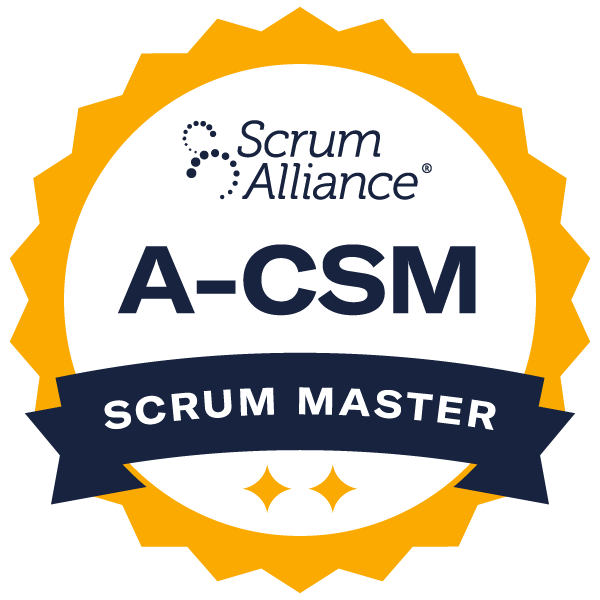
🌟 New Milestone Unlocked: Advanced Certified ScrumMaster (A-CSM) πŸŒŸ

Guess who just levelled up in the agile universe? πŸš€ I’m thrilled to share that I’ve officially earned the Advanced Certified ScrumMaster (A-CSM) certification, a prestigious milestone for agile leaders, coaches, and Scrum Masters! πŸ…

This journey wasn’t just about the certificate (although it does feel good to have it in my portfolio!) – it was about embracing continuous learning, stepping out of my comfort zone, and investing in my growth as a professional and as a person.

Here’s the thing: Growth doesn’t happen by accident. It happens when you choose to prioritize learning, say yes to challenges, and remind yourself that there’s always more to explore. 🌱

This journey has been an incredible deep dive into advanced Scrum practices, fostering team dynamics, facilitating agile processes, and creating environments where teams thrive and deliver value consistently.

Here are a few key takeaways from this certification:

  • The art of servant leadership: Empowering teams while giving them the space to innovate and grow.
  • Advanced facilitation techniques to navigate challenges and boost collaboration.
  • Building a culture of continuous improvement, focusing on delivering value sprint after sprint.
  • Strategies for addressing team dynamics and unlocking each team member’s potential.

This certification is more than just a badgeβ€”it’s a reflection of my commitment to continuous learning and evolving as a Scrum Master, agile leader, and team enabler. πŸš€

πŸ’‘ I’m excited to apply these insights to empower teams, improve agility, and help organizations achieve their goals. If you’re passionate about agile, Scrum, or leadership, let’s connect and exchange ideas!

πŸ’‘ A little nudge for you:
If you’ve been thinking about that course, new technology or skill you’ve always wanted to pursueβ€”this is your sign to go for it. Future you will thank you. πŸ’ͺ

πŸ’¬ Let’s keep the conversation going! What’s one learning milestone you’re proud of, or something you’ve been wanting to tackle next? Drop it in the commentsβ€”let’s inspire each other! πŸš€

Beyond the Code: Crafting the Perfect Test Automation Strategy

In the ever-evolving world of software development, test automation is a necessity. But effective test automation isn’t just about writing code to automate tests; it’s about creating a strategy that aligns with your team’s goals, ensures optimal coverage, and evolves with your product. Let’s explore how you can craft the perfect test automation strategy, one that goes beyond the code and truly delivers value.

Why Strategy Matters

Many teams dive headfirst into test automation, often tempted by the promise of speed and efficiency. However, without a clear strategy, automation efforts can quickly spiral into chaos. Flaky tests, redundant coverage, and maintenance nightmares become all too common. 

For example, a startup I worked with automated their entire regression suite without prioritizing critical paths. When their checkout system broke due to an API change, the automated tests failed to catch it because they were too focused on miniscule UI tests and edge cases.

The takeaway? A good strategy ensures that your test automation efforts are focused, reliable, and adaptable to change.

Step 1: Define Your Goals

Every automation strategy should start with a clear understanding of your team’s goals. Are you looking to reduce manual testing time? Improve test coverage? Speed up deployment cycles? Align your automation efforts with these objectives.

A fintech company aimed to release updates weekly without compromising quality. Their automation strategy focused on automating critical workflows like fund transfers and account creation while leaving exploratory testing to manual testers. By aligning their automation with their release goals, they achieved faster, safer deployments.

Step 2: Identify What to Automate

Not everything needs to be automated. Even if feasible, not everything would be Valuable to automate. So, we need to prioritize test cases for automation based on their :

  1. Criticality: Focus on features that are essential to your business. For instance, for an e-commerce platform, the checkout flow and payment gateway are non-negotiable.
  2. Frequency: Automate repetitive tasks, such as regression testing, to save time.
  3. Feasibility: Some tests, like those involving visual validation, might be better suited for manual testing or require specialized tools.

A SaaS team struggled with flaky UI tests for edge cases. By refocusing their automation on API-level tests and critical user journeys, they reduced test execution time and improved reliability.

Read More »

How to Build and Nurture an Effective Team to Help Your Business Grow

It doesn’t matter the industry – all business owners want to see their organization succeed over time. For many, this may mean exploring new markets or creating new essential products or services for customers. However, the real path to success relies on having a strong team to help drive a company forward.

Still, creating a highly motivated team isn’t always an easy accomplishment. It takes dedication and hard work not only to acquire the right team members but also to ensure they continuously recognize and respect their role in helping the business develop.

Thankfully, there are various proven strategies for establishing the right culture for your business and maximizing its chances of success.

Inspiring Your Team with a Compelling Company Vision

Success is defined differently by each business. While some may think success is seeing profits grow double-digit year over year, others prioritize something deeper for their organization and the individuals working in it.

For most businesses to be successful, their employees need to share the same level of passion as company leadership. Communication is an important element in helping this happen. Every team member, regardless of their role in the company, should understand how their individual efforts impact the organization’s overall goals.

When employees are able to connect the dots between their performance and the performance of the company, it helps to give them a renewed sense of purpose each day. Below are a few ways business leaders can work to make this happen:

  • Speak a Universal language – The vision you express should be clear and easily understandable to a wide range of employees. Regardless of the level of experience of each employee, everyone should be able to recognize the message being expressed and how to contribute to larger company objectives.
  • Help Bridge the Gap Between Vision and Action – While articulating your vision clearly is important, this effort alone isn’t enough. You also need to show employees exactly how their individual roles and daily tasks make a difference when achieving the goals set out for the business.
  • Lead With Integrity – One of the most influential ways for leaders to help their teams live up to a company’s vision is by doing so themselves. All business leaders should fully embody the values and principles they set out for their teams. Leading with integrity in all areas of the business helps to create a culture of authenticity and helps everyone stay accountable day-to-day.

Creating a Shared Sense of Purpose

Helping your team to have a shared sense of purpose is an important component of helping your company vision come to life. When everyone works together to achieve the same goals, more is able to be accomplished and milestones are more easy to attain.

One of the best ways to create a shared sense of purpose is by encouraging employees to get involved as much as possible. This means making sure they feel valued enough to regularly share their ideas, ask questions, and contribute more toward shaping the business.

Another important element of getting employees involved more is creating knowledge-sharing opportunities. To do this, you could create specific communication channels across your organization where employees can more freely exchange new ideas or simply celebrate each other’s successes.

Unifying everyone in the company is an important part of sharing a broader purpose. This is why looking for more opportunities to bring everyone together and discuss new challenges, opportunities, successes, and even failures is a great way to help everyone feel like they’re part of something significant.

Equipping Your Team for Success

Read More »

My experience speaking at DevOpsCon, Singapore 2024 – Talks, Learning, and Inspiration

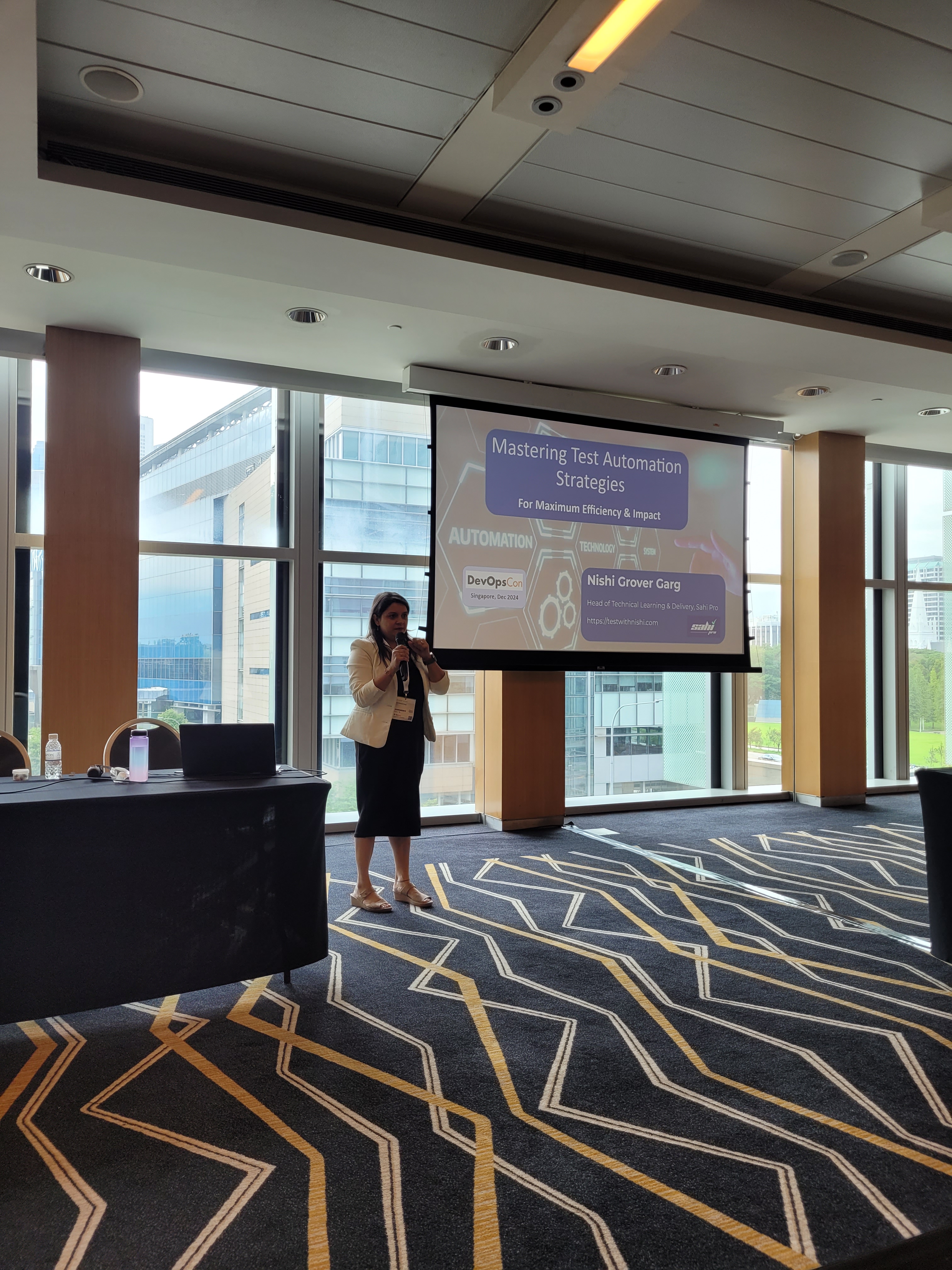
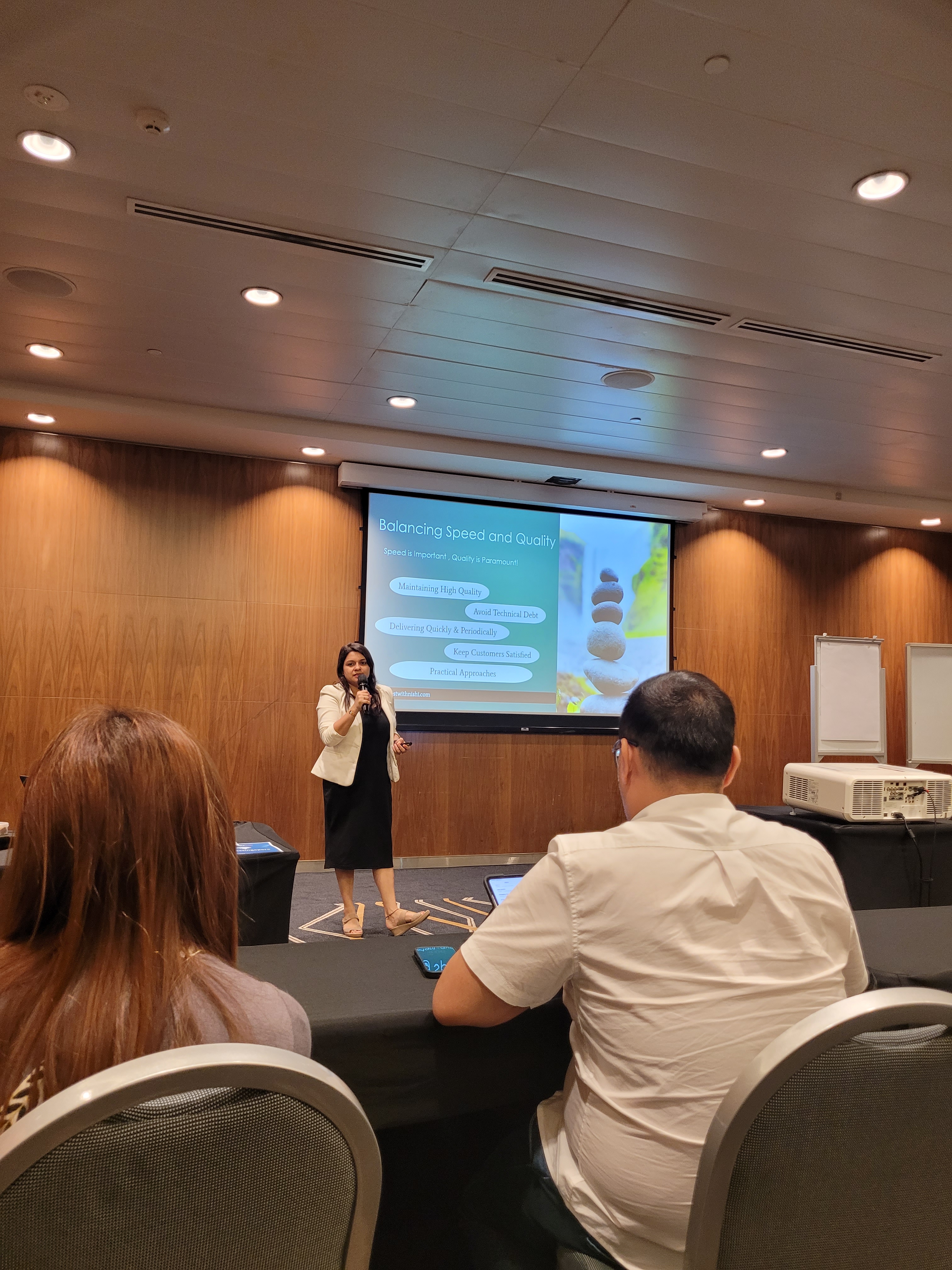
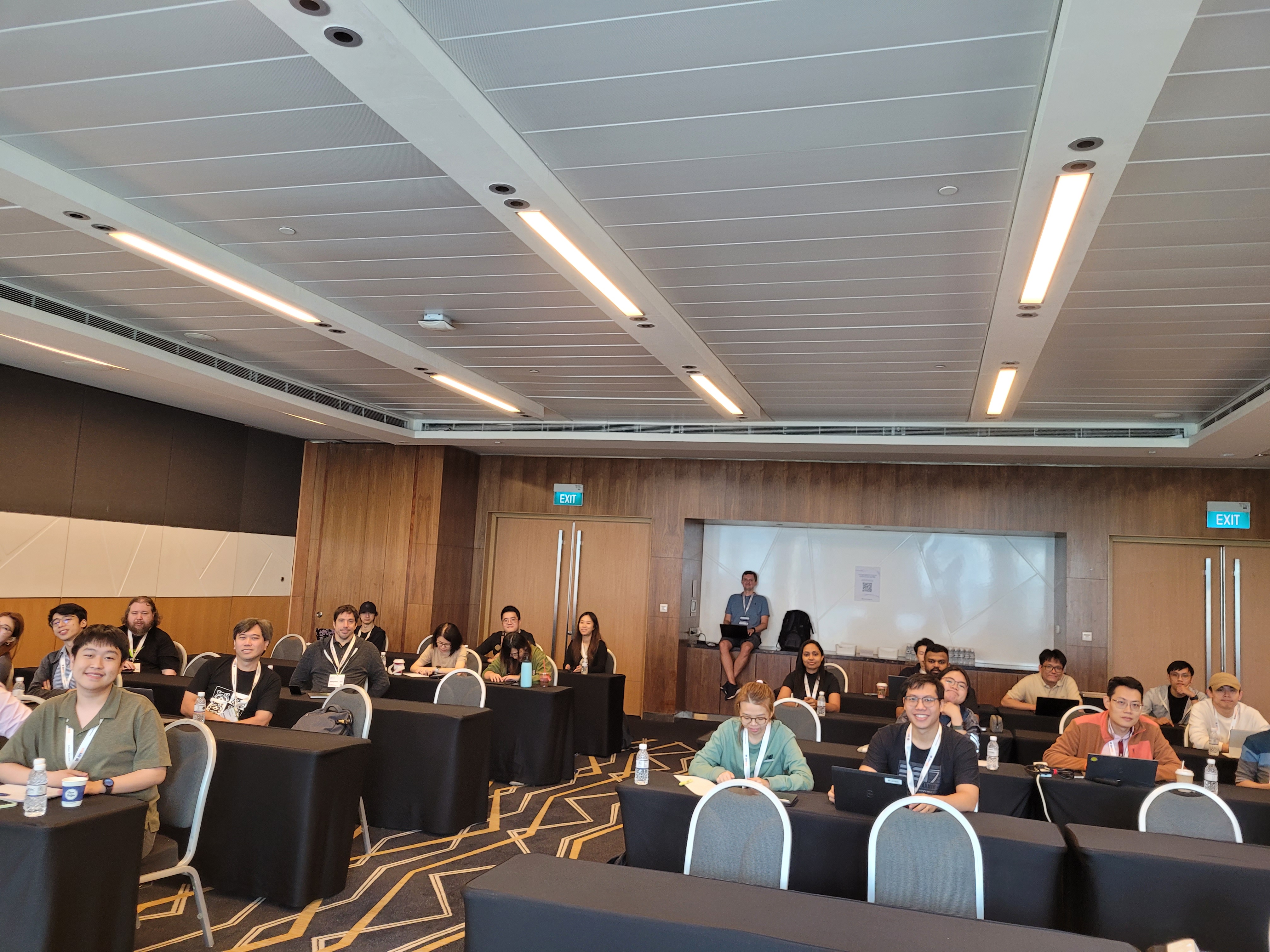
Last week, I had the wonderful opportunity to attend and speak at DevOpsCon Singapore, an event that brought together some of the brightest minds in the DevOps and agile communities. It was an experience filled with learning, sharing, and connection, all while revisiting the vibrant city of Singapore.

My Talks at DevOpsCon

I had the privilege of delivering two talks, each centered on topics I am deeply passionate about:

  1. Mastering Test Automation: Strategies for Maximum Efficiency and Impact
    In this session, I explored how teams can elevate their test automation game to ensure faster feedback, better quality, and smarter integration into CI/CD pipelines. We discussed practical strategies, real-world examples, and tools that can help achieve these outcomes. The engagement and thoughtful questions from the audience truly made this session a delight.
  2. Navigating the Agile Seas: Program Management in Startup Waters
    This talk was all about managing the unique challenges faced by agile teams in fast-paced startup environments. I shared insights and anecdotes from my own experiences, focusing on strategies for balancing speed with quality, fostering collaboration, and keeping teams aligned with business goals amidst chaos.

Both sessions were well-received, and I was deeply encouraged by the feedback and conversations they sparked. Knowing that my insights resonated with the attendees is always a humbling experience.

The Power of Learning and Collaboration

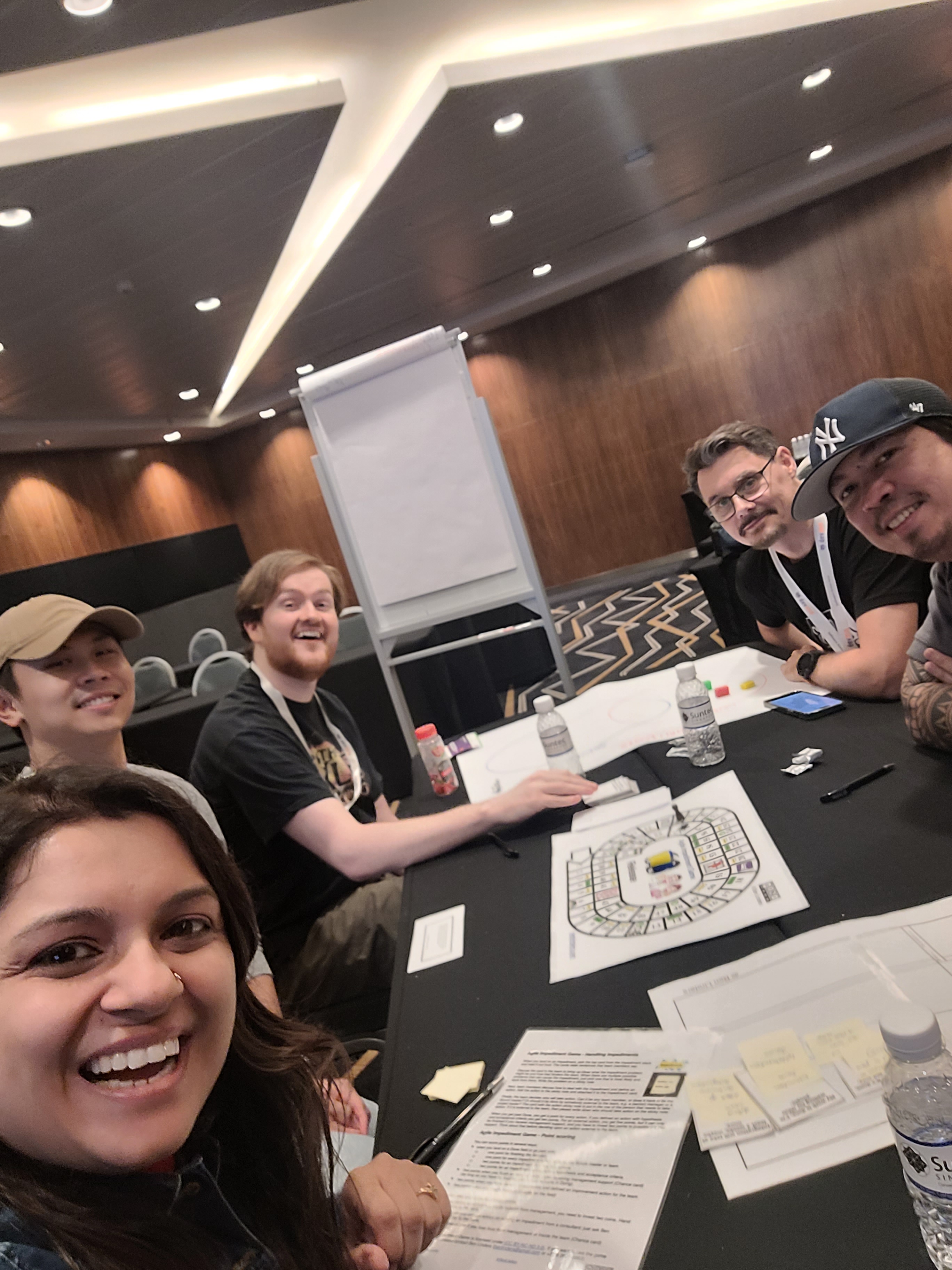
One of the highlights of the event was attending Ben Linders‘ workshop on Agile Teams Gamification. The session was not just informative but also incredibly interactive, showcasing how gamification can be a powerful tool to foster team collaboration and innovation. The exercises and insights were eye-opening, and I’m already thinking of ways to incorporate some of these ideas into my own work.

Workshops like these remind me of the endless possibilities for learning and the value of sharing knowledge within a community. It’s moments like these that inspire us to challenge conventional thinking and embrace fresh perspectives.

Reflections on the Event

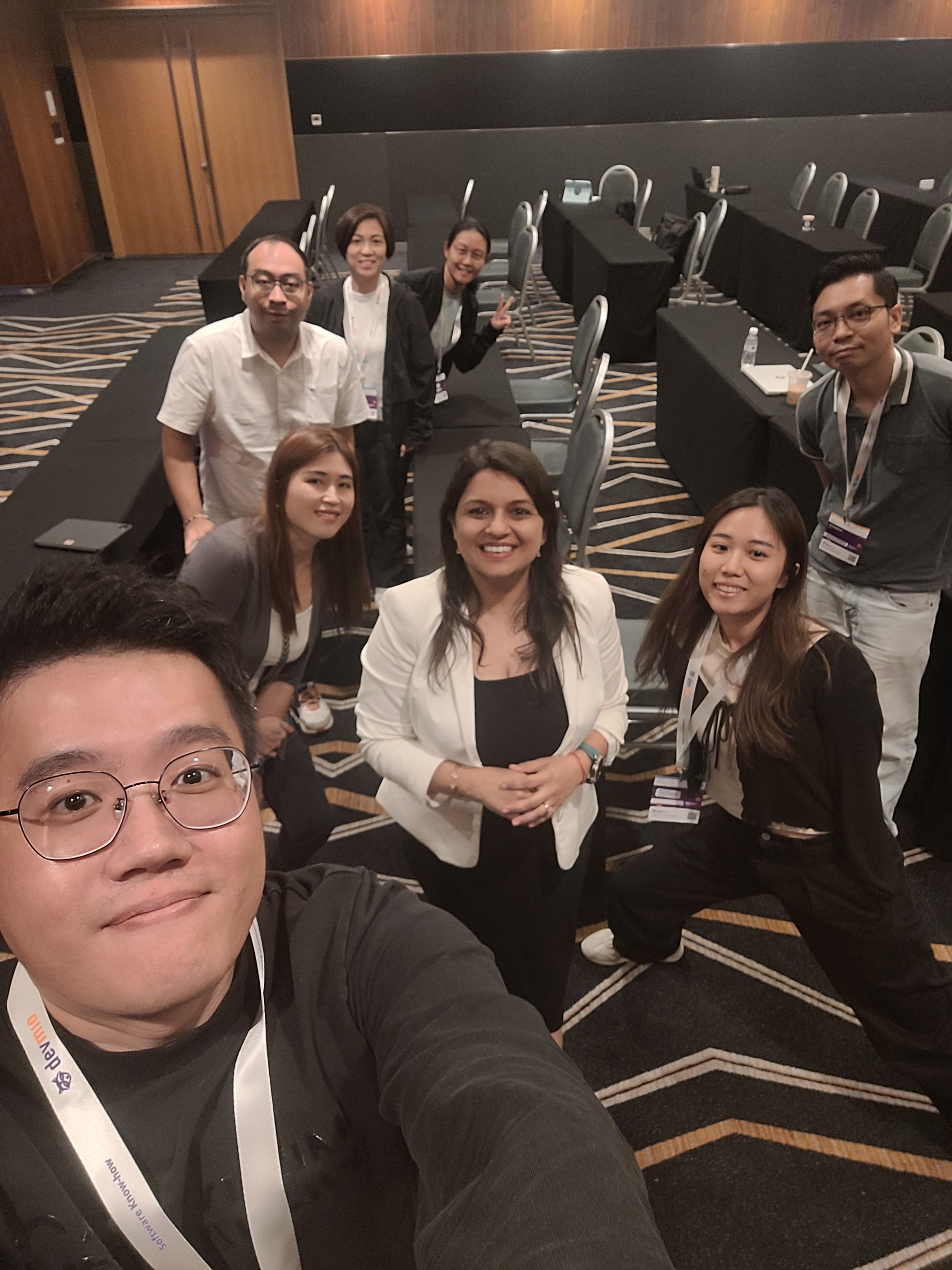
Events like DevOpsCon are a testament to the power of tech communities. From engaging discussions with fellow speakers and attendees to exploring ideas that can reshape the way we work, the experience was nothing short of invigorating.

Beyond the technical learnings, it was also about connecting with peopleβ€”whether it was hearing about their challenges, sharing stories over coffee, or simply realizing how much we all have in common in our pursuit of excellence.

Gratitude and Looking Ahead

I’m immensely grateful for the opportunity to represent my ideas on such a global stage, and for the chance to learn from some of the best minds in the industry. Sharing my knowledge, while also growing from the knowledge of others, is what drives me to keep pushing forward.

Here’s to more opportunities to learn, share, and grow together! If you attended the event or my talks, I’d love to hear your thoughts and continue the conversation.

#DevOpsCon #AgileLeadership #ContinuousLearning #Grateful #TechCommunities

I am speaking at DevOpsCon, Singapore

I am elated to share that I have been invited to speak at DevOpsCon, SIngapore – an event by devmio. This event is known for its power workshops, practical learning avenues and networking with international community of Agile & DevOps enthusiasts, I am excited to be presenting not one but 2 sessions – one focused on Agile Delivery and another on Test Automation Strategies!

The conference offers 4 full days of learning in the form of sessions, keynotes and workshops, with options to attend in-person or online – here is the full program https://devopscon.io/singapore/program-singapore/

As I prepare for the sessions and my travel, I am also looking for recommendations and ideas for things to include in these sessions. Please share your thoughts and suggestions on what you would like to be included in these topics – here are the details of my sessions:


Navigating the Agile Seas: Program Management in Startup Waters

Agile teams in startups can be in a constant state of flux, and creating harmony there requires mastering adaptive leadership techniques, relooking at processes and leaning them out to suit the needs of the teams. In this session, we will dissect the intricate dance of leading software delivery in startup agile teams, and discover actionable strategies for navigating the complexities of program management in fast-paced environments. Program and engineering leaders will gain valuable insights into aligning team efforts with business goals while maintaining agility and high-quality standards.

By the end of this session, you will:​

  • Gain insights into adaptive leadership techniques tailored for startup agility.
  • Learn practical approaches to balance speed and quality in software delivery.
  • Explore effective methodologies for orchestrating agile programs in dynamic startup ecosystems
  • Navigating the Agile Seas: Program Management in Startup Waters

Mastering Test Automation: Strategies for Maximum Efficiency and Impact

In today’s fast-paced development cycles, effective test automation is essential for delivering high-quality software at speed. This talk will guide you through selecting the most impactful test automation strategies by focusing on aligning with business goals, ensuring scalability, and optimizing test coverage. Attendees will learn how to prioritize which tests to automate, choose the right tools, and create a balanced approach that maximizes efficiency while minimizing maintenance overhead.

Grateful for the opportunity to share my word with the community, and looking forward to travelling the world!

See ya there!

Cheers,

Nishi

I am speaking at Testflix 2024

I am super excited to share that I will be speaking at Testflix 2024, being organized by The Test Tribe. With 15+ themes and more that 20,000 people signed up for it already, this is going to be a grand event with testers from 125 countries & from the world’s top companies in attendance!

I am going to be speaking on the theme of Leadership – and my session is specifically about Leadership in Agile. Here are the details of my talk:

Leadership in agile is not about command and control; it’s about empowering teams to collaborate, innovate, and adapt to change. From navigating shifting priorities to fostering collaboration and accountability, agile leadership is about enabling teams to deliver value continuously and grow in a sustainable, self-organizing environment. In this session, we will talk about the lessons in leadership and attendees will walk away with actionable leadership tips to inspire, motivate, and lead their own agile teams to deliver high-impact results.

Talk Takeaways

  • Lessons in Leadership from various hands on agile roles
  • Actionable leadership tips to inspire, motivate and lead agile teams.
  • How to lead agile teams to deliver high-impact results

It is a virtual event which is free to attend, so do sign up now to not miss out on the incredible opportunity for learning & networking at this vibrant community event!

Integrating Testing with Cloud-Based Development: Challenges and Solutions

Cloud-based development has become the norm for many organizations due to its numerous benefits. These include the ability to scale resources dynamically, reduce costs, and improve collaboration among development teams. However, with these advantages come challenges, particularly in integrating testing processes. Effective testing is crucial to ensure that applications are reliable, secure, and performant. 

The rapid evolution of cloud-based development has transformed how software is developed, tested, deployed, and maintained. Software testing companiesΒ play a critical role in ensuring the quality and reliability of applications developed in cloud-based environments. However, integrating testing within these environments presents unique challenges that require innovative solutions. This article explores these challenges in detail and provides strategies for overcoming them.

What is Cloud-Based Development?

Cloud-based development refers to the process of building, deploying, and managing applications using cloud computing services. This approach leverages cloud infrastructure, platforms, and software to enable developers to work more efficiently and collaboratively. Cloud-based development environments provide tools and resources that facilitate continuous integration and continuous deployment (CI/CD), which are essential for modern software development practices.

Benefits of Cloud-Based Development

  • Scalability: Resources can be scaled up or down based on demand.
  • Cost-Efficiency: Pay-as-you-go models reduce the need for significant upfront investments.
  • Collaboration: Cloud environments enable better collaboration among distributed teams.
  • Flexibility: Developers can choose from a variety of tools and services to meet their specific needs.

Challenges in Integrating Testing with Cloud-Based Development

1. Environment Consistency

Ensuring consistency across different environments (development, testing, staging, production) is challenging in cloud-based development. Variations in configurations, dependencies, and data can lead to discrepancies in test results, making it difficult to identify the root causes of issues.

Solution

  • Infrastructure as Code (IaC): Use IaC tools like Terraform or AWS CloudFormation to define and manage infrastructure. This ensures that environments are created consistently.
  • Containerization: Use containers (e.g., Docker) to encapsulate applications and their dependencies, ensuring consistency across environments.

2. Data Management

Managing test data in cloud-based environments can be complex. Ensuring data availability, consistency, and security across multiple environments is a significant challenge.

Solution

  • Data Virtualization: Use data virtualization techniques to provide consistent and secure access to test data without the need to replicate it.
  • Automated Data Management: Implement automated processes for data provisioning, masking, and cleanup to ensure data consistency and security.

3. Security and Compliance

Ensuring security and compliance in cloud-based environments is critical, especially when dealing with sensitive data. Testing processes must adhere to stringent security and compliance requirements.

Solution

  • Security Testing Tools: Integrate security testing tools (e.g., OWASP ZAP, Burp Suite) into the CI/CD pipeline to identify and address vulnerabilities early.
  • Compliance Automation: Use compliance automation tools to ensure that testing processes adhere to regulatory requirements (e.g., GDPR, HIPAA).

4. Performance Testing

Performance testing in cloud-based environments can be challenging due to the dynamic nature of cloud resources. Variability in resource allocation can affect performance test results.

Solution

  • Synthetic Load Testing: Use synthetic load testing tools to simulate real-world traffic and measure performance under different conditions.
  • Resource Monitoring: Implement resource monitoring tools to track and analyze the performance of cloud resources during testing.

5. Tool Integration

Integrating various testing tools within a cloud-based development environment can be complex. Ensuring seamless communication between tools is essential for effective testing.

Solution

  • CI/CD Integration: Use CI/CD tools (e.g., Jenkins, GitLab CI/CD) to automate the integration of testing tools and processes.
  • API-First Approach: Adopt an API-first approach to ensure that testing tools can easily integrate and communicate with each other.

Solutions for Effective Testing in Cloud-Based Development

Read More »