Overcoming Barriers to Effective Communications in Agile Teams

Communication is the foundation of success for an agile team. Agile teams need to set up effective communication channels and have a culture of constant communication for complete transparency.

However, there are often several challenges that act as barriers to productive communication and may lead to people problems as well as delayed or failed projects. In my article for TestRail https://blog.gurock.com/agile-barrier-communication/ , I have discussed some of the most common barriers to effective communication for agile teams, as well as how you can overcome them.

  • Physical Barriers
  • Cultural and Language Barriers
  • Emotional Barriers
  • Perceptual Barriers

Read the complete article here ->

Agile teams require constant communication, so it immensely benefits the team to recognize their barriers to effective communication and take some measures to overcome these barriers. Every step taken in this regard leads the team farther down their path to true agility.

The Agile Mindset: Cultural Changes for Successful Transformation

Agile transformations can be a challenging undertaking, and many organizations struggle with what is probably the hardest part of the transition: adopting an agile mindset. It is imperative that teams embrace the agile culture before they can fully embrace agile.

Let’s discuss the major cultural shifts needed for a successful agile transformation. Full article-> https://blog.gurock.com/agile-mindset/

Collaborating to Make Decisions

As I always like to say, agile is more a mindset than a process. It guides you to a better way of working and collaborating in order to deliver the most value to your users. But how you choose to implement those guidelines is up to you, and most teams coming from a traditional style of software development find this aspect the most challenging.

Teams are left to find ways to work together rather than having a process forcing them to do certain actions, follow certain processes, or organize specific meetings. There are no templates or techniques to adhere to and no rules to follow strictly.

This may come as a surprise and leave teams guessing since they are used to being told what to do and how. Agile drives them to think on their feet as they plan and replan their way through the development process. Read More–>

Being Comfortable with Visibility & Exposure

Agile gives everyone a voice and values every person’s opinion. Many teams have been used to only the manager speaking for them or having one representative in most meetings. As a result, some team members may feel flustered now that they’ll occasionally be in the spotlight. People who are not used to voicing their opinion are expected to speak in all forums. Hiding behind the team is no longer an option in agile.

This also means team members are valued as individuals and everyone’s contribution is recognized. Agile treats all team members as equals, whatever their role or designation. They are expected to estimate their own tasks, pick things to work on, collaborate with other team members, and provide value by the end of each iteration. Continue Reading–>

Read More »

3 ways Agile testers can use Walkthroughs

A walkthrough is a great review technique that can be used for sharing knowledge, gathering feedback and building a consensus. Typically, walkthroughs take place when the author of a work item explains it in a brief review meeting — effectively walking the team through the work — and gathers people’s feedback and ideas about it. These meetings may be as formal or as informal as needed and may also be used as a knowledge-sharing session with many relevant stakeholders at once.

In my article published at https://blog.gurock.com/tester-agile-walkthrough/ , I have discussed three ways agile testers can make use of this type of review for their sprint- and release-level test plans and test cases to get the entire team involved in the quest for quality.

I have also discussed how I have used walkthroughs in my agile team as a mechanism to review our sprint test scenarios with the entire Scrum team. The main areas of application are-

  • Defining Scope
  • Generating Test Ideas
  • Building a Consensus

Click here to read the complete article–>

Walkthroughs are a quick and easy review technique to adopt, and they can be especially useful for testers on an agile team to get reviews on their test plans, test cases, and scripts. Give this technique a try, even if in an informal sense, and see how beneficial it can be!

I am speaking at ‘Targeting Quality 2019’ , Canada

I am super excited to be speaking at this grand event TQ2019 being organised by KWSQA on 23-24 Sep in Canada!

On top of that I get to present not one but 2 talks!! My topics are

“The What, When & How of Test Automation” 45 mins

In this I will talk about preparing robust automation strategies. Agile means pace and agile means change. With frequent time boxed releases and flexible requirements, test automation faces numerous challenges. Haven’t we all asked what to automate and how to go about the daily tasks with the automation cloud looming over our heads. Here we’ll discuss answers to some of these questions and try to outline a number of approaches that agile teams can take in their selection of what to automate, how to go about their automation and whom to involve, and when to schedule these tasks so that the releases are debt free and of best quality.

“Gamify your Agile workplace”    15 mins

In this I’ll present live some innovation games and have audience volunteers engage and play games based on known scenarios. Let’s Play and learn some useful Innovation Games that can help you gamify your agile team and workplace, making the team meetings shorter and communication more fun!

Both these topics are close to my heart and I am looking forward to sharing my thoughts with a wider audience.

I am also excited to meet all the awesome speakers at the event , as well as get to know the fantastic team of organizers behind this event!

Check out the detailed agenda here – https://kwsqa.org/tq2019/schedule/

Follow me at @testwithnishi, @KWSQA and #TQ2019 on twitter for more updates on the event!

Also check out & support other initiatives by KWSQA at https://kwsqa.org/kwalitytalks/

Wish me luck! 🙂

Scrum, Kanban & Scrumban – What’s the difference?

Agile is a big umbrella that covers a number of different approaches, and there is always scope for more. There are so many flavors because agile is a mindset that allows flexibility in its processes. Two of the more popular approaches are Scrum and Kanban.

Scrum and Kanban apply agile principles in their own way to empower effective delivery cycles. “Scrumban” is a term coined for a hybrid approach making use of both Scrum and Kanban principles.

In my article published at Testrail , I have explore the differences among the three methodologies – Scrum , Kanban and Scrumban. Check it out and see which of these methodologies may be right for you. https://blog.gurock.com/scrum-kanban-scrumban/

Here is a brief about the 3 methodologies –

SCRUM

Scrum is the most popular agile framework. It is iterative and incremental in nature and focuses on tight delivery timelines. The release time frame is split into small iterations called sprints. Work items are planned for each sprint in the form of user stories and tasks, which are prioritized based on value. Teams are small, cross-functional and self-organizing, with a product owner, a ScrumMaster and the development team.

Scrum provides channels for communication through ceremonies such as the sprint planning meeting, the daily standup meeting, the sprint demo, and the sprint retrospective, all of which contribute to the overall pace and a flexible approach to software development.

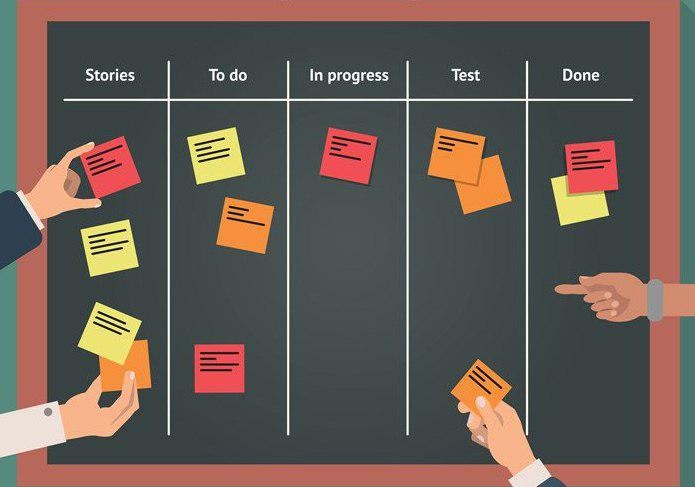
Scrum Task board

KANBAN

Kanban is focused on continuous delivery based on lean principles. It’s based on the flow of work and just-in-time delivery and promotes process improvement. Kanban aims to eliminate waste, increase productivity and efficiency, and have flexibility in production. The main goals are to limit work in progress (WIP), avoid multitasking and recognize bottlenecks.

Read More »

4 ways Task boards can help Agile teams

A task board is a physical or virtual chart containing all current team tasks at hand and their progress over time. For an agile team, all sprint tasks can be represented on the task board, and their flow over various stages can be tracked in the daily standup meeting. Task boards are a great way to visually representing pieces of work and their status.

Besides helping to organize and track work and being the focal point of the iteration and relevant meetings, task boards can have numerous more benefits for an agile team. In my article published @Gurock, I have discussed four additional ways in which Task boards can help an agile team-> https://blog.gurock.com/agile-task-boards/

Different styles of Task boards

Main points discussed–>

  • Customize the process
  • Visualize their Scrum
  • Improve Commitment and visibility
  • Facilitate Team interactions

Click here to read more ->

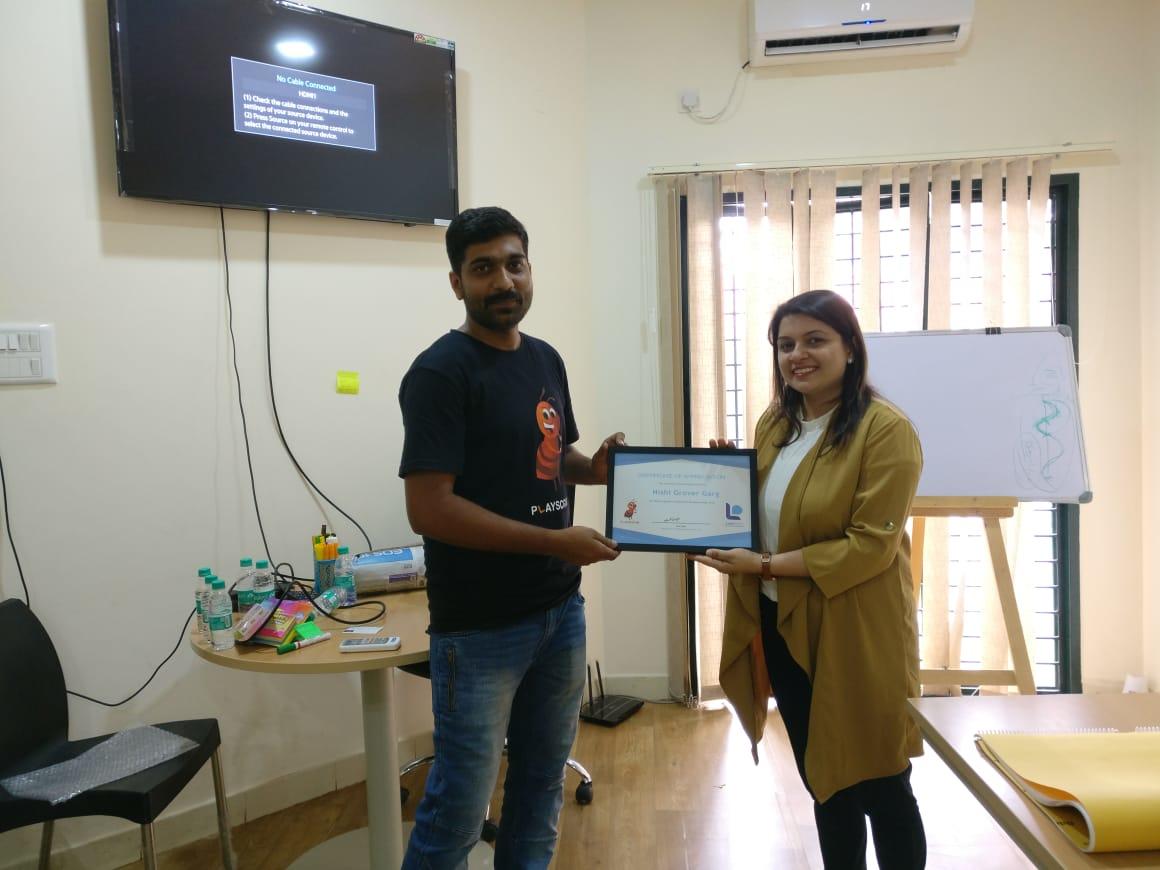
My talk @Playscrum Meetup by Leanpitch- 20 July’19

I was invited to present a talk at this month’s @Playscrum Meetup at Bangalore, hosted by @Leanpitch technologies on 20th July

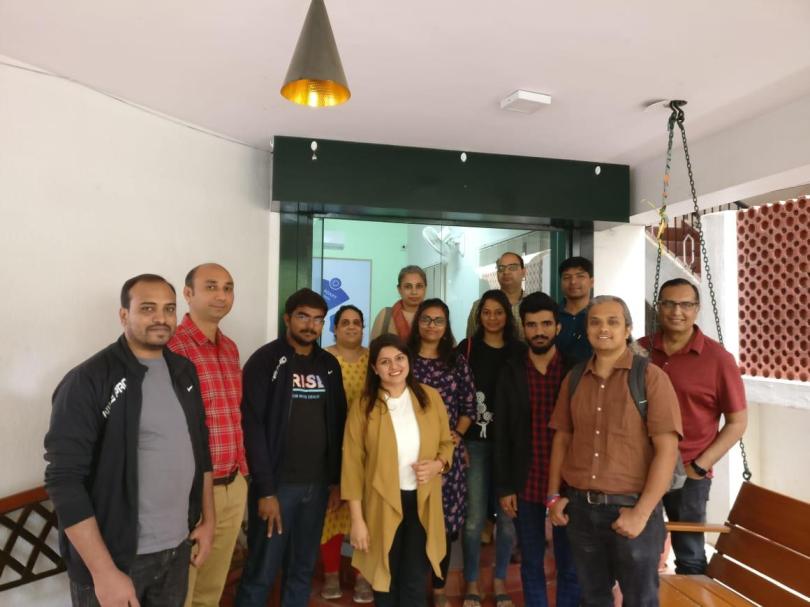
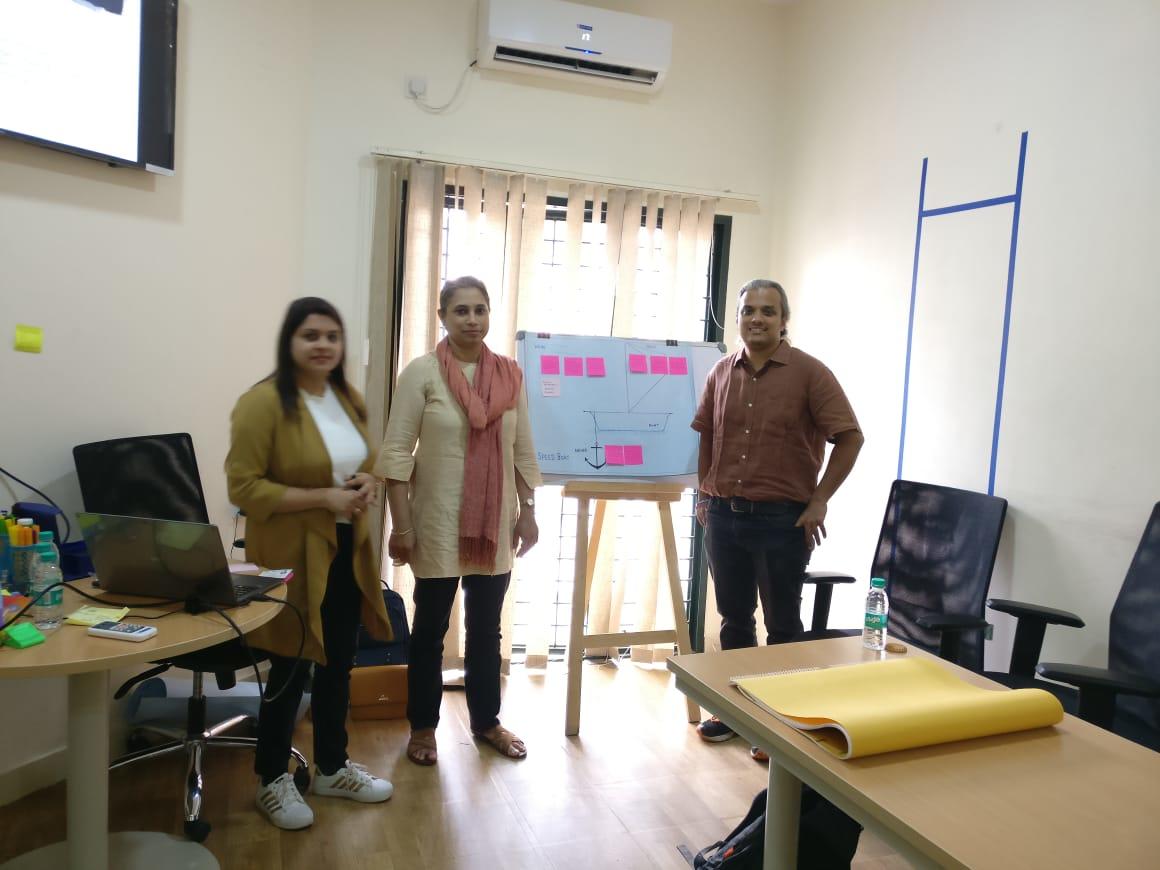
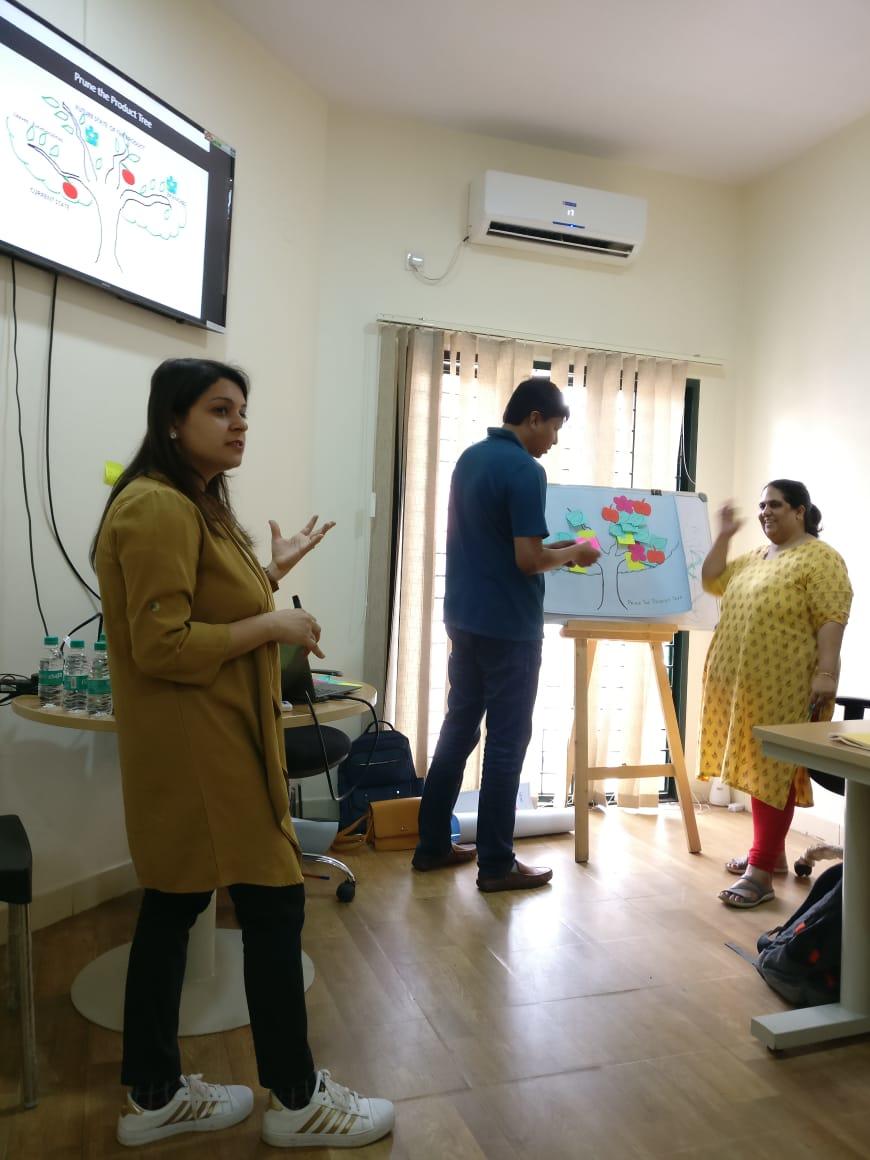
It was a small event with a great set of delegates who gathered to hear me talk about Gamification in Agile teams. Agile teams rely heavily on communication and collaboration among all team members. In this session, I talked about about ‘Innovation Games’ which help make all agile meetings and ceremonies shorter, crisper, more visual and open involving all team members.

It was an interactive session wherein we played many Innovation Games with the audience volunteers, which was a big hit with everyone. There was good participation, many great ideas and discussions in the group. Overall a good experience at my first Playscrum meetup in Bangalore. Would love to collaborate again soon!

Here is a glimpse of the event-

https://www.meetup.com/PlayScrum-Bangalore/events/262475507/

‘Co-opetetion’ Among Agile Team Members

Agile focuses on motivated individuals acting together toward a common goal. Consequently, agile needs people to collaborate and requires complete transparency, communication, and cooperation, within and across teams. But at the same time, individuals instinctively try to outperform others in order to stand out in their teams.

This transition from individual responsibility to collective ownership is often the hardest part of the cultural shift that teams face when adopting agile. I have looked at ways to encourage healthy competition, more cooperation, and a sense of community among agile teammates in my latest article for Gurock – TestRail blog, the main points being-

  • Showing People the part they played
  • Have Co-workers appreciate each other
  • Measuring personal growth
  • Motivating with extra initiatives
  • Encouraging Collaboration and healthy competetion

Check out the complete article at – https://blog.gurock.com/agile-co-opetiton/ to find ways to encourage healthy competition and better team dynamics in your agile teams!

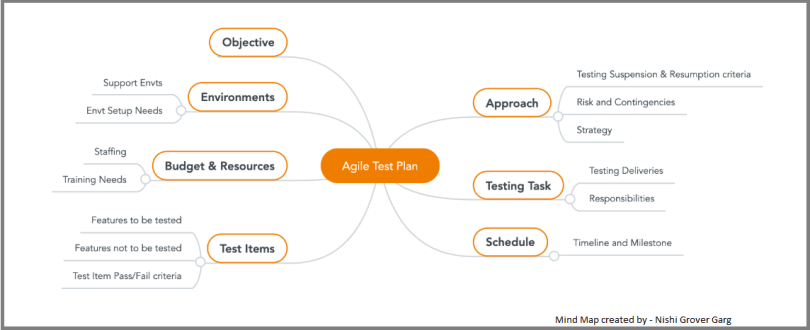
Using Mind Maps for Agile Test Planning

Mind maps are a creative way of gathering ideas around a central theme and categorizing them in concrete branches. Mind maps can be useful for both personal and professional life as an organization and visualization technique. They’re descriptive, easy and even fun.

In my latest post for Gurock blog, I showcase the usage of mind maps as a technique for test planning and test design. This tool’s capabilities make your documentation leaner and ideas more visual, which benefits the whole agile team.
https://blog.gurock.com/agile-mind-map/

Be it test planning in an agile team which needs entire team’s insights and collaboration, or categorization of product features, test areas and backlog, Mindmaps can be used for all aspects and phases of the project.

Testers can generate their test ideas and have them categorized in a mind map around the central theme of the feature. The visual nature of a mind map helps them find more scenarios, see which parts are more heavily tested, and focus on main areas or branches. Once done, they can have other stakeholders take a look at it and get their opinions. This fosters brainstorming together and gathers the maximum number of ideas from the entire team.

Find useful tips to create your own mindmaps, as well as some samples for your reference in agile test designing as well as test planning. Read the complete article here ->
https://blog.gurock.com/agile-mind-map/

To learn more about the basics of Mind Mapping and its benefits, read this comprehensive guide that will uncover your mind’s potential and let it soar on the wings of creativity. Mind maps offer an incredibly flexible, accessible, and applicable way to memorize new information. You should try this effective tool for organizing ideas if improving your productivity and the quality of your academic achievements is something you’re interested in.

Share your thoughts!

Making the case for Usability Testing in Agile

My first experience with usability testing was on an agile team where the product we were building was being designed with the help of an in-house usability expert. He helped design the user interface (UI) of the application and conduct usability study on the beta version of the software to determine the ease of use of the application.

Though the experience was limited in terms of the interaction we had with the user representatives and the sessions conducted, the feedback we received opened up lots of new avenues for the tester in me around the learnability, understandability and attractiveness of the application I was testing.

Usability has matured a lot over the years. It’s now an essential software characteristic in today’s web and mobile applications. In my article published at the TestRail blog, I discuss ways of performing Usability tests and developing a mindset for Usability in an agile context.

https://blog.gurock.com/usability-testing-agile-projects/

We also discuss about Usability Study , how to set it up and achieve maximum benefits from it.

To read the complete article — (opens in a new tab)”>Click here –>