I am speaking at DevOpsCon Berlin (June 2025)

I am excited to share that I will be speaking at DevOpsCon Berlin next week, an event by devmio.

This event is known for its power workshops, practical learning avenues and networking with international community of Agile & DevOps enthusiasts, I am excited to be presenting not one but 2 sessions – one focused on No-Code Test Automation Revolution and another about Leading Scrum teams in dynamic environments.

The conference offers 4 full days of learning in the form of sessions, keynotes and workshops, with options to attend in-person or online – here is the full program https://devopscon.io/berlin/program-berlin/

As I prepare to travel to Berlin again, this will definitely be a new experience as a European native and having my family along with me! I am excited to meet some new people and reconnect with the amazing people I met in the past years.

Here are the details of my 2 sessions:

No Code Revolution: Redefining Test Automation for Speed and Simplicity

With numerous test automation tools and frameworks available today, many in the software testing industry are focused on learning them all. It is important to stay updated with new technology. But are testers losing something in the race to become more technical and equipped with automation skills? Is your test automation becoming so technical and code-intensive that it’s in danger of alienating the subject-matter expert testers who best know the core of your business?
Testing is a creative field and Test automation tools are the necessary technology that is meant to serve us.
Test automation is undergoing a paradigm shift with the rise of no-code platforms. This session dives into how no-code test automation tools are transforming traditional testing practices, enabling faster implementation, and making testing accessible to non-technical stakeholders.

Takeaways :
Attendees will discover:
>>What steps to take to not alienate your business testers and other key stakeholders from yoyr test automation.
>>How no-code platforms democratize test automation for Agile teams.
>>Techniques to reduce setup time and increase test coverage.
>>Practical insights into leveraging no-code tools for scalable, efficient testing

Mastering Scrum and Navigating Agility in Dynamic environments

Agile teams in startups can be in a constant state of flux, and creating harmony there requires mastering adaptive leadership techniques, relooking at processes and leaning them out to suit the needs of the teams. In this session, we will dissect the intricate dance of leading software delivery in startup agile teams, and discover actionable strategies for navigating the complexities of program management in fast-paced environments. 

Scrum masters, agile leaders and team members will gain valuable insights into aligning team efforts with business goals while maintaining agility and high-quality standards.

By the end of this session, you will:​

>Gain insights into adaptive leadership techniques tailored for startup agility.

>Learn practical approaches to balance speed and quality in software delivery.

>Explore effective methodologies managing scrum teams in dynamic startup ecosystems.

How to Build and Nurture an Effective Team to Help Your Business Grow

It doesn’t matter the industry – all business owners want to see their organization succeed over time. For many, this may mean exploring new markets or creating new essential products or services for customers. However, the real path to success relies on having a strong team to help drive a company forward.

Still, creating a highly motivated team isn’t always an easy accomplishment. It takes dedication and hard work not only to acquire the right team members but also to ensure they continuously recognize and respect their role in helping the business develop.

Thankfully, there are various proven strategies for establishing the right culture for your business and maximizing its chances of success.

Inspiring Your Team with a Compelling Company Vision

Success is defined differently by each business. While some may think success is seeing profits grow double-digit year over year, others prioritize something deeper for their organization and the individuals working in it.

For most businesses to be successful, their employees need to share the same level of passion as company leadership. Communication is an important element in helping this happen. Every team member, regardless of their role in the company, should understand how their individual efforts impact the organization’s overall goals.

When employees are able to connect the dots between their performance and the performance of the company, it helps to give them a renewed sense of purpose each day. Below are a few ways business leaders can work to make this happen:

  • Speak a Universal language – The vision you express should be clear and easily understandable to a wide range of employees. Regardless of the level of experience of each employee, everyone should be able to recognize the message being expressed and how to contribute to larger company objectives.
  • Help Bridge the Gap Between Vision and Action – While articulating your vision clearly is important, this effort alone isn’t enough. You also need to show employees exactly how their individual roles and daily tasks make a difference when achieving the goals set out for the business.
  • Lead With Integrity – One of the most influential ways for leaders to help their teams live up to a company’s vision is by doing so themselves. All business leaders should fully embody the values and principles they set out for their teams. Leading with integrity in all areas of the business helps to create a culture of authenticity and helps everyone stay accountable day-to-day.

Creating a Shared Sense of Purpose

Helping your team to have a shared sense of purpose is an important component of helping your company vision come to life. When everyone works together to achieve the same goals, more is able to be accomplished and milestones are more easy to attain.

One of the best ways to create a shared sense of purpose is by encouraging employees to get involved as much as possible. This means making sure they feel valued enough to regularly share their ideas, ask questions, and contribute more toward shaping the business.

Another important element of getting employees involved more is creating knowledge-sharing opportunities. To do this, you could create specific communication channels across your organization where employees can more freely exchange new ideas or simply celebrate each other’s successes.

Unifying everyone in the company is an important part of sharing a broader purpose. This is why looking for more opportunities to bring everyone together and discuss new challenges, opportunities, successes, and even failures is a great way to help everyone feel like they’re part of something significant.

Equipping Your Team for Success

Read More »

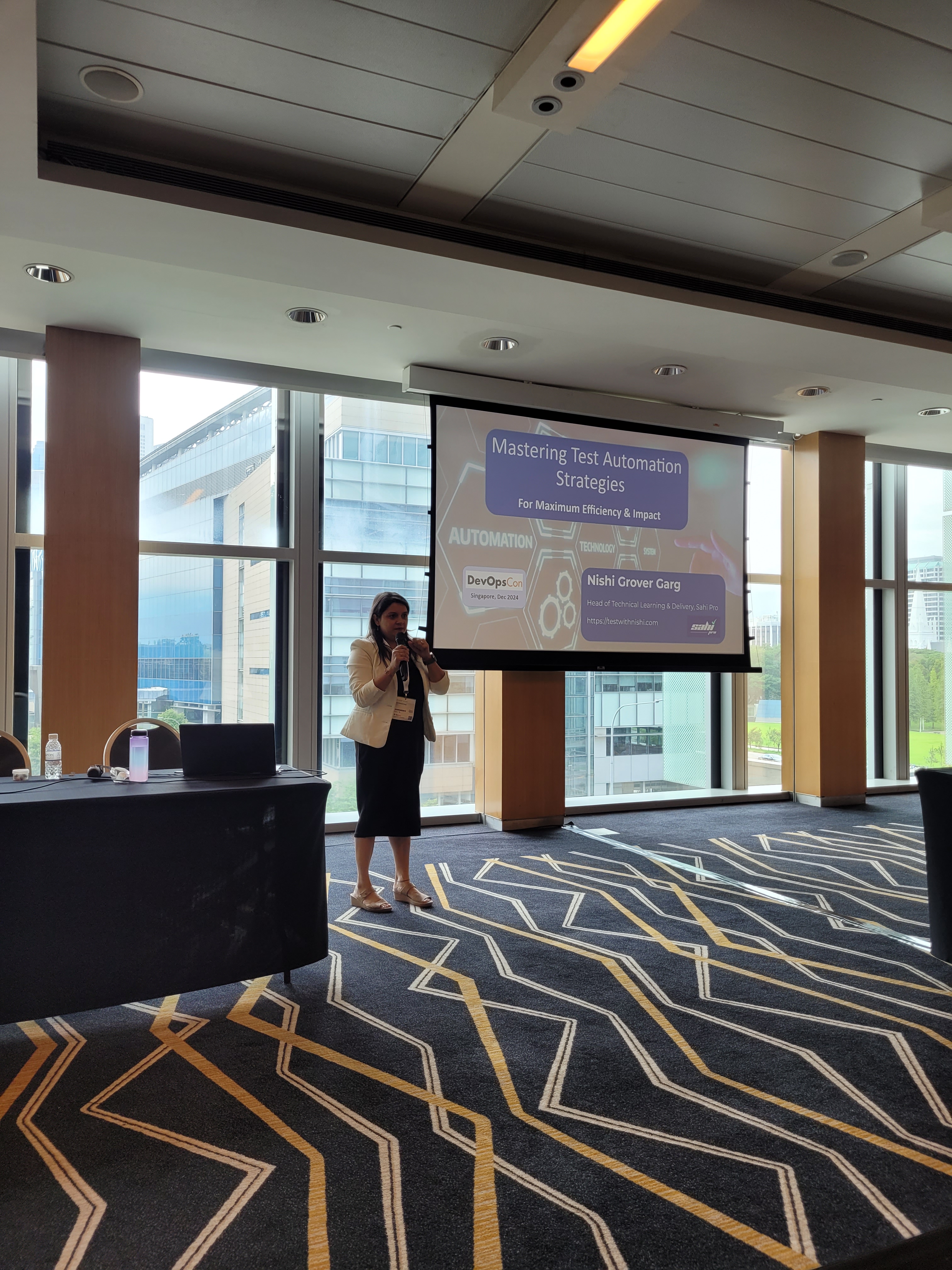
My experience speaking at DevOpsCon, Singapore 2024 – Talks, Learning, and Inspiration

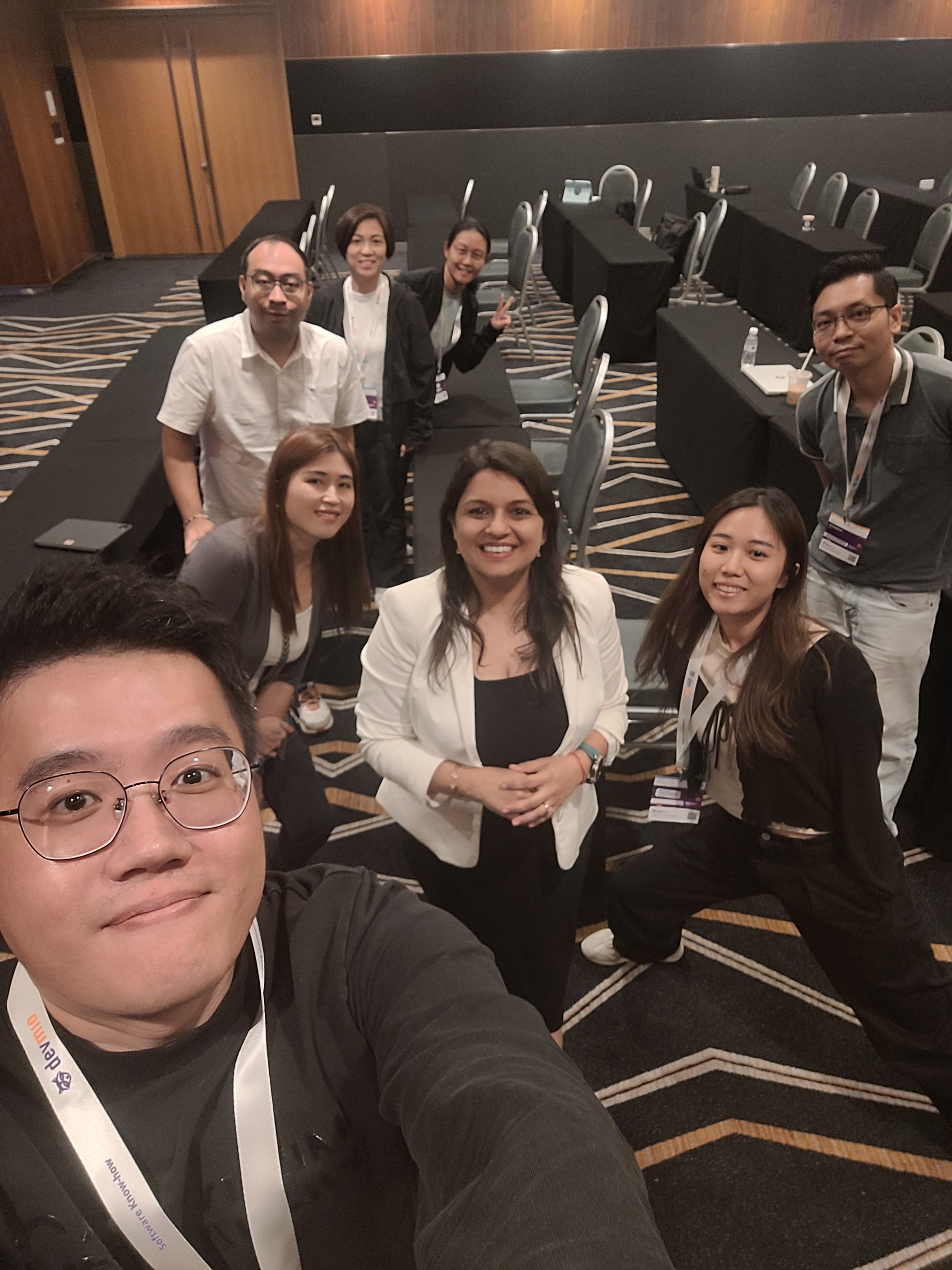
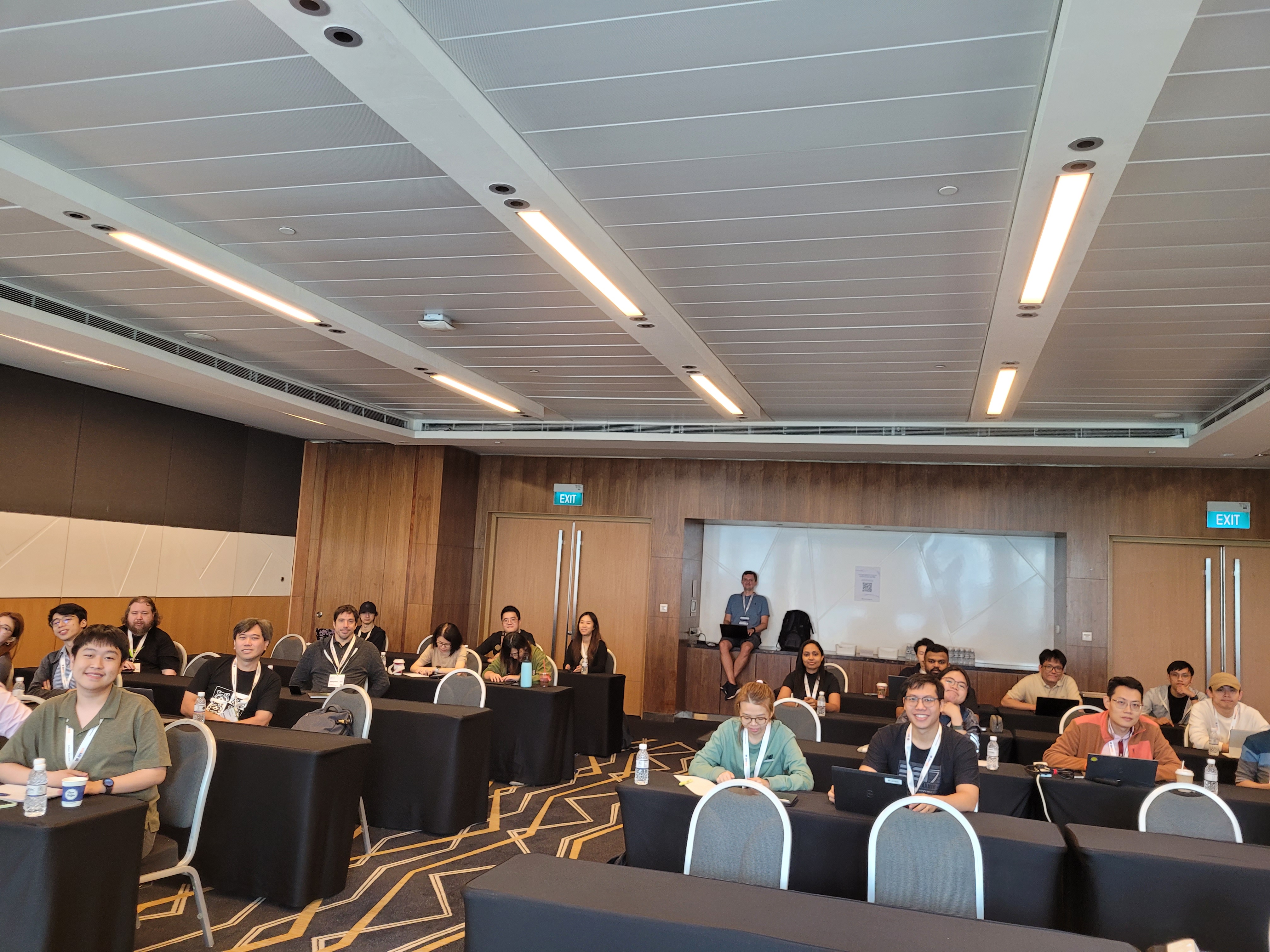
Last week, I had the wonderful opportunity to attend and speak at DevOpsCon Singapore, an event that brought together some of the brightest minds in the DevOps and agile communities. It was an experience filled with learning, sharing, and connection, all while revisiting the vibrant city of Singapore.

My Talks at DevOpsCon

I had the privilege of delivering two talks, each centered on topics I am deeply passionate about:

  1. Mastering Test Automation: Strategies for Maximum Efficiency and Impact
    In this session, I explored how teams can elevate their test automation game to ensure faster feedback, better quality, and smarter integration into CI/CD pipelines. We discussed practical strategies, real-world examples, and tools that can help achieve these outcomes. The engagement and thoughtful questions from the audience truly made this session a delight.
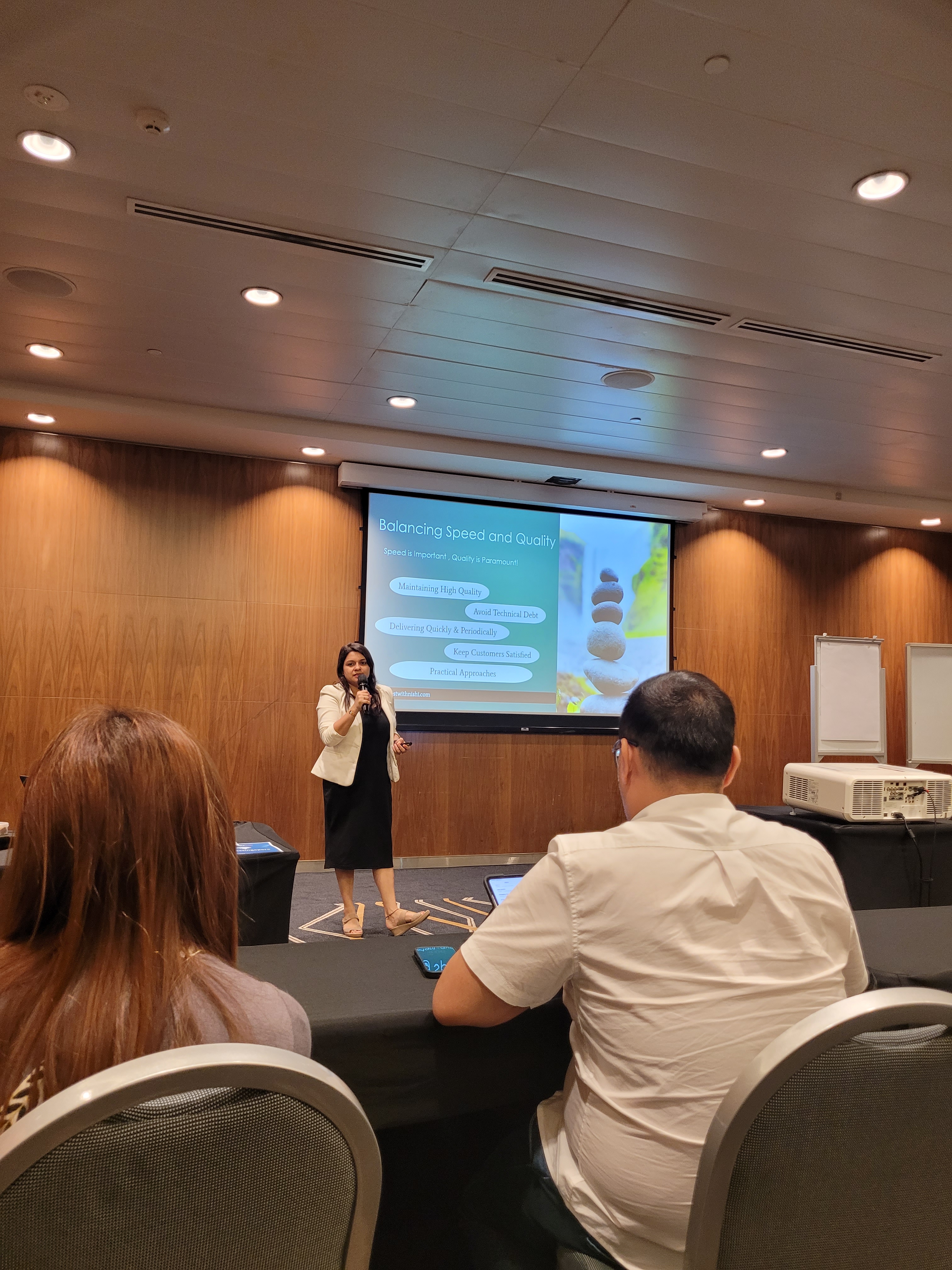
  2. Navigating the Agile Seas: Program Management in Startup Waters
    This talk was all about managing the unique challenges faced by agile teams in fast-paced startup environments. I shared insights and anecdotes from my own experiences, focusing on strategies for balancing speed with quality, fostering collaboration, and keeping teams aligned with business goals amidst chaos.

Both sessions were well-received, and I was deeply encouraged by the feedback and conversations they sparked. Knowing that my insights resonated with the attendees is always a humbling experience.

The Power of Learning and Collaboration

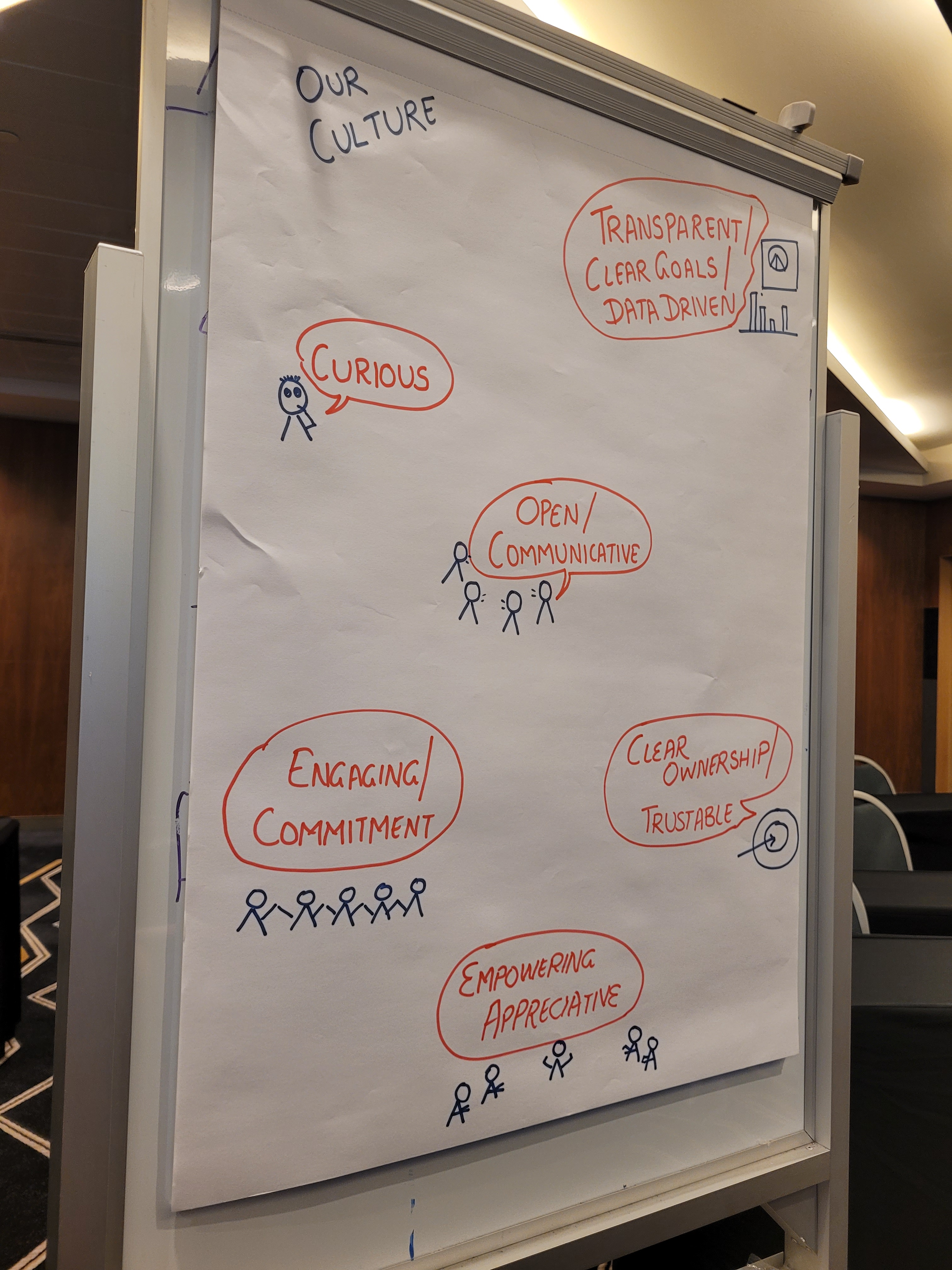
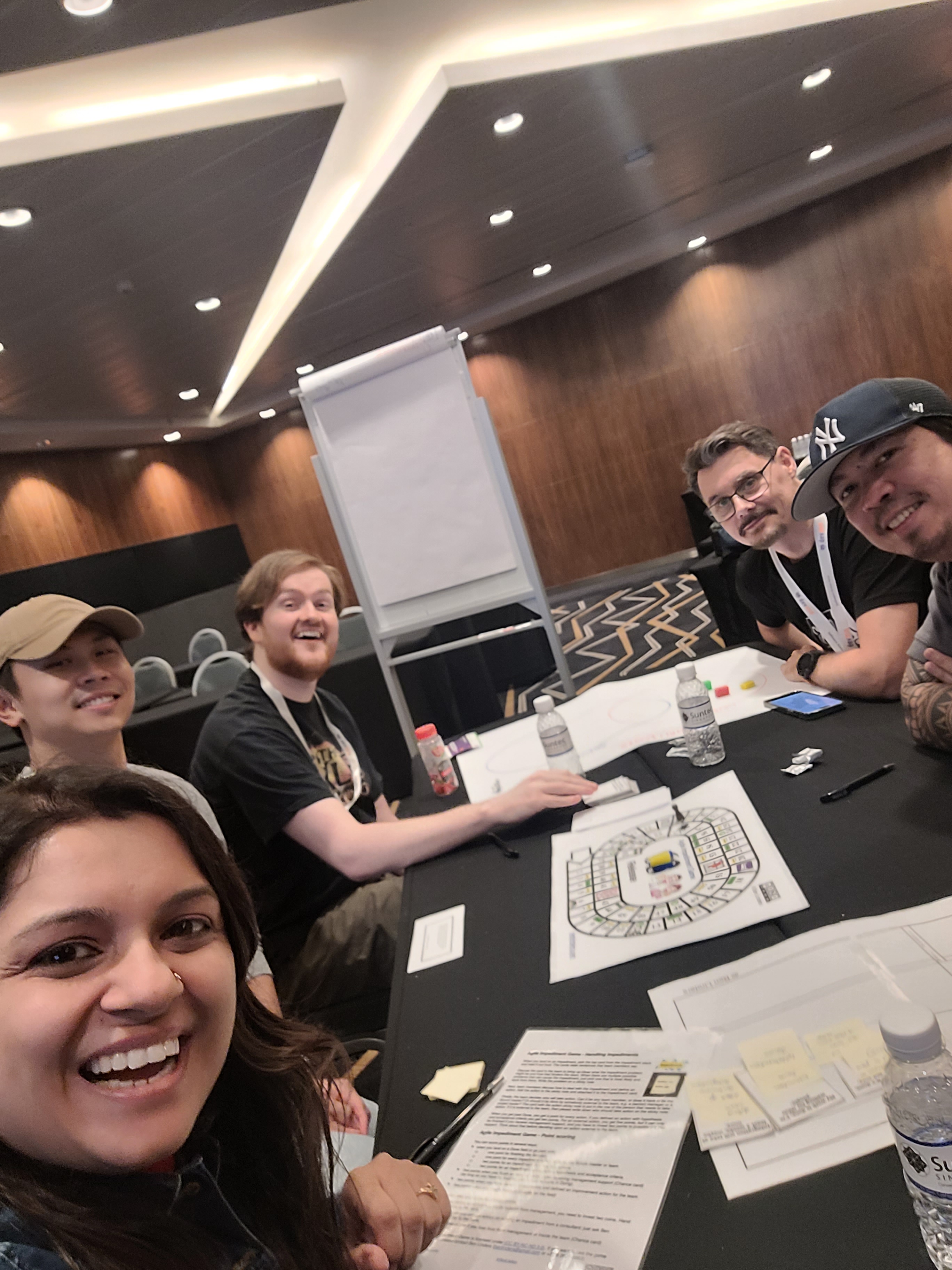
One of the highlights of the event was attending Ben Linders‘ workshop on Agile Teams Gamification. The session was not just informative but also incredibly interactive, showcasing how gamification can be a powerful tool to foster team collaboration and innovation. The exercises and insights were eye-opening, and I’m already thinking of ways to incorporate some of these ideas into my own work.

Workshops like these remind me of the endless possibilities for learning and the value of sharing knowledge within a community. It’s moments like these that inspire us to challenge conventional thinking and embrace fresh perspectives.

Reflections on the Event

Events like DevOpsCon are a testament to the power of tech communities. From engaging discussions with fellow speakers and attendees to exploring ideas that can reshape the way we work, the experience was nothing short of invigorating.

Beyond the technical learnings, it was also about connecting with people—whether it was hearing about their challenges, sharing stories over coffee, or simply realizing how much we all have in common in our pursuit of excellence.

Gratitude and Looking Ahead

I’m immensely grateful for the opportunity to represent my ideas on such a global stage, and for the chance to learn from some of the best minds in the industry. Sharing my knowledge, while also growing from the knowledge of others, is what drives me to keep pushing forward.

Here’s to more opportunities to learn, share, and grow together! If you attended the event or my talks, I’d love to hear your thoughts and continue the conversation.

#DevOpsCon #AgileLeadership #ContinuousLearning #Grateful #TechCommunities

I am speaking at DevOpsCon, Singapore

I am elated to share that I have been invited to speak at DevOpsCon, SIngapore – an event by devmio. This event is known for its power workshops, practical learning avenues and networking with international community of Agile & DevOps enthusiasts, I am excited to be presenting not one but 2 sessions – one focused on Agile Delivery and another on Test Automation Strategies!

The conference offers 4 full days of learning in the form of sessions, keynotes and workshops, with options to attend in-person or online – here is the full program https://devopscon.io/singapore/program-singapore/

As I prepare for the sessions and my travel, I am also looking for recommendations and ideas for things to include in these sessions. Please share your thoughts and suggestions on what you would like to be included in these topics – here are the details of my sessions:


Navigating the Agile Seas: Program Management in Startup Waters

Agile teams in startups can be in a constant state of flux, and creating harmony there requires mastering adaptive leadership techniques, relooking at processes and leaning them out to suit the needs of the teams. In this session, we will dissect the intricate dance of leading software delivery in startup agile teams, and discover actionable strategies for navigating the complexities of program management in fast-paced environments. Program and engineering leaders will gain valuable insights into aligning team efforts with business goals while maintaining agility and high-quality standards.

By the end of this session, you will:​

  • Gain insights into adaptive leadership techniques tailored for startup agility.
  • Learn practical approaches to balance speed and quality in software delivery.
  • Explore effective methodologies for orchestrating agile programs in dynamic startup ecosystems
  • Navigating the Agile Seas: Program Management in Startup Waters

Mastering Test Automation: Strategies for Maximum Efficiency and Impact

In today’s fast-paced development cycles, effective test automation is essential for delivering high-quality software at speed. This talk will guide you through selecting the most impactful test automation strategies by focusing on aligning with business goals, ensuring scalability, and optimizing test coverage. Attendees will learn how to prioritize which tests to automate, choose the right tools, and create a balanced approach that maximizes efficiency while minimizing maintenance overhead.

Grateful for the opportunity to share my word with the community, and looking forward to travelling the world!

See ya there!

Cheers,

Nishi

Using Examples of Successful Brands to Overcome Team-Building Issues

Building a business from the ground up can be challenging but rewarding. Although it can take patience to develop unique products and services while surrounding yourself with talented individuals, most businesses that put in the work can see positive increases in their revenue streams and profitability.

However, one of the most important things to get right when running a business is having a dedicated team of employees willing to go the extra mile. Still, this isn’t easy for businesses to master. As organizations begin to scale, most feel certain constraints that can negatively impact productivity and potentially stall growth efforts.

To overcome these issues successfully, businesses should adopt a resilient attitude in adapting to changes in their operations while looking for better ways to collaborate and improve their teams’ capabilities. In fact, there are some great examples businesses can learn from some of today’s top brands that have already done the same.

Common Team-Building Roadblocks Businesses Face

As businesses begin to grow, they often experience certain challenges that can test their ability to remain resilient. Many of these challenges can materialize internally, with employees beginning to struggle to keep up with changes or maintain the same level of enthusiasm they once had.

This often creates inevitable roadblocks, making it hard for a business to move forward. Some of the common team-building challenges that can surface include:

Poor Communication Practices

A good majority of businesses put a lot of effort into ensuring they maintain healthy levels of communication with their employees. Still, many organizations experience highs and lows when it comes to how well departments collaborate with one another.

One of the common working formats for many businesses today is having a decentralized workforce. While allowing this level of flexibility in employee scheduling and working location can be highly convenient, it can often result in information silos, with only certain teams having the information necessary to manage projects effectively.

Fragmented communication in a business can severely harm its progress. Just as electricians and plumbers must work closely with contractors to ensure bathroom remodels, or living room expansions go smoothly in home renovation projects, businesses must prioritize transparency between their departments to succeed.

Loss of Trust From Employees

Employees need to respect their employer to feel confident enough to give 100%. However, to develop respect, employees need to trust their leadership teams and feel valued more than just another number in the organization.

Although trust can be difficult to earn, especially in the early stages of an employee’s tenure, it can easily be lost. Unfortunately, when a company puts the majority of its focus on developing new revenue streams and maximizing profitability, it can start to lose focus on developing strong relationships with employees.
When employees begin to lose trust in their employers, it can often lead to negative attitudes that can quickly start to degrade the company culture. This makes it much harder to keep employees and attract new talent.

Unclear Company Purpose

Simply increasing revenue doesn’t mean a business can or will be successful. As a business grows, it becomes increasingly more difficult to maintain alignment with initial business objectives, leading to a disorienting state that can negatively affect operational efficiency.

As company departments begin losing their cohesion, this can damage a business’s long-term sustainability. Many times, these issues might be subtle at first, with employees forgetting about their primary responsibilities or missing a few deadlines. However, over time, these seemingly minor issues can become a much larger issue.

Resistance to Change

For many people, change isn’t something that is easy to accept. While it’s easy for businesses to say that they’re “OK with change” or “willing to improve their processes,” the reality is usually much different.

Change can make many individuals uneasy, especially when it means leaving a certain comfort zone. This can apply to both business leaders and employees who are tasked with updating their workflows or shifting their daily priorities.

However, having too much resistance to change can be a major roadblock for organizations that want to grow. Leadership teams clinging to outdated sales strategies or having too many employees who don’t feel the need to learn and develop their skills can make a business stagnant and eventually start moving in the wrong direction.

Successful Companies That Have Managed to Overcome Leadership Issues

Read More »

My Experience Speaking at DevOpsCon, Berlin (June 2024)

Just back from the big trip! And catching a moment to jot down my experiences in Berlin!
I was invited by DevOpsCon to present at the Berlin event in June 2024, which turned out to be a fantastic event!

Apart from the hurried visa process and the last minute preparations, the travel went smoothly. Being my first ever event in Europe, I was elated and honored to have the opportunity to speak at this massive event!

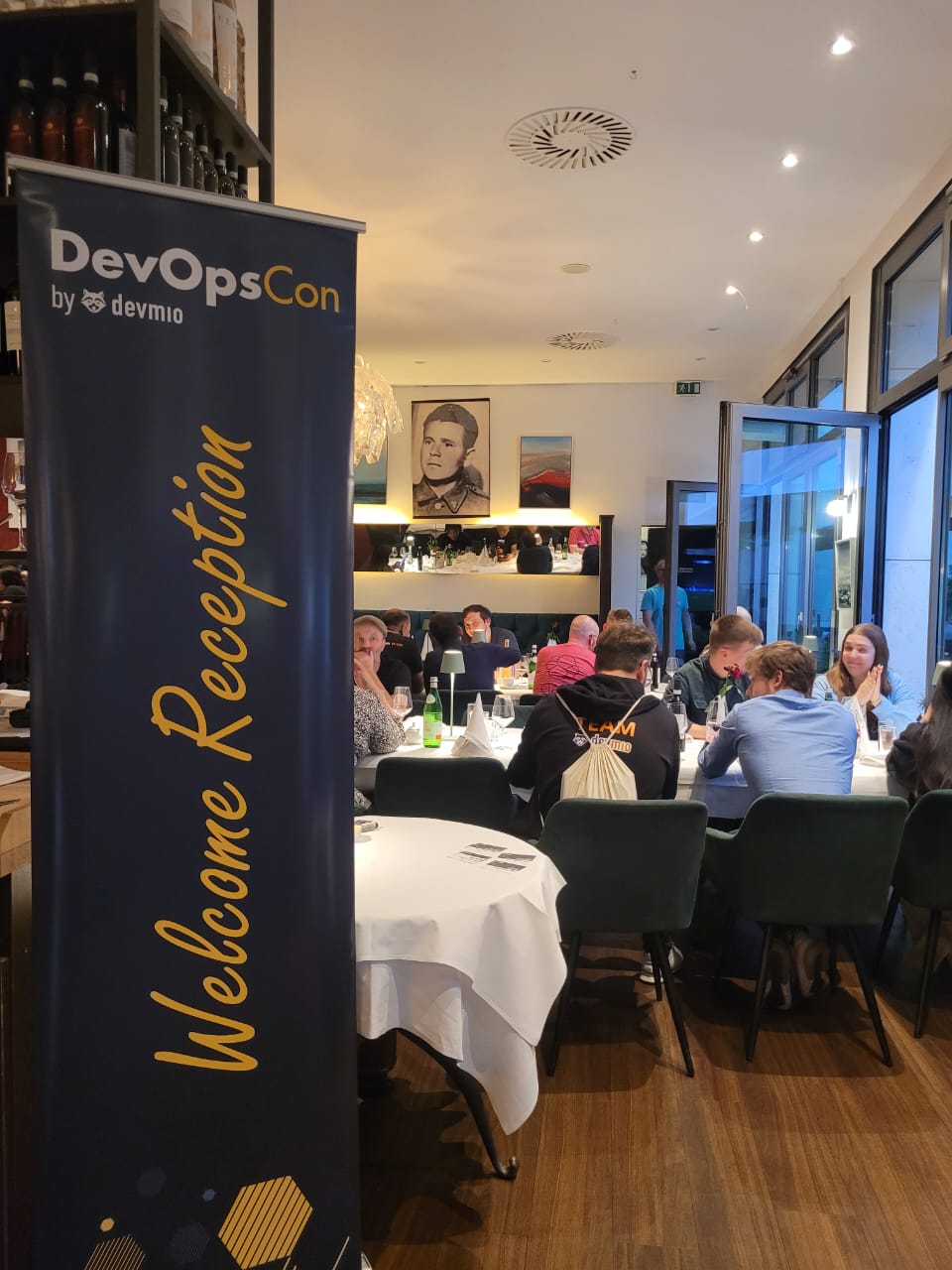
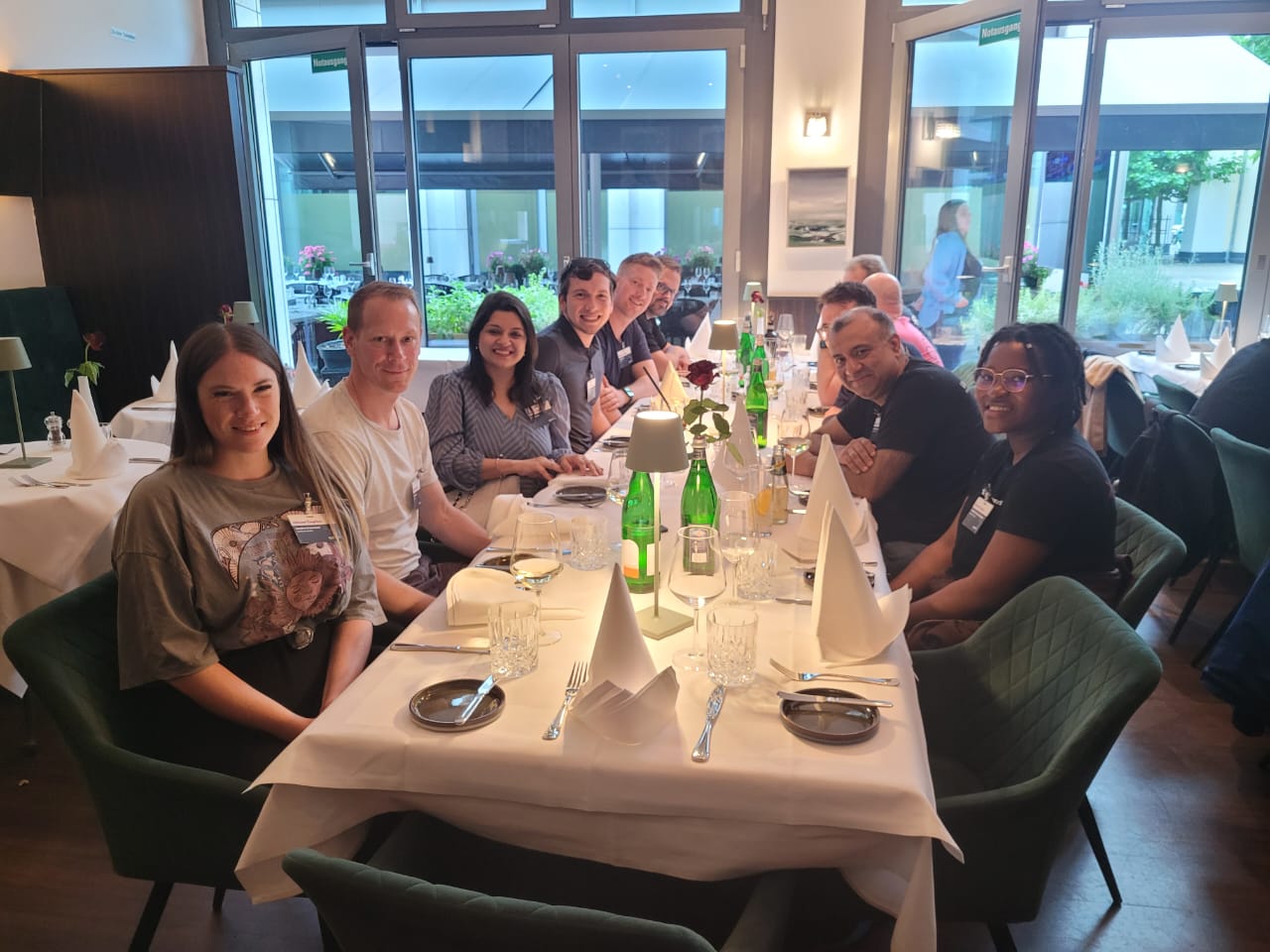
The organizing team had invited us to a welcome dinner on the initial day of the conference, which was a great way to meet other speakers and make some connections! Our conversations turned evening to night and we connected over work, career, challenges, travel and much more!

The day of the event arrived with lots of excitement & nerves. It sure was a grand setup and well managed by the tireless team from Devmio.

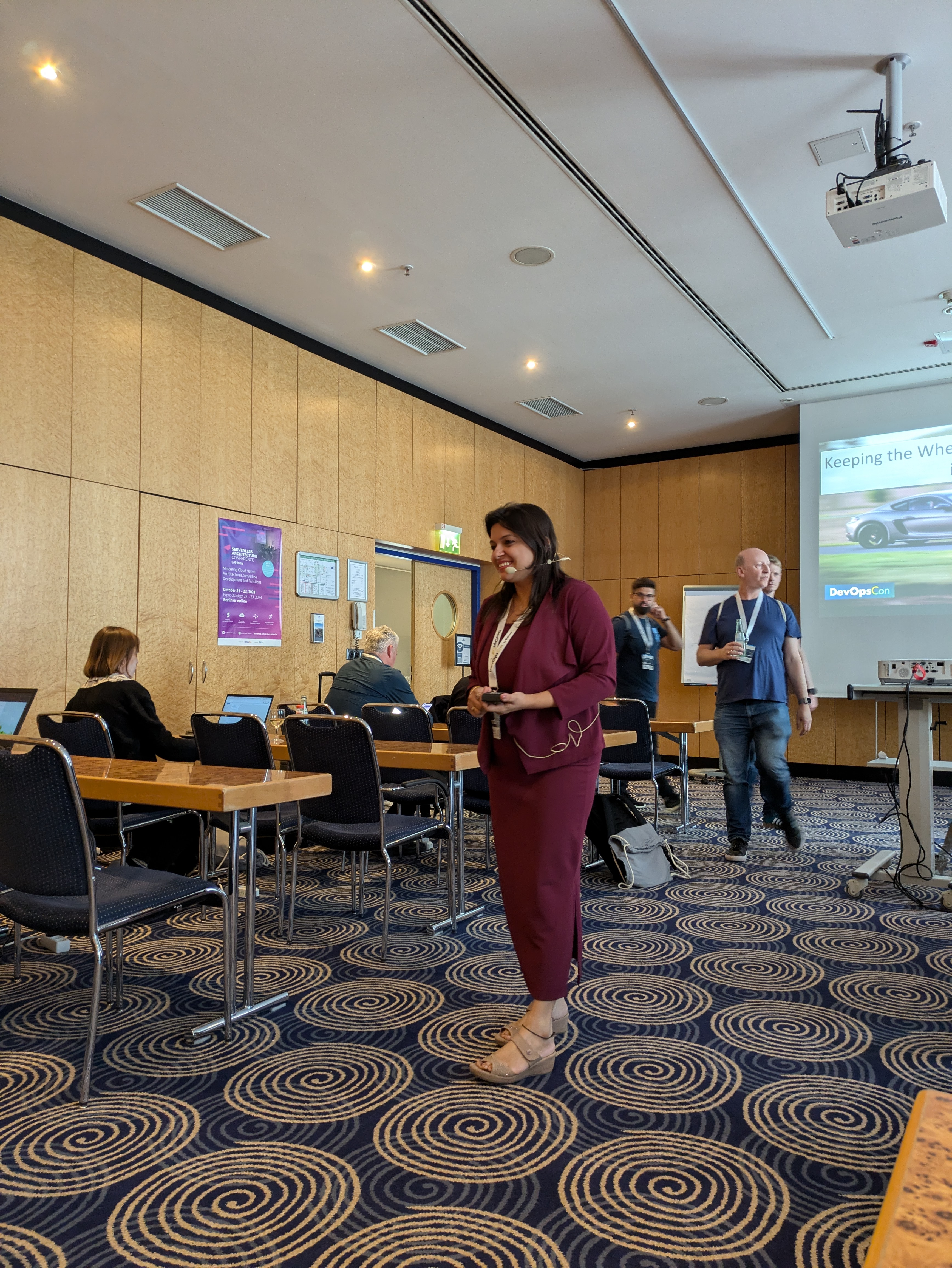
My session was titled “Keeping the Wheels of Continuous Testing in Motion“, and saw attendees from various countries and a variety of tech contexts! The session went well and had some great engagement from the attendees in form of questions and discussions and some nice feedback at the end.

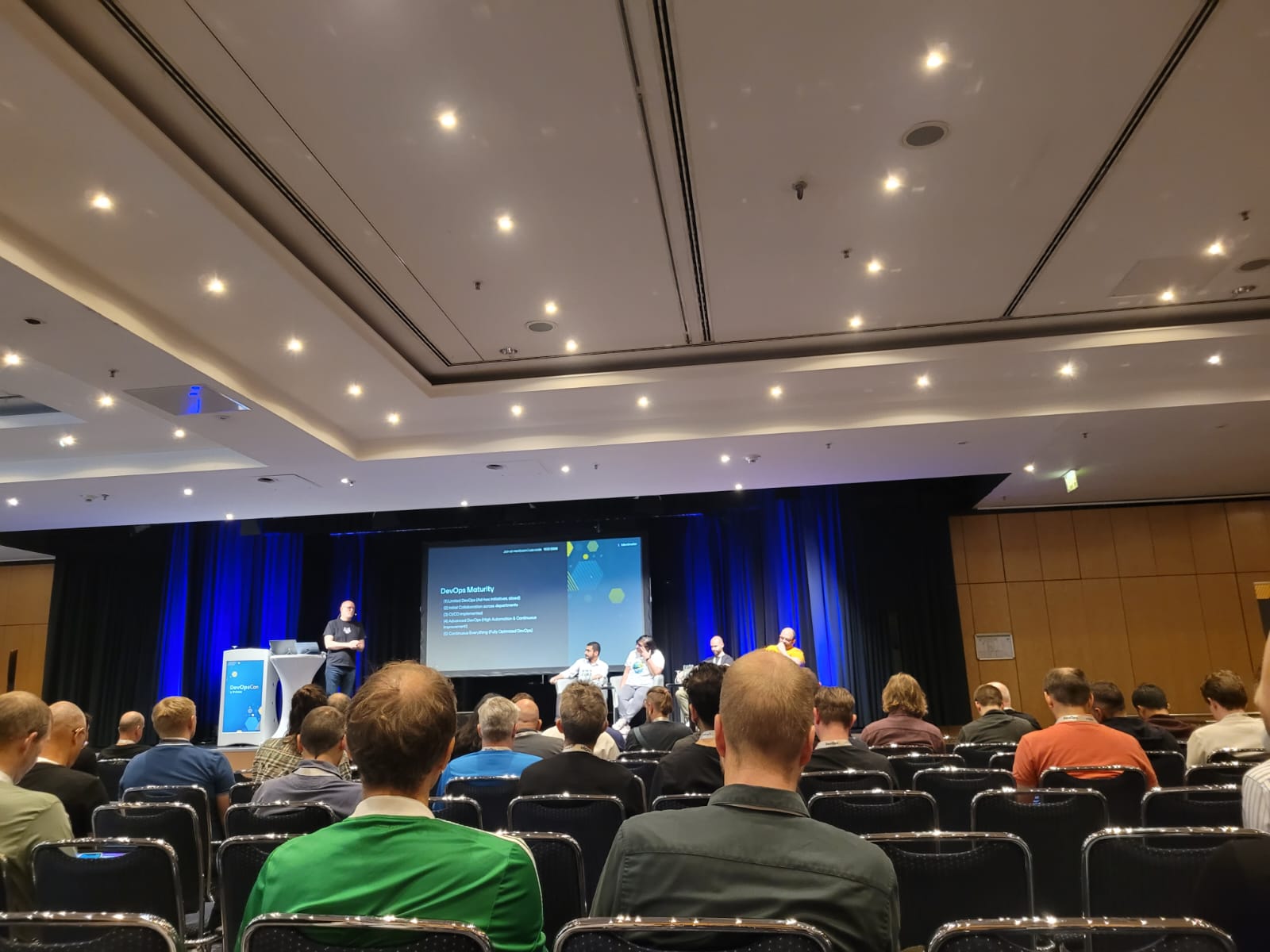
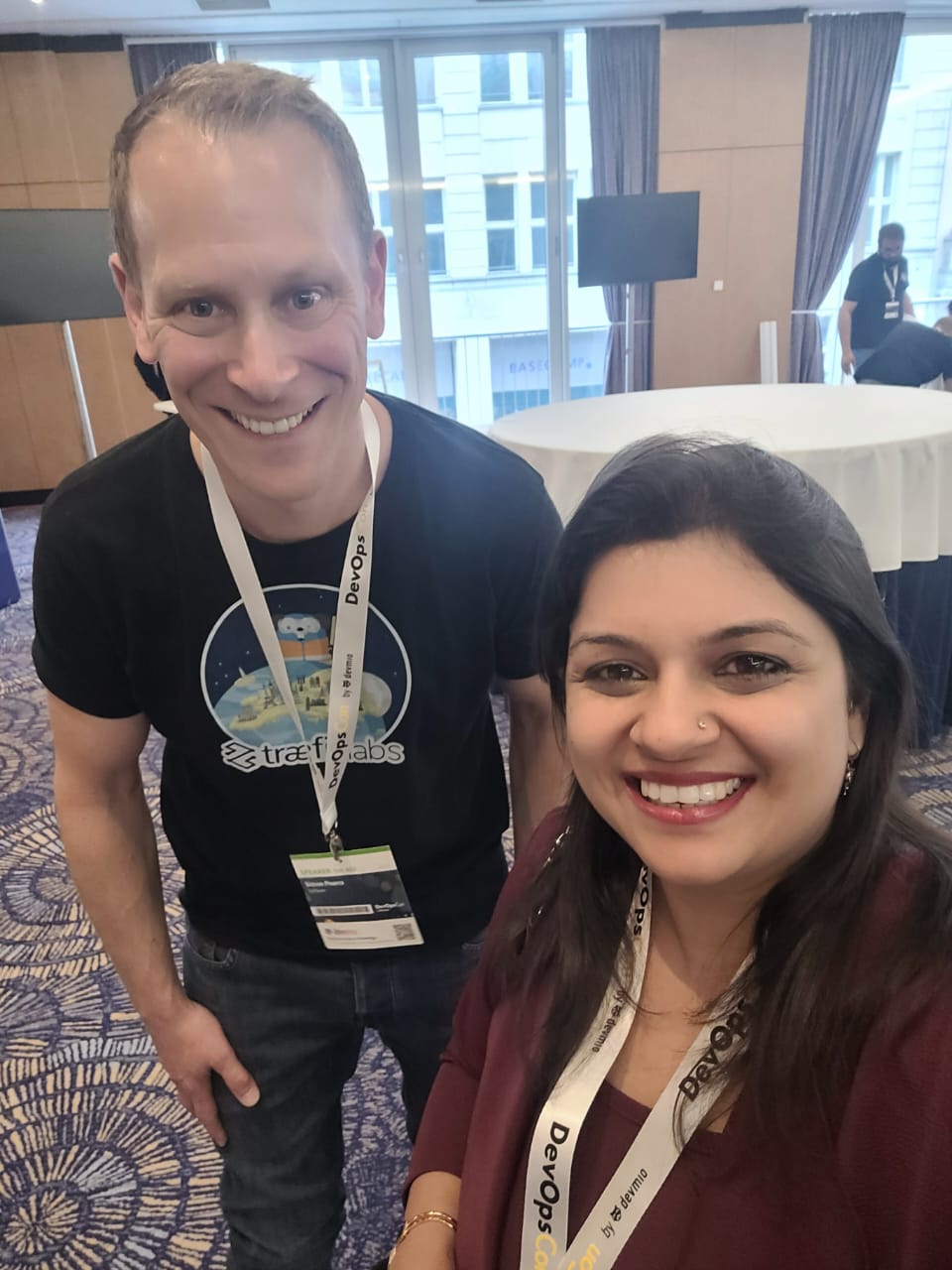
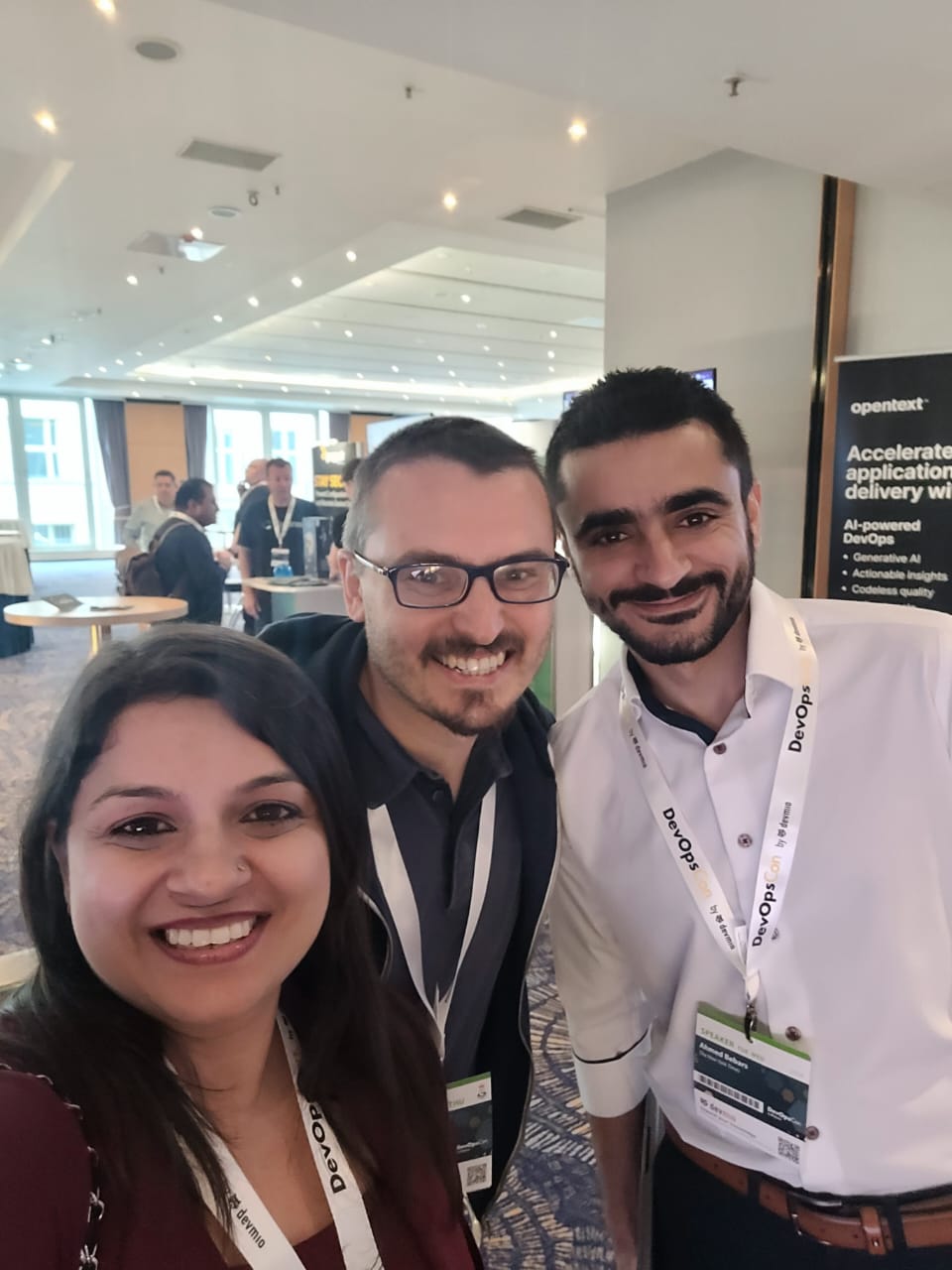
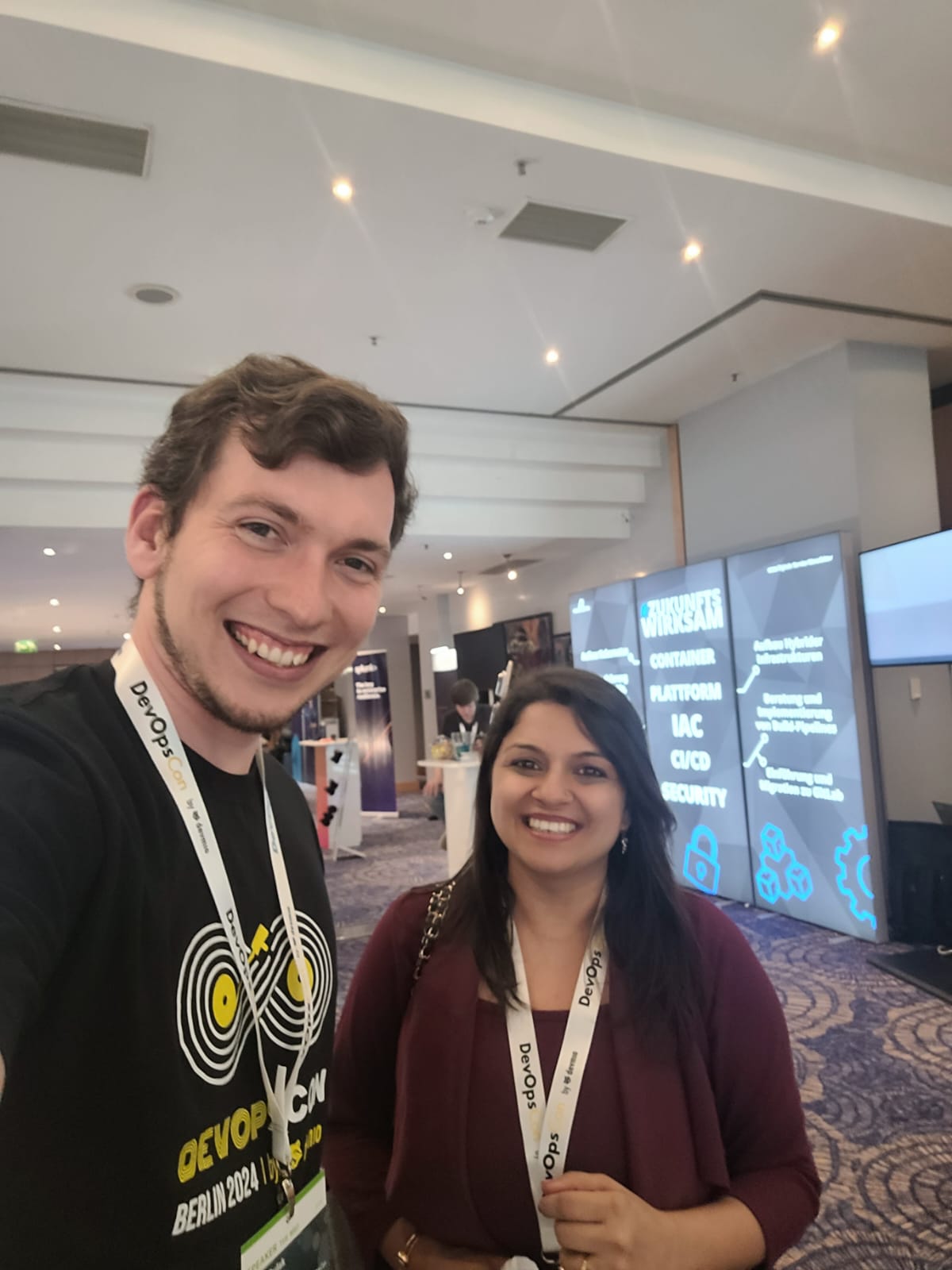
Here is me meeting up with fellow speakers, catching the keynotes and networking with the delegates. Had some great conversations with my friends Simon Pearce, Martin Dulak, Nikhil Barthwal, and my fellow other female speaker at the event Almudena Vivanco !

It is insightful to hear from such varied personalities and humbling to be a part of such a world-class lineup of speakers! I am proud to be the only speaker to be invited from India, and one of 2 female speakers at the event!

Overall, this was a great experience. It not only gave me a chance to meet such wonderful people all under one roof, but also provided me the opportunity to travel to another amazing city- Berlin!

Thanking the event team Mirjam Kuhlmann, Robin Schoen and the entire DevOpsCon team!

This event will always hold a special place in my heart.

Cheers,

Nishi

Is Test Automation Alienating Your Business Testers?

With numerous test automation tools and frameworks available today, many in the software testing industry are focused on learning them all. It is important to stay updated with new technology. But are testers losing something in the race to become more technical and equipped with automation skills?

In my article published at TestRail blog, I examine ways to see if your test automation is becoming so technical and code-intensive that it’s in danger of alienating the subject-matter expert testers who best know the core of your business?

Technology should serve people

It is important to understand and remember that test automation tools have been designed to make testers’ lives easier and better. They are not intended to replace testers or overpower them. They make tests execute faster, with more accuracy and fewer errors, so if they eliminate anything, it is redundancy and repetitive work. This technology is meant to serve testers — to save their time and effort and give them more freedom.

To this end, the first intent behind adopting any technology must be its fitness for use in the project, not its popularity in the market. The skills needed to adopt the tool and begin using it in the project should be easily obtained by hands-on learning or training. Read full article ->

Testing is creative

Testing is a creative job, and it always has been. The advent of new tools and technology has not changed this fact. Tools can do part of a tester’s job, but they still cannot test. Although some people may argue on behalf of artificial intelligence and machine learning that can take over many actively creative aspects, we are not there yet. We still want and need a human to capture the creative tests, discuss the pros and cons of design aspects, peer-review test cases, and report problems.

Everyone can contribute to test automation

When we look at testers’ resumes, the tendency is to look for tools they can work with. But the more important skill we need is their ability to contribute to test automation in one way or another. We cannot judge this fact just by asking if a person is able to write test automation scripts or knows a certain programming language. They may be able to learn the Gherkin format to design and write feature files for Cucumber tests. Or if you decide to adopt a keyword-driven framework, they could pick up the keywords and begin writing tests so that the same test cases can double as test scripts.

Read More »

Read Along- ‘Agile Testing’ Chapter-8

“Business-Facing Tests that Support the Team”

A look at tests in Quadrant-2 – Business-Facing tests

Agile Testing Quadrants
  • On an agile project, the customer team and the development team strike up a conversation based on a user story.
  • Business-facing tests address business requirements. They express requirements based on examples and use a language and format that both the customer and development teams can understand. Examples form the basis of learning the desired behavior of each feature and we use those examples as the basis of our story tests in Quadrant-2
  • Business-facing tests are also called “customer-facing”,”story”,”customer” and “acceptance” tests. The term ‘acceptance tests’ should not be confused with ‘user acceptance tests’ from Quadrant-3.
  • The business-facing tests in Q-2 are written for each story before coding started, because they help the team understand what code to write.
    • Quadrant-1 activities ensure internal quality, maximize team productivity, and minimize technical debt.
    • Quadrant-2 tests define and verify external quality and help us know when we are done.

The customer tests to drive coding are generally written in executable format, and automated, so that team members can run the tests as often as they like to see if functionality works as desired.

  • Tests need to include more than the customer’s stated requirements. We need to test for post-conditions, impact on the system as a whole, and integration with other systems. We identify risks and mitigate those with our tests. All of these factors then guide our coding.
  • The tests need to be written in a way that is comprehensible to a business user yet still executable by the technical team.
  • Getting requirements right is an area where team members in many different roles can jump in to help.
  • We often forget about non-functional requirements. Testing for them may be a part of Quadrants 3 and 4, but we still need to write tests to make sure they get done.

There are conditions of satisfaction for the whole team as well as for each feature or story. They generally come out of conversations with the customer about high-level acceptance criteria for each story. They also help identify risky assumptions and increases team’s confidence in writing & correctly estimating tasks needed to complete the story.

  • A smart incremental approach to writing customer tests that guide development is to start with a “thing-slice” that follows a happy path from one end to the other. (also called a “steel-thread” or “tracer-bullet”). This ‘steel-thread’ connects all of the components together and after it’s solid, more functionality can be added.
  • After the thin slice is working, we can write customer tests for the next chunk.
    • It’s a process of  “write tests — write code— run tests — learn”
  • Another goal of customer tests is to identify high-risk areas and make sure code is written to solidify those.
  • Experiment & find ways your team can balance using up-front detail and keeping focused on the big picture.

Quadrant-2 contains a lot of different types of tests and activities. We need the right tools to facilitate gathering, discussing, and communicating examples and tests.

>>Simple tools such as Paper or Whiteboard work well for gathering examples if the team is co-located.

>>More sophisticated tools help teams write business-facing tests that guide development in an executable, automatable format.

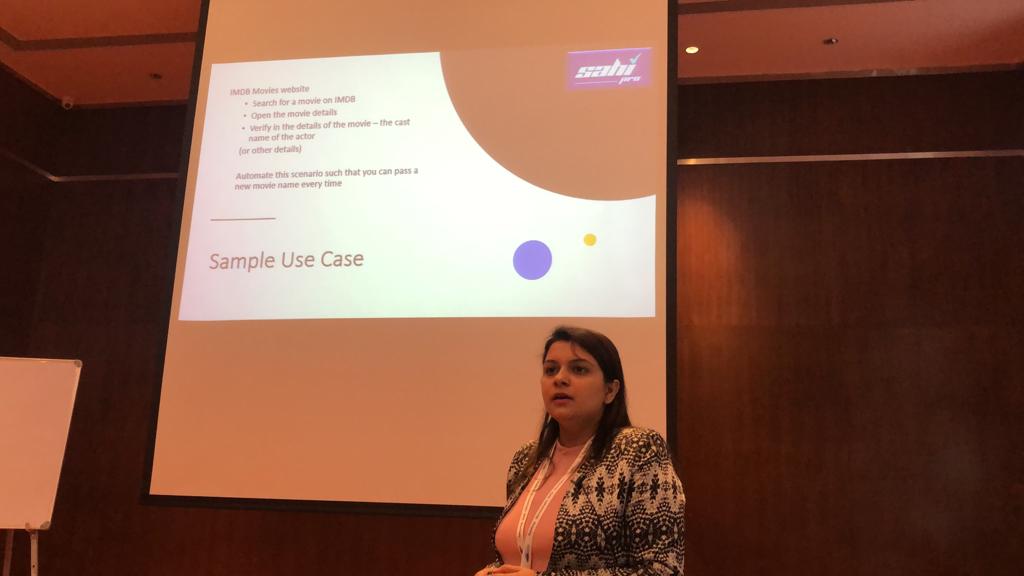
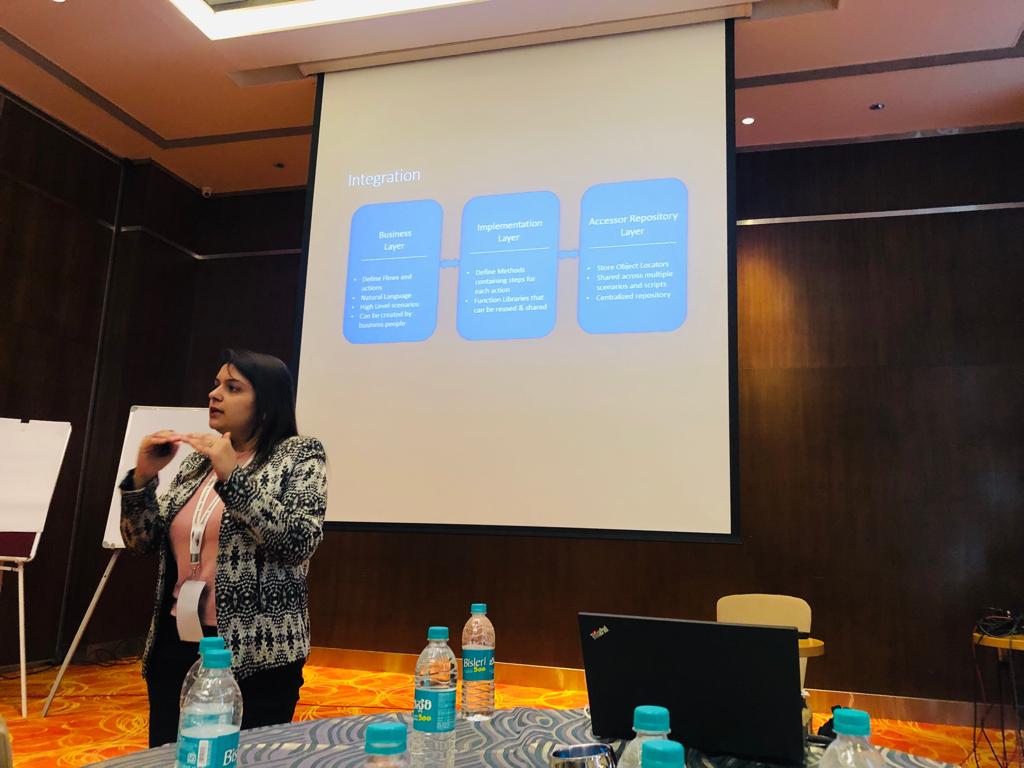
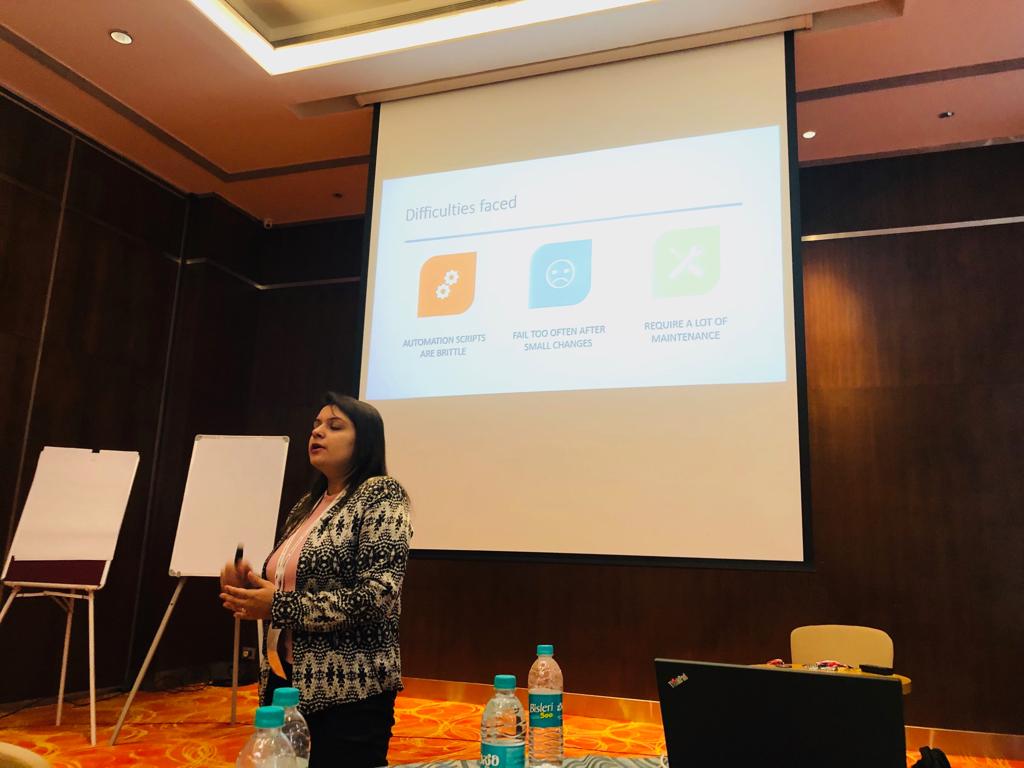
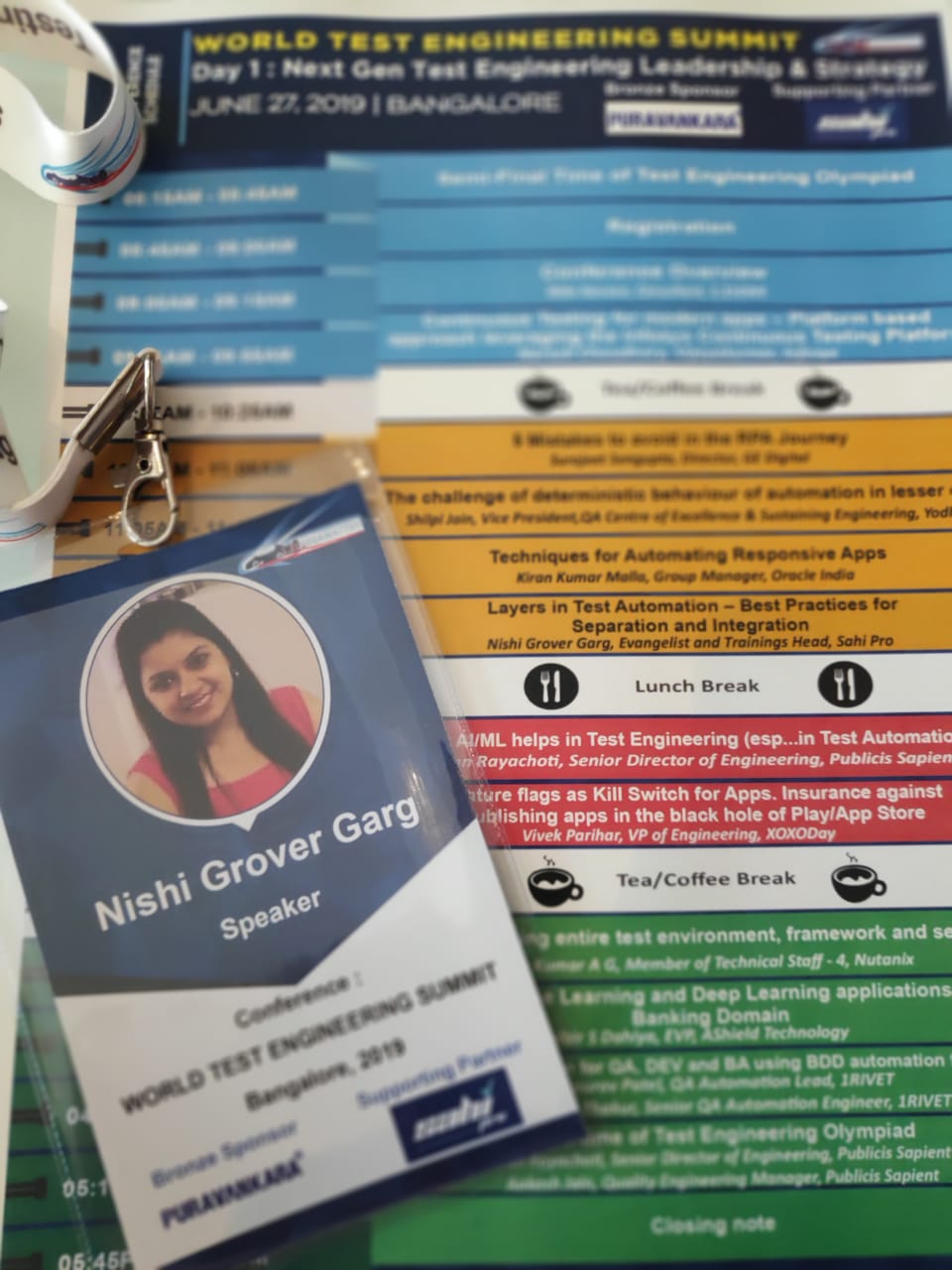
My Talk & Sahi Pro Booth @World Test Engineering Summit

I got a chance to present a talk at the World Test Engineering Summit organised by 1.21GWS @ Bangalore last week and it sure was a great opportunity! My talk title was

“Layers of Test Automation” wherein I presented about test automation framework creation and best practices on creating a sustainable framework. The talk was appreciated and I had great personal feedback and chats with many delegates.

It was amazing to share the stage with renowned speakers like Mrs. Renu Rajini, Mr. Mostafa Awadh from Egypt, Shivaji Raju , Sanjay Kumar and many more.

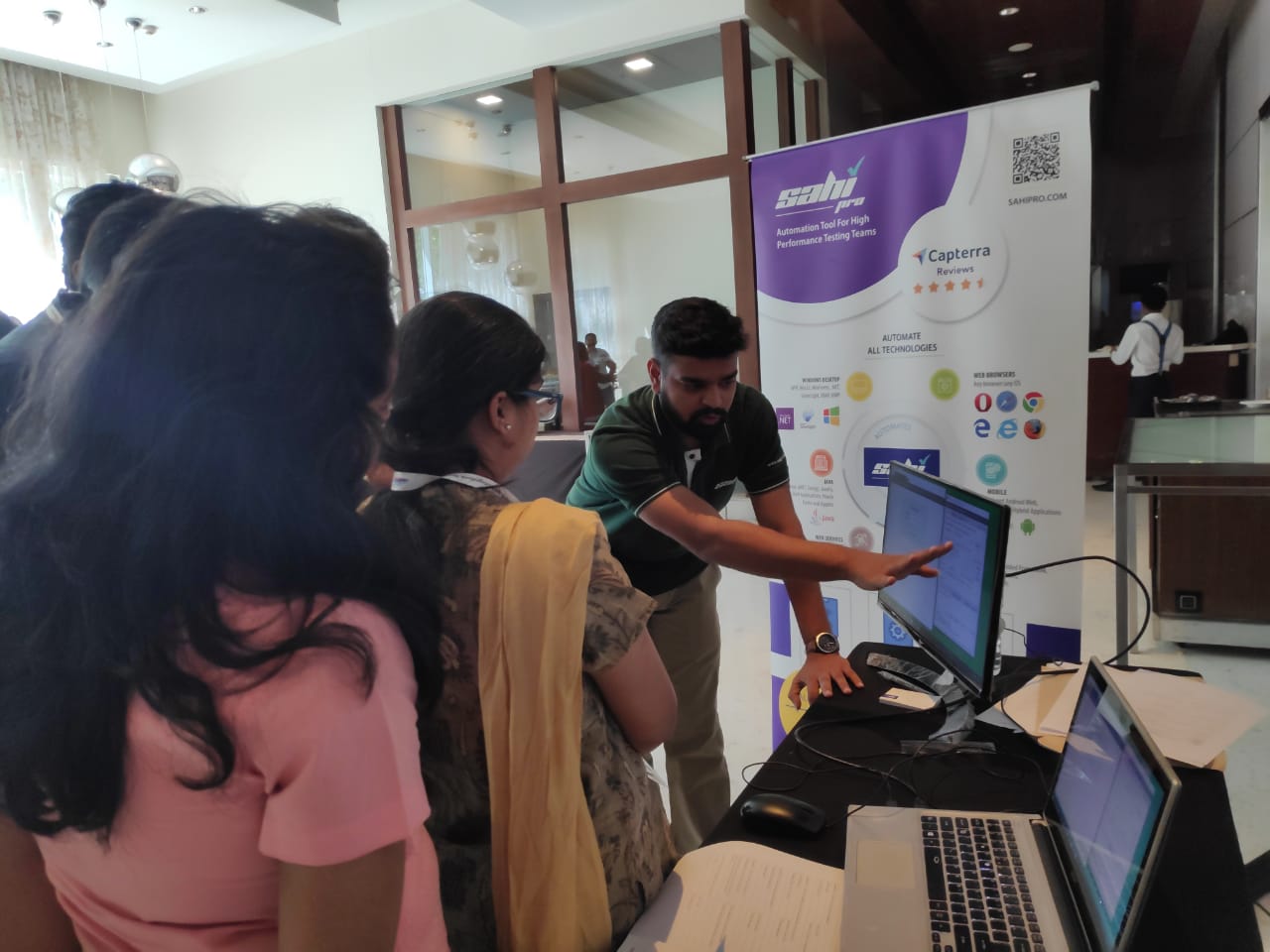
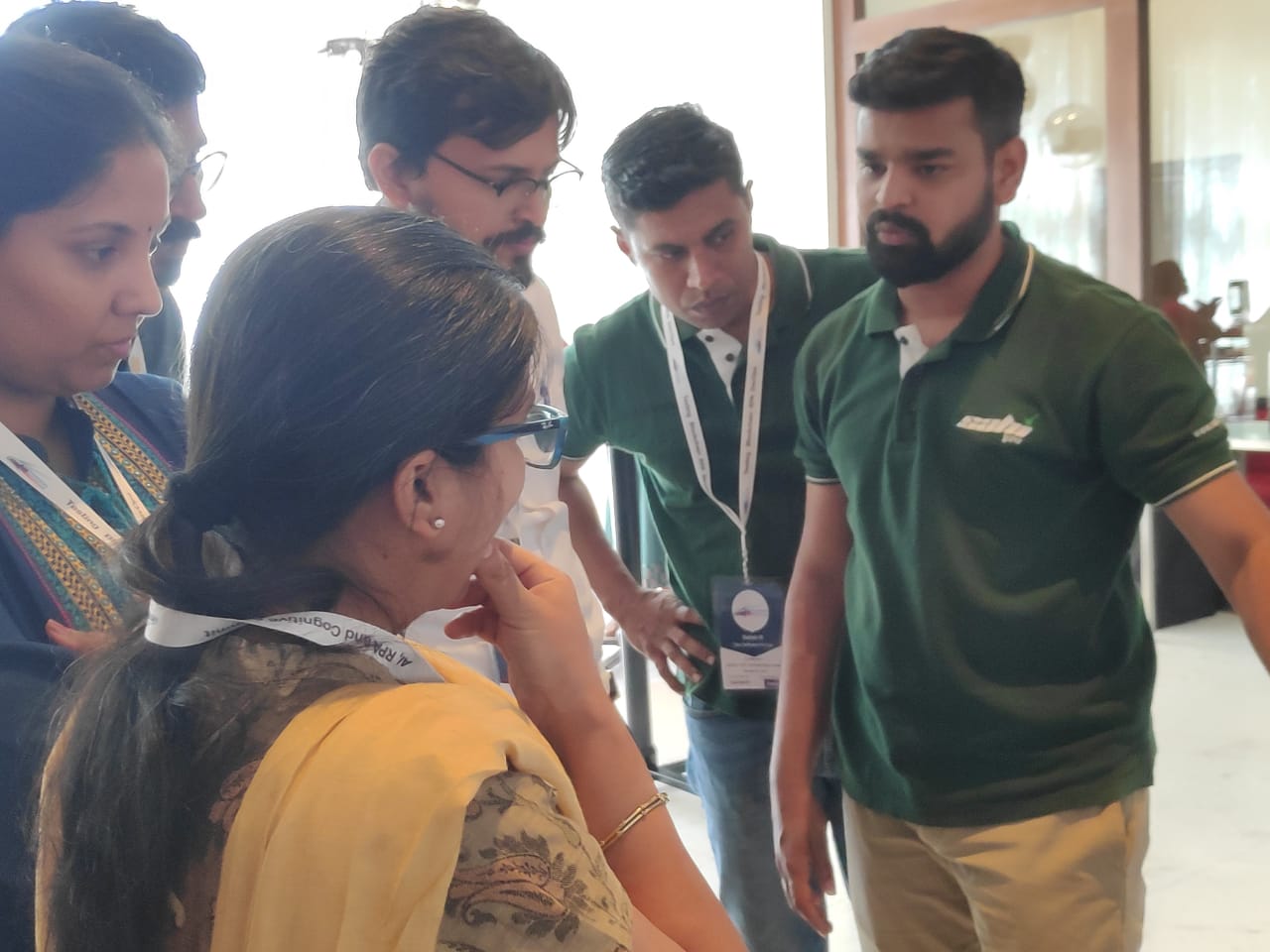
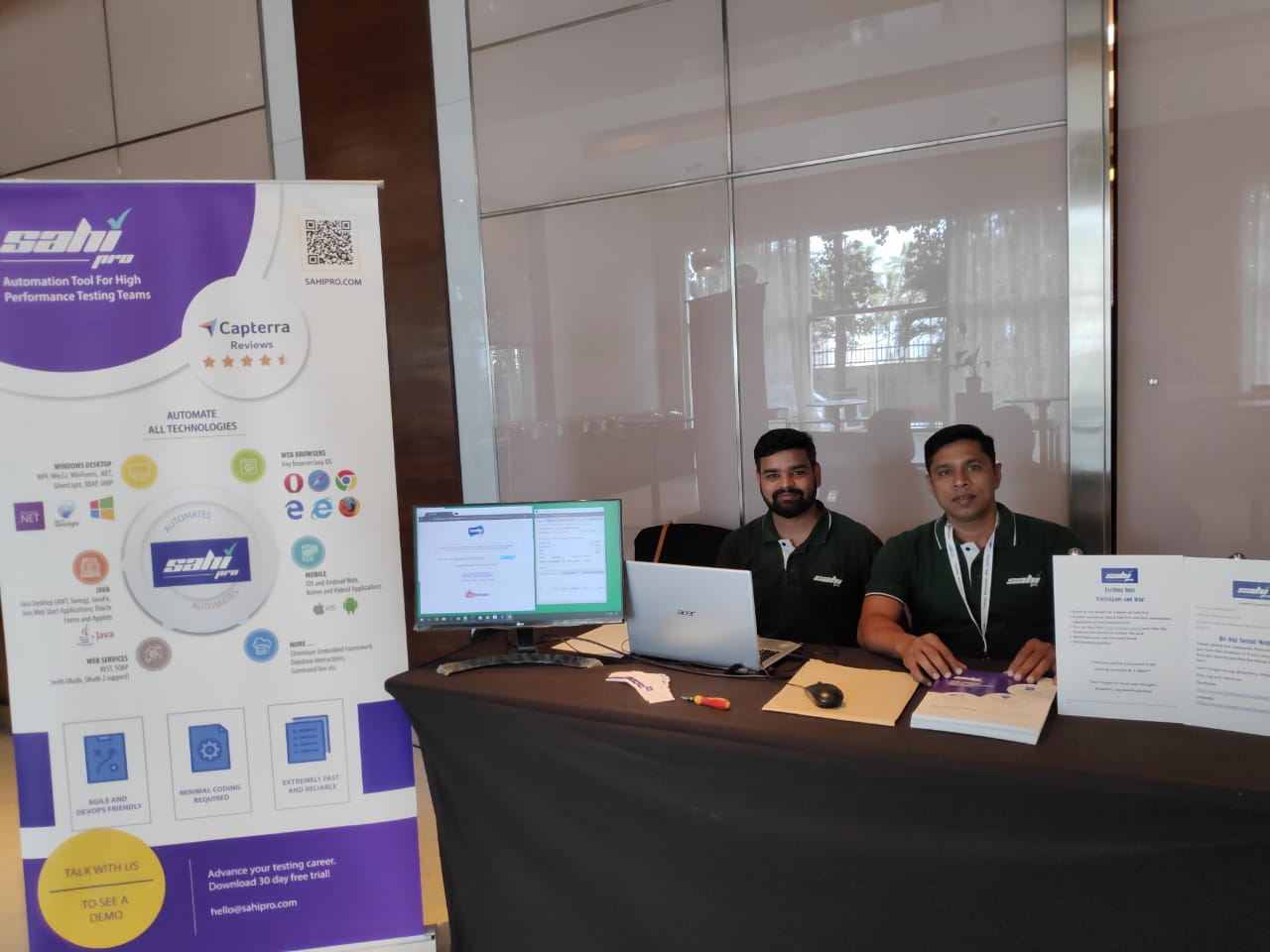
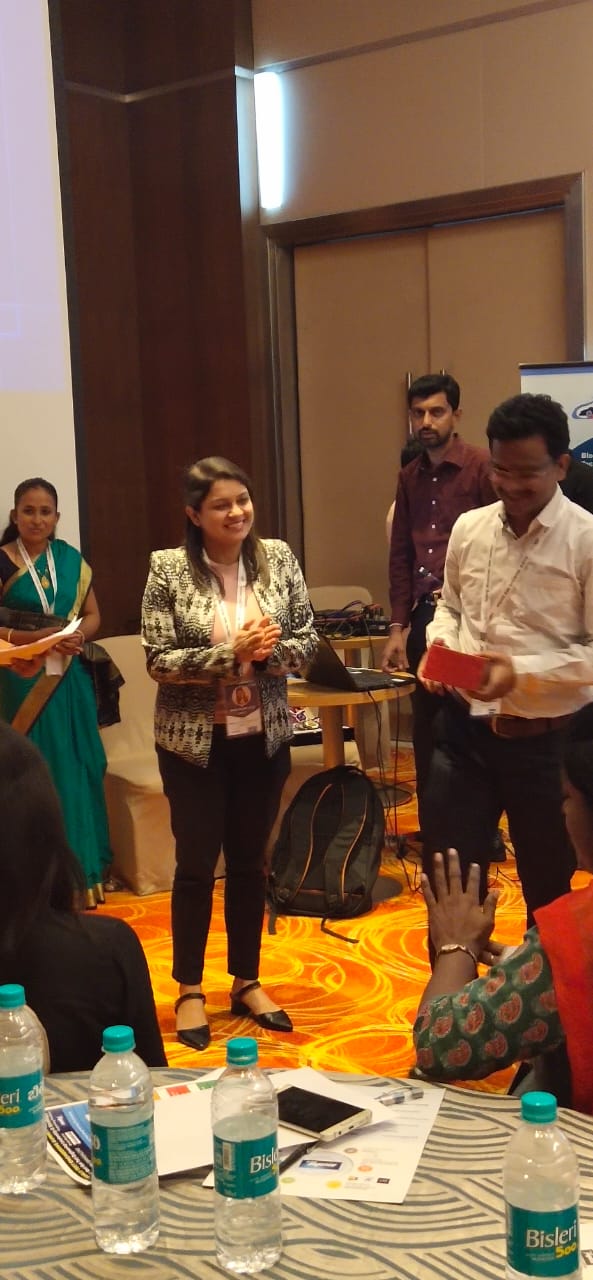
My team at Sahi Pro also decided to partner with the event and setup a demo booth, where my colleagues Pratik and Satish showcased an informative demo of Sahi Pro tool and all of its awesome capabilities. The Sahi Pro booth was a hit, appreciated by the inquisitive participants. We also held a Quiz for people visiting the booth, and the winners were awarded with fun goodies at the end of the day!

Here is a glimpse into the event-

My Talk —

Sahi Pro Booth–

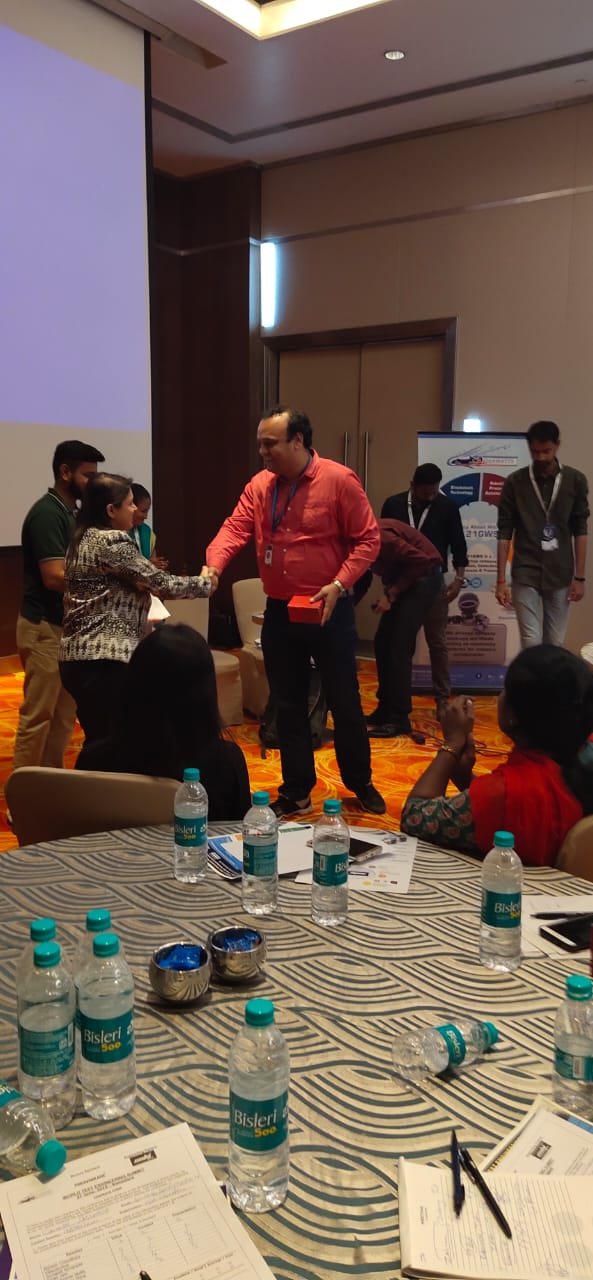
Felicitation for the Quiz Winners and honoring the organizer Nitin Naveen-

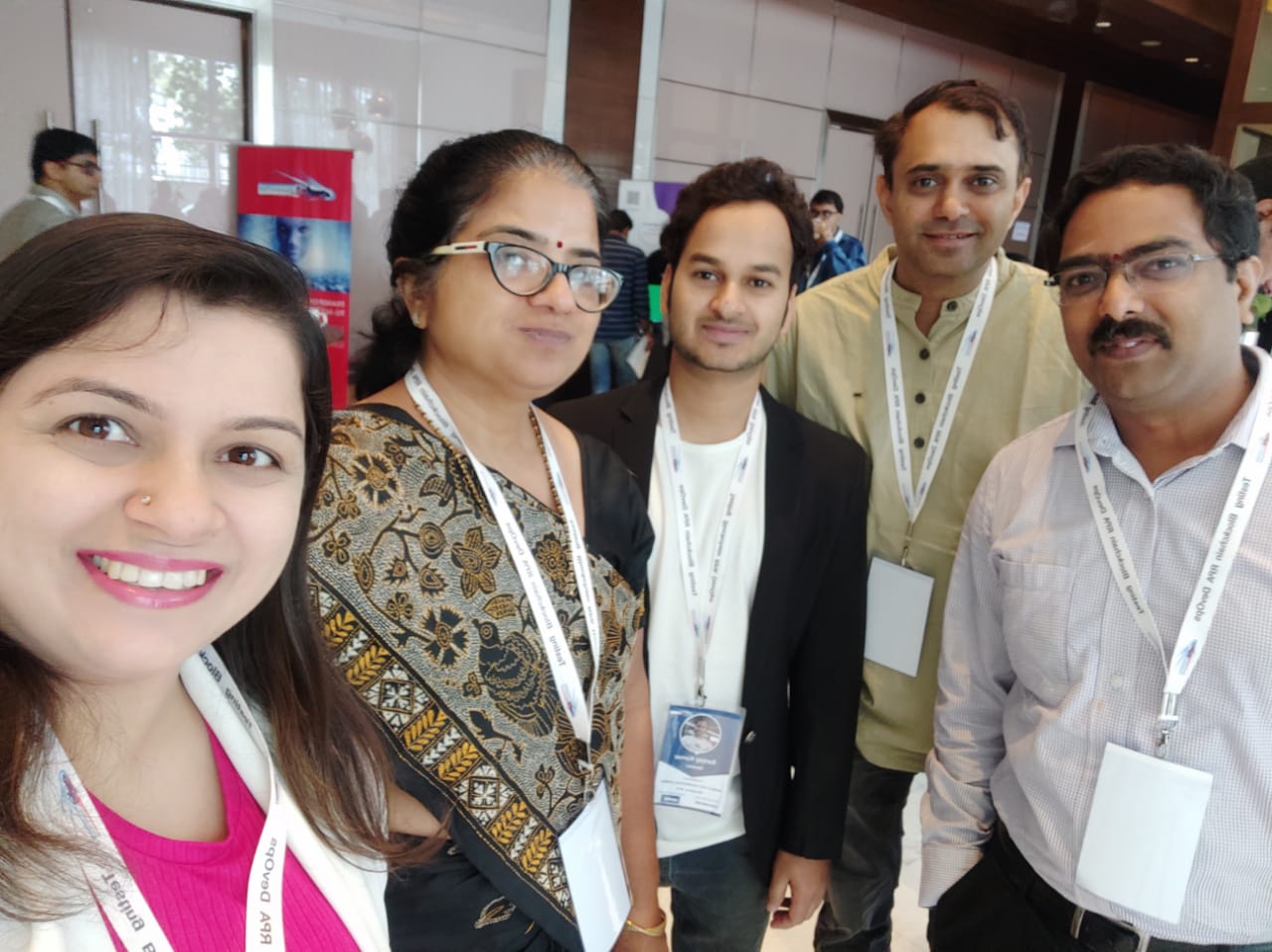
So much fun and networking–

Overall this was a great experience! We would love to collaborate with 1.21GWS again in the upcoming events!

Cheers!