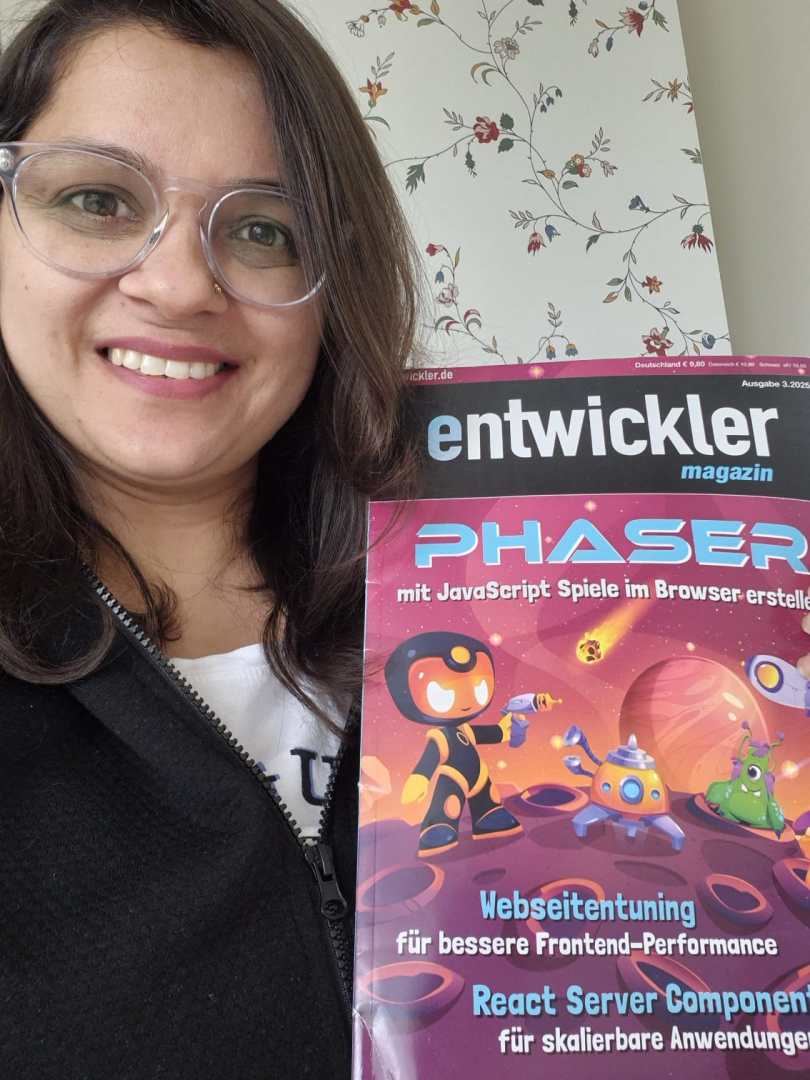
Thrilled to see my name in print β€” in German!

Thrilled to see my name in print β€” in German!! πŸ‡©πŸ‡ͺπŸ“–

When I first wrote this article on Continuous Testing in Agileβ€”highlighting the need to balance speed with quality, and keep the β€œwheels of testing” runningβ€”I had no idea it would travel this far.
But today, I’m proud to share that my work has been published in the print edition of Entwickler.de, one of Germany’s most respected tech magazines! πŸŽ‰

Originally written in English and translated by the amazing editorial team, the article is titled:
πŸ” “Die RΓ€der des Testens am Laufen halten”
(β€œKeeping the Wheels of Testing Running”)
β€” and dives deep into how Agile teams can stay efficient and resilient with continuous testing strategies, even in fast-paced delivery cycles.

πŸ§ͺ From quality thinking to adaptive test environments, the article covers the mindset and methods teams need to deliver great software, consistently.

πŸ’œ A big thank you to the Entwickler.de team for beautifully presenting the article and sending me a print copy that I’ll treasure.
πŸ™ And a warm shoutout to the Devmio team as well for our collaboration and continued support in sharing meaningful conversations around DevOps and Quality at Scale.

Here’s to celebrating small wins, sharing knowledge, and seeing our ideas come to life across borders and languages! 🌍✍️

πŸ“– Read the article here:
πŸ‘‰ https://entwickler.de/testing/die-rader-des-testens-am-laufen-halten-002

#ProudMoment #ContinuousTesting #AgileQuality #DevOps #EntwicklerDe #AgileTesting #TechWriting #DevOpsCon #WomenInTech #TestAutomation #QualityAtScale #KnowledgeSharing #AgileLeadership #PublishedAuthor #FromIdeaToPrint
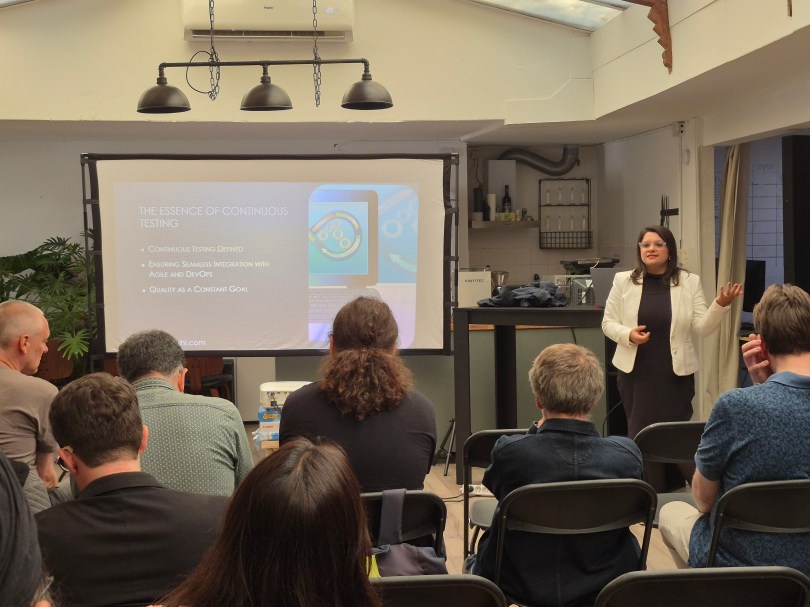
My experience Speaking at DevOps Amsterdam meetup

🎀 First Speaking Experience in Amsterdam: A Milestone to Remember! 🌍

Last week, I had the incredible opportunity to speak at the DevOps Amsterdam Meetup! As my first speaking experience as a native in Amsterdam, it was truly a milestone moment for me. Sharing insights with such an engaged and vibrant tech community was both inspiring and energizing.

The event was presented by the DevOpsDays Team including Lian Li , hosted by TerraTeam and my fellow speaker was the co-founder himself Malcolm Matalka.

The audience’s curiosity and passion for learning reminded me why I love being part of the tech world. It was amazing to connect with professionals who share a collective drive to innovate, collaborate, and grow. I loved meeting some amazing people and inspiring professionals at the event.

I’m deeply grateful to the organizers and attendees for making it such a memorable experience. This is just the beginningβ€”I’m excited to contribute more to the local tech scene and continue learning and growing alongside this fantastic community.

Here’s to more opportunities, new connections, and shared knowledge! πŸš€

#DevOps #AmsterdamTech #PublicSpeaking #GrowthJourney #Community #Grateful #DreamLifeUnlocked #SpeakerLife #DevOpsAmsterdam #DevOpsDays

Shipping Daily : From Sprints to Continuous Releases

DevOps Teams that achieve daily releases have mastered a unique set of skills and practices to ship software faster and more frequently, with higher confidence. This high frequency release model differs significantly from the traditional Scrum framework with 2-week sprints (or longer).Β 

I wrote about this recently in my article published at devm.io platform , where I discussed the daily routines, processes and tools that support these teams, while contrasting them with more familiar cadence of traditional scrum teams. For teams and organizations looking to move towards daily releases, I also covered the key adjustments required to turn this vision into reality.

The Daily Rhythm: Planning, Execution, and Monitoring

1. Planning

For teams delivering code daily, the rhythm of planning, execution and monitoring does not follow the two-week sprint cycle but happens continuously. Here is what this daily rhythm looks like:

  • Frequent Prioritization:Β Daily release teams prioritize their work each day, selecting high impact tasks that can be completed and shipped within a single day.
  • Dynamic Backlogs:Β Instead of working with a static sprint backlog which is derived from the mammoth product backlog, these teams operate with highly flexible backlogs – adding things to it every day. They are ready to pivot quickly in response to customer feedback or issues, urgent needs or new business opportunities.
  • Smaller Targeted Tasks:Β Work items are broken into small, manageable pieces – each designed to be completed within hours. User stories and tasks are refined to be achievable in less than a day, keeping workloads manageable and ensuring that work completed aligns with daily release goals.

2. Execution

Unlike Scrum teams that often release at the end of a sprint, daily release teams execute work with a focus on immediate delivery.

  • Incremental Work:Β Instead of waiting until the end of a sprint, developers push small, frequent changes every day. Every code change is designed to be testable and deployable at the end of the day.
  • Automated Testing:Β It is critical to daily releases. CI pipelines are designed to run tests on each code change, ensuring stability and reliability and readiness of production.
  • Seamless Deployment:Β CD pipelines are in place, so that the code – once tested – is deployed automatically to production. With daily releases, teams cannot afford to spend hours on deployment activity every single day – so it is imperative to automate it.

3. Monitoring

  • Automated Monitoring:Β Monitoring tools track deployment success, system performance, and error rates in real time. Tools like Datadog, New Relic, or Prometheus help track application performance, error rates and system health. These tools are crucial for catching issues early and preventing them from impacting users.
  • Daily Retrospective Feedback Loops: Instead of waiting until the end of a sprint, the team reviews their daily progress and identifies immediate improvements – leading to quick adjustments.

Read the full article here for details on :

Normal Scrum vs Daily Release : Key Differences

Practices to Support Daily Releases

Key Metrics to Track

When are Daily Releases Appropriate?

Benefits of Daily Releases

I am speaking at DevOpsCon Singapore 2023

I am super excited to announce that I will be a part of the esteemed lineup of speakers at this mega event DevOpsCon Singapore this year! DevOpsCon is a much coveted event in the industry and I am thrilled about this incredible opportunity.

This conference is not just about technology; it’s a meeting of minds, an exchange of ideas, and an opportunity to connect with the leaders and innovators in the DevOps community. I’m honored to be a part of this event and to contribute to the dialogue surrounding the future of our industry.
I will speak on Testing in the fast paced software delivery climate and some changes in mindset as well as culture required to achieve the smooth flow of continuous delivery.

It feels great to be a part of such an amazing speaker lineup, consisting of some great speakers from around the globe!

πŸ“† Event Details

πŸ“ DevOpsCon Singapore

πŸ—“οΈ 11-14th Dec 2023

πŸ”— Check out the Program: [https://devopscon.io/singapore/program-singapore/]

What am I speaking about?

In the dynamic realm of software development, the race to market is ever-present, leaving no stage untouched, including software testing. Testers find themselves seeking priorities, collaboration, and transparency from external sources while reimagining processes, streamlining lightweight documentation, and carving their unique path in the testing world. Let’s come together to explore how we can plan, strategize, and conduct software testing that aligns with the fast pace of software delivery while upholding the quality standards demanded by the market.

In this invigorating talk, I will discuss ways to optimize software testing to match the rapid tempo of software delivery. By identifying antipatterns to avoid and key priorities in terms of processes, communication, collaboration, and automation, we will navigate the challenges of testing under the pressure of speed to market. Expect to discover strategies for adapting software test planning and strategy, reevaluating test prioritization, optimizing test processes, and creating lightweight documentation. Additionally, we’ll emphasize the crucial role of cross-functional communication and collaboration in Agile software delivery.

Here are the details of my talk on the Conference Website:

https://devopscon.io/continuous-delivery-automation/testing-for-speed-to-market/

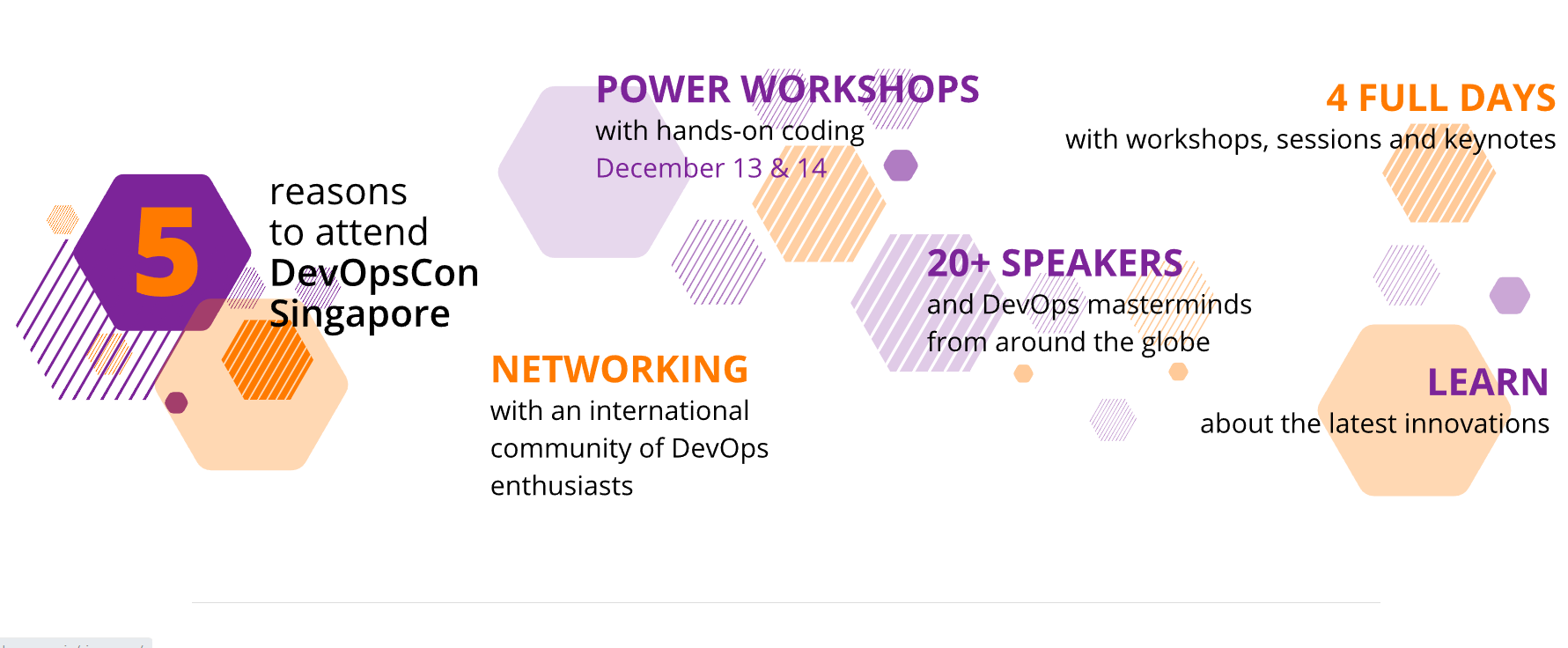
This event is going be action-packed with 4 full days of sessions, workshops, networking and so much more! Check out the details on the website!

See ya there!

Cheers,

Nishi

I am speaking at TestFlix!

I am speaking at TestFlix, 2023 – World’sΒ BiggestΒ Virtual Software Testing Conference with 50+ other global speakers, 15+ themes and 8,000 + Global registrations!

The event is slated to take place virtually on 23 and 24 September 2023, which will be 2 days filled with learning, fun, and meeting new people worldwide!

Register now to hear me talk at TestFlix.

My Talk is titled “Keep The Wheels of Continuous Testing in Motion”

The event is Free to attend. Register now atΒ bit.ly/testflix

Agile Testing Strategies for Successful Software Development

Agile software development has become the modern gold standard in programming and tech innovation. Known for its dynamic and flexible methodology, Agile is rooted in customer satisfaction, consistent delivery, teamwork, and the capacity to adapt to changes.

However, central to the Agile methodology is a component that often goes unappreciated – testing.

No matter how elegant or efficient the code is, thorough testing is necessary for it to succeed. This post will dive into the critical role of testing within Agile, demonstrating how it aligns with programming & source control best practices, such as using Git, implementing effective web development strategies, and leveraging Azure. By exploring various testing strategies, we aim to shine a light on enhancing your software development process for success.

Understanding Agile Testing

Agile testing is a critical part of the Agile methodology. Unlike traditional testing methods, it is integrated into every stage of development rather than being a separate phase. This approach ensures that issues are identified and resolved quickly, facilitating a smoother development process.

The key principles of Agile testing include:

  1. Continuous Testing: Test early; test often. Agile testing happens continuously throughout the development process.
  2. Team Involvement: Everyone on the Agile team participates in testing, not just designated testers.
  3. Feedback and Improvement: Agile testing thrives on feedback, adapting, and improving as the project progresses.

Unlike traditional testing methods that usually occur after coding is complete, Agile testing runs concurrently with development. This continuous, intertwined process allows for rapid adjustments, reduces bug accumulation, and ensures that the final product aligns more closely with user needs. Agile testing’s essence is flexibility, frequent communication, and adaptability, instrumental to successful software development.

Agile Testing Strategies

Navigating the dynamic waters of Agile software development requires robust, adaptable testing strategies. These methods facilitate quality assurance, swift error detection, and effective communication, all while keeping the user’s needs at the forefront.

Read More »

What is Smoke Testing: A Complete Guide

While the software development process is going on. It is necessary to test various functions of the software repeatedly. Repeated testing ensures that the software is working in an intended manner and bugs (if present) are eliminated.

Many software development companies use smoke testing to find if the project is ready for end users’ use or if are there any more necessary changes in the software.

When in-depth testing is done, the chances of solving even the smallest bugs increase. In this article, we will understand what smoke testing is, along with its benefits, risks, and when to use this technique. So, let’s dive into this together.

What is Smoke Testing?

Smoke test, aka, confidence testing, is a process to know the functionality, stability, integration ability, and efficiency of the project under development.

One can also call this process verification testing as the test checkers for errors with the software build. This technique generally involves multiple tests that testers can conduct manually or use automated test methods.

Testing different software components can enable the testers to discover breaches in the code issues without using more valuable assets. Smoke testing also helps the QA team to determine whether the software is ready to release or might require additional development and testing work.

Why is Smoke testing required?

Smoke testing is a process that is performed in the phase of software when it is released to the QA and testing team. Consider a situation where an eCommerce app is deployed in the testing phase, but when the tests are going on, it is found the user is not allowed to log into the app to proceed and perform different tasks; or one can say- the user is blocked from using the app because he/she is not able to perform basic login activities.

Then there is no meaning in performing detailed and exhaustive testing of other major modules of the app. First, the development team has to solve the issue where users cannot log in to the app. Such issues are determined and solved first while performing smoke testing.

Here are some prime reasons why smoke testing is used while developing software or an app:

  • Smoke testing finds major issues in the app in the beginning only
  • It helps in reducing the efforts and time of the QA team that could be wasted if the project is not stable
  • With smoke testing one can make early identification of the defects
  • It increases the stability of the software or app developed

Why is this technique called β€˜Smoke’ testing?

Read More »

My experience speaking at World Test Engineering Summit (in-person, Bangalore)

It has been a while since I have made it to an in-person event. So, this one was extra special.

Though, a very busy week (or perhaps month πŸ˜› ) left little time to prepare for my talk, I was excited for the day and to present in person, network and meet people at the conference. And the day matched my expectations!

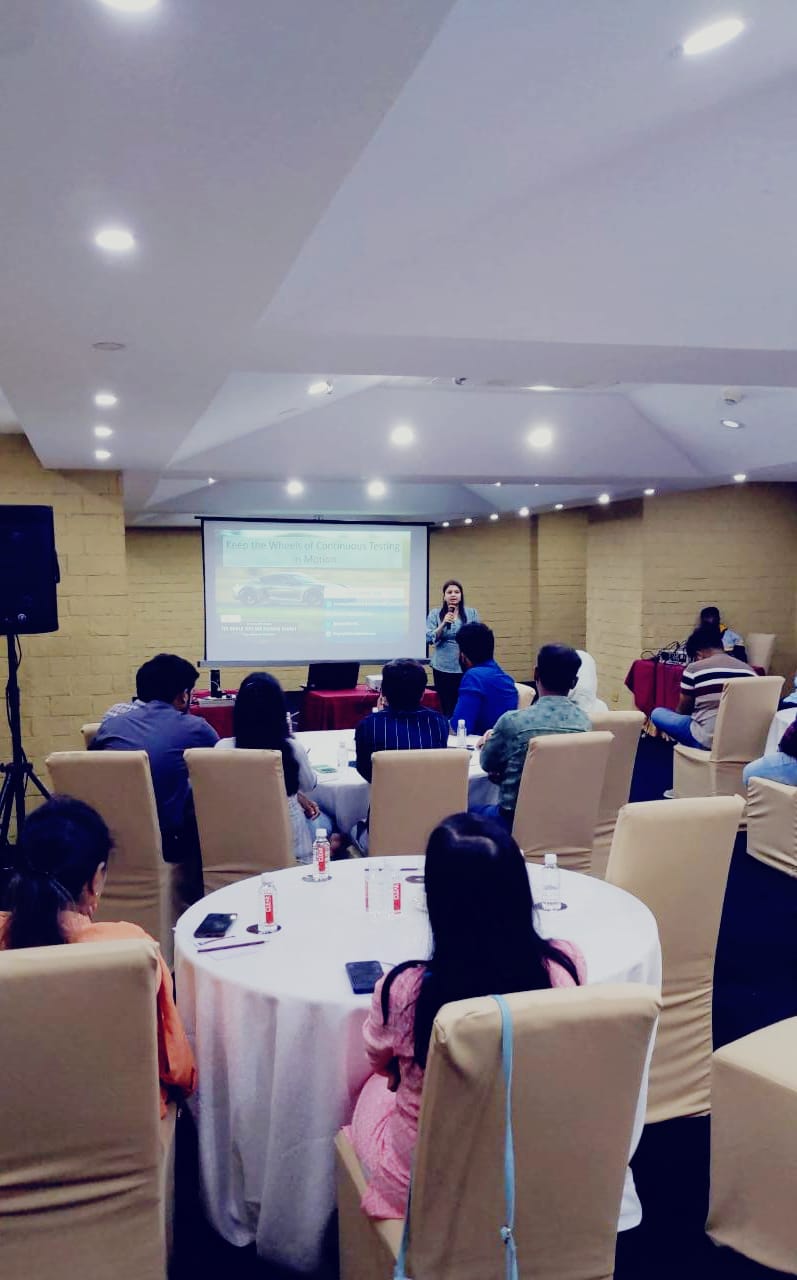
It was really fun presenting to such an engaged crowd and I was amazed at the response and feedback I received during and after the session! There were some great discussions, very keen participants sharing their own stories & experiences and many fantastic comments by the delegates.

My Topic was – “Keep the Wheels of Continuous Testing in Motion”

Here are the details of the event and my session

The event was also a great platform to meet people and teams from esteemed organisations. I spent time chatting with very talented people and made some great connections.

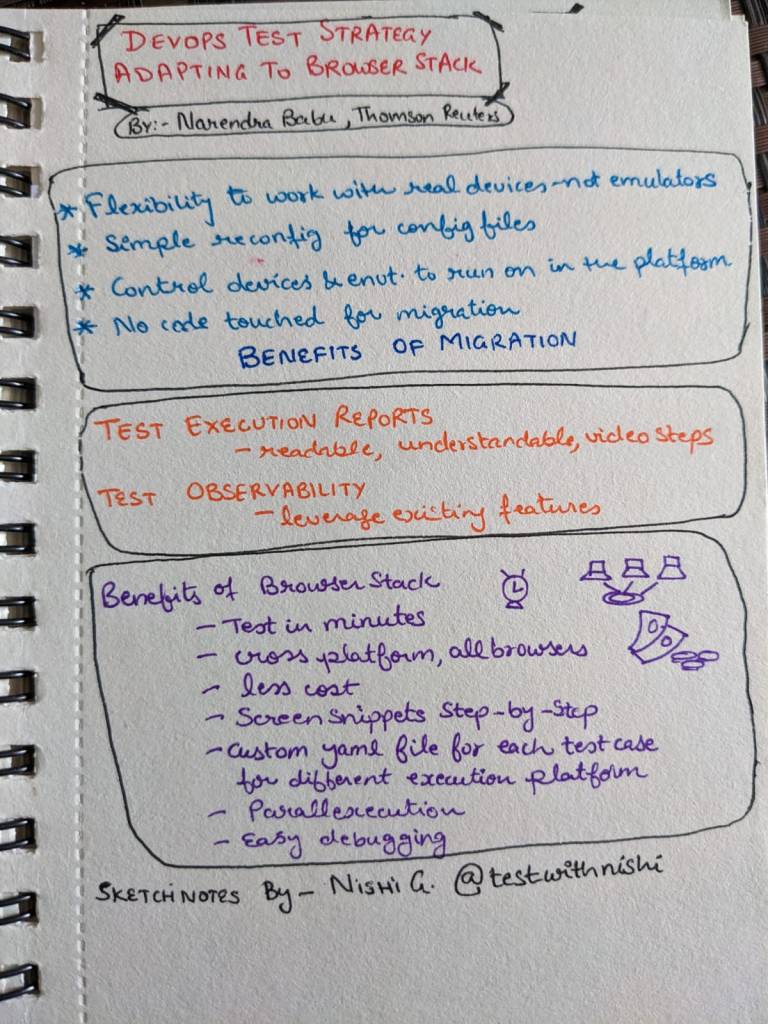
I also took this opportunity to dust off my Sketch notes pad πŸ™‚ I made sketchnotes for some interesting sessions of the day.

I thank 1point21GWS team for having me as a part of this esteemed speaker panel.

I am always grateful for opportunities like this and always look forward to more such days!

Happy Testing!

Nishi

Continuous Testing in DevOps

Agile testers need to constantly rethink their processes and tooling in order to move toward faster and more reliable software delivery. The key there is to embrace the continuity. Continuous delivery is necessary for agile development, and that cannot happen without having continuity in testing practices, too.

In my article published on TestRail blog, I discuss the various aspects of Continuous Testing in DevOps-

Continuous testing

Continuous testing can be defined as a methodology focused on continuous quality and improvement. It can use a number of practices and tools to help do that.

Continuous testing encompasses the verification and validation of each piece of the software under development to ensure:

  • Code quality β€” Are developers creating code of good quality?
  • Application correctness β€” Are developers creating the correct features?
  • Place in the pipeline β€” Can the application code flow through the pipeline and across environments and specified tests successfully and easily?
  • A good customer experience β€” Are users seeing value in the delivered application?

Continuous testing is the way toward continuous delivery. Teams that struggle with continuously delivering on time or with high quality often find the solution to their problems by setting up good continuous testing practices.

Read the full article for some tips to improve your continuous testing framework and help your DevOps succeed, like-
  • Ensure test automation is the best fit
  • Leverage automation benefits in all aspects
  • Select the right tools
  • The Typical Pipeline & what it requires

Continue Reading ->

Agile teams must strive for continuous improvement of their continuous testing strategy. If they’re successful, they can reduce their release times from months or years to weeks or days (or even hours!). By adopting the correct practices and embracing the spirit of continuous learning and improvement, we can help our testers to become champions of agile.

<Image Credits – manufacturingchemist.com>