I am speaking at DevOpsCon, Singapore

I am elated to share that I have been invited to speak at DevOpsCon, SIngapore – an event by devmio. This event is known for its power workshops, practical learning avenues and networking with international community of Agile & DevOps enthusiasts, I am excited to be presenting not one but 2 sessions – one focused on Agile Delivery and another on Test Automation Strategies!

The conference offers 4 full days of learning in the form of sessions, keynotes and workshops, with options to attend in-person or online – here is the full program https://devopscon.io/singapore/program-singapore/

As I prepare for the sessions and my travel, I am also looking for recommendations and ideas for things to include in these sessions. Please share your thoughts and suggestions on what you would like to be included in these topics – here are the details of my sessions:


Navigating the Agile Seas: Program Management in Startup Waters

Agile teams in startups can be in a constant state of flux, and creating harmony there requires mastering adaptive leadership techniques, relooking at processes and leaning them out to suit the needs of the teams. In this session, we will dissect the intricate dance of leading software delivery in startup agile teams, and discover actionable strategies for navigating the complexities of program management in fast-paced environments. Program and engineering leaders will gain valuable insights into aligning team efforts with business goals while maintaining agility and high-quality standards.

By the end of this session, you will:​

  • Gain insights into adaptive leadership techniques tailored for startup agility.
  • Learn practical approaches to balance speed and quality in software delivery.
  • Explore effective methodologies for orchestrating agile programs in dynamic startup ecosystems
  • Navigating the Agile Seas: Program Management in Startup Waters

Mastering Test Automation: Strategies for Maximum Efficiency and Impact

In today’s fast-paced development cycles, effective test automation is essential for delivering high-quality software at speed. This talk will guide you through selecting the most impactful test automation strategies by focusing on aligning with business goals, ensuring scalability, and optimizing test coverage. Attendees will learn how to prioritize which tests to automate, choose the right tools, and create a balanced approach that maximizes efficiency while minimizing maintenance overhead.

Grateful for the opportunity to share my word with the community, and looking forward to travelling the world!

See ya there!

Cheers,

Nishi

I am speaking at TribeQonf 2024, Bengaluru

I’m Speaking at The Test Tribe’s Offline Flagship Conference – TribeQonf 2024! 🧡

This event is happening on 12th July and 13th July, 2024 in Bangalore.

I will be speaking on “Building Harmony in Chaos: Orchestrating Agile Delivery in Startup Realms”

Here are the details to the event and my session

I’m excited to be part of this 2nd edition of TribeQonf. Looking forward to interacting with India’s Best Testing Minds!

Join me at thetesttribe.com/tribeqonf

TheTestTribe #TribeQonf #Testing #Conference

Testing Web Accessibility- Dive into tools, myths, and facts 

Testing a web application ensures that each user can use the site. Web accessibility testing is a specialized test that ensures websites are effective in digital accessibility testing.  

Additionally, guidelines for web accessibility testing are essential to follow. World Wide Web Consortium has set four rules for accessibility testing – perceivable, operable, understandable, and robust. Plus, companies can use three conformance levels – A, AA, & AAA – in their testing life cycle.  

A well-designed accessibility testing focuses on balancing the needs of people with disabilities – helps match the needs to best techniques, automate the test case and use clear language for expression.  

Let’s dive deep into the myths, and facts about testing web accessibility  

1. MYTH: Website accessibility is expensive, plain, and boring 

FACT: When you think of accessibility issues at the design stage, it reduces the cost. Accessibility does not mean that the site should contain only text. You can add more images and make them attractive and accessible for all.  

2. MYTH: WCAG benefits people who have low vision or are blind 

FACT: While ensuring that your site is accessible to all the people who are blind or have low vision, there’s no single access needed that dominates WCAG’s success criteria. Some disabilities may be permanent, while some temporary.  

3. MYTH: Automated tools ensure complete site accessibility 

FACT: No automated tool can help to solve total site accessibility. As such, these tools are cost-effective and can help to identify a broad range of issues across sites but keep in mind that 75% of WCAG site criteria – aren’t even tested.  

4. MYTH: Developers are responsible for making a site accessible 

FACT: Though developers play a central role, the responsibility of meeting WCAG success criteria rests on many people like – designers, content authors, UX specialists, and project managers. Making the sites accessible is a team effort.   

5. MYTH: Using web content Accessibility Guidelines (WCAG) is vital to achieving WCAG conformance 

FACT: Using the WCAG techniques is not important for achieving WCAG conformance. However, they can help you get closer to the goal to an extent. What matters is your digital assets meet the required WCAG success criteria.  

6. MYTH: Converting the inaccessible site to an accessible one is time-consuming 

FACT: It’s important to prioritize things and work on basic needs so it’s not time-consuming.  

Here are some Tools for Testing Web Accessibility

Conclusion 

Web accessibility testing provides easy access to users with a disability and added challenges. It increases the audience reach and market share and improves efficiency and maintainability.  

Moreover, you should follow different software testing trends. In short, by leveraging the emerging trends and implementing accessibility testing in the testing process, will help teams ensure the site’s content is accessible to all users without glitches. 

Accessibility testing simplifies the process of navigation and how you can understand software and site needs. Moreover, it is for all users, and testing can be done for everyone.  

Like other testing ways, you can do it manually or using different automation tools. However, it’s vital to check whether the guidelines are fulfilled or not and how user-friendly the process is.  

<This is a guest post by Harikrishna Kundariya>

Author Bio:

Harikrishna Kundariya, a marketer, developer, IoT, ChatBot &amp; Blockchain savvy,designer, co-founder,Director of eSparkBiz Technologies. His 12+ years of experience enables him to provide digital solutions to new start-ups based on IoT and SaaS applications.

ERP Trends for the Future

<This is a guest post by Scarlett Hunter>

What is ERP

ERP (Enterprise Resource Planning) is a software that provides a suite of applications to manage the core processes of a business. These processes include finance and accounting, human resources, supply chain, procurement, manufacturing, and customer relationship management. ERP systems are designed to automate and integrate core business processes, providing all information at a single source for easy decision-making.

ERP systems come in different types, and they can be classified based on an organization’s needs, budget, and preferences.

Types of ERP Systems

On-Premise ERPThis type of ERP system is installed on the organization’s in-house servers and hardware. It is maintained and handled by the organization’s IT department. Although it provides greater control over the system, the cost of implementation, hardware, and maintenance is usually high.
Cloud-Based ERPThe software is hosted on a cloud server, and organizations access it via the Internet. They only pay for the software features and modules they need, and the providers generally take care of the hosting, maintenance, and updates. Cloud-based ERP is more affordable than on-premise ERP and is gaining popularity due to the low initial investment and the ability to access data in real-time, from anywhere in the world.
Hybrid ERPThis type of ERP system is a mix of on-premise and cloud-based ERP. The organization can use on-premise implementation to handle sensitive data within the organization, while it puts less sensitive modules on the cloud.
Open-source ERPAn open-source ERP system is a software that is available for anyone to use, customize and distribute. In Open-source ERP, an organization can modify the code to suit its specific business needs. It’s free and provides greater flexibility, but the downside is that the organization must be equipped with IT expertise to handle the system.

Future Trends of ERP

1. AI and Machine Learning

Artificial Intelligence (AI) and Machine Learning (ML) are revolutionizing ERP systems by enabling predictive analytics, machine-to-machine communication, and automated decision-making.

AI and ML algorithms can analyze large datasets and provide insights into areas such as demand forecasting, supply chain optimization, and predictive maintenance.

By automating routine tasks and decision-making processes, businesses can reduce costs, improve accuracy, and free up their employees to focus on more strategic tasks.

2.  Integration with IoT

ERP systems are also integrating with the Internet of Things (IoT) to create smarter supply chains and manufacturing processes.

IoT devices such as sensors, beacons, and RFID tags can collect data in real time, enabling businesses to track inventory levels, monitor production processes, and optimize delivery routes.

By integrating ERP with IoT, businesses can create a truly connected and intelligent supply chain that can predict and respond to changing market conditions.

3. Cloud Deployment

With cloud computing gaining momentum, businesses are shifting towards cloud-based ERP solutions to reduce infrastructure costs, improve scalability, and facilitate remote accessibility.

Cloud deployment allows businesses to access ERP systems from anywhere and at any time, enabling employees to work remotely and collaborate more effectively.

It also provides better security measures than on-premise solutions since data is stored on cloud servers and is protected by multiple layers of security protocols.

4. Mobility

With the increasing use of smartphones and tablets, employees are no longer tied to their desks and can use their mobile devices to access ERP systems.

Mobile ERP solutions offer real-time access to data, allowing employees to stay informed of critical business processes such as inventory, sales, production, and delivery status.

Mobile ERP solutions also provide push notifications and alerts, enabling employees to take immediate action on any issues or opportunities.

5. Customization

Customers are increasingly demanding personalized experiences, and businesses are responding by customizing their products and services to meet these demands.

ERP systems are also becoming more customizable, allowing businesses to tailor their solutions to their specific needs. Customization can include adding new modules, integrating with third-party applications, and configuring workflows to suit specific business processes.

Customization enables businesses to differentiate themselves from their competitors and provide unique value to their customers.

Conclusion

From the above discussion, it is clear that there are multiple trends that are coming onto the surface such as cloud deployment, mobility, AI and ML, integration with IoT, and customization are all major trends that are shaping the future of ERP systems. By adopting these trends, businesses can gain a competitive edge, optimize their operations, and provide exceptional customer experiences.

<This is a guest post

Author- Scarlett Hunter | Python Developer | Contact: scarletthunter202@gmail.com >

TestPage–Reader’s Paradise

This is a test page

Welcome to a place where you can find the best content related to software testing, test automation and agile space.

Difference Between Human Testing & Test Automation

Human Testing is a craft that is more than executing a bunch of tests, performing clicks and actions. A tester has a unique understanding of the system and ways to critique it. Over time, the tester develops a deeper comprehension of the application and its intricacies, integrations, weak points, and history. This makes them the best judge to find out the failure points of the system and comment on its health.

While automated checks can help in determining problems in what we know (and have scripted as checks), it may not help as much in the risk areas of what we do not know about the product. That requires exploration, creativity, intuition and domain knowledge. This is the human aspect of testing.

The creative and human aspects of testing lie with the tester, which I have experienced as well as written about a few years back as a hands-on tester myself here – https://testwithnishi.com/2014/12/31/automation-test-suites-are-not-god/

Int-Pieces

Testing and Checking are partners!

Understanding Burnout Symptoms in Tech Workers

Work in the tech industry is very demanding. We pointed out before in our article entitled ‘Mental Health for People in Tech’ that this industry is characterized not only by long work hours, but also high stress and great pressure to perform well — all of which can adversely impact your mental health. Not only that, but they can also cause burnout, which is defined by the World Health Organization (WHO) as a syndrome caused by chronic and unmanaged workplace stress. Sadly, we often fail to recognize when we are suffering from it.

That said, this article will help you identify burnout symptoms so you can understand this syndrome better for yourself and for those around you who might be experiencing it too.

The Symptoms

The following are some warning signs of burnout:

Irritability and indifference

Tech Republic notes in an article on burnout warning signs that being irritable and indifferent are telltale signs of burnout. Granted, getting irritated is a normal reaction — but if it happens more than usual or if you end up snapping at someone for the smallest reason, you’re likely burned out. The same holds true when both your attention to detail and job interest wane. This increasing detachment is one of the three dimensions of burnout, according to the WHO.

Exhaustion

It’s normal to feel tired at the end of your work shift, but if you feel drained just hours (or even minutes) after starting work, then you’re probably burned out. This energy depletion is yet another dimension of burnout, and it can be exacerbated by the long hours expected of you.

Read More »

‘Just Enough’ documentation in an Agile Project

Agile poses many challenges to the development team, most of them pertaining to time. Teams are perpetually under pressure to deliver working software at a fast pace, leaving minimum time for anything else. When testing on an agile project, learning how to write lean documentation can save precious time. Furthermore writing lean documentation can help rework efforts by focusing only on what’s really necessary.

The Agile Manifesto emphasizes working software over comprehensive documentation, but most agile teams interpret this wrong and treat documentation as something to be avoided, owing to time constraints. The manifesto states a lesser focus on comprehensive documentation, but some documentation is still needed for the project and any related guidelines being followed. Attaining this balance is a challenge.

Documentation is a necessary evil. We may think of it as cumbersome and time-consuming, but the project cannot survive without it. For this reason, we need to find ways to do just enough documentation — no more, no less.

Read about how to focus on important areas like VALUE  , COMMUNICATION and  SUFFICIENCY when documenting in your agile project – in my article published at Gurock TestRail blog –> https://blog.gurock.com/lean-documentation-agile-project/

just enough

Click here to read the full article

For example, in a traditional test design document, we create columns for test case description, test steps, test data, expected results and actual results, along with preconditions and post-conditions for each test case. There may be a very detailed description of test steps, and varying test data may also be repeatedly documented. While this is needed in many contexts, agile testers may not have the time or the need to specify their tests in this much detail.

As an agile tester, I have worked on teams following a much leaner approach to sprint-level tests. We document the tests as high-level scenarios, with a one line description of the test and a column for details like any specific test data or the expected outcome. When executing these tests, the tester may add relevant information for future regression cycles, as well as document test results and any defects.

More examples and scenarios for learning leaner test document creation are included in the full article– Click here to read the full article


                 Are you interested in finding the right tool for your Agile processes? Here is a comprehensive assessment and comparison of the best agile tools available! 

https://thedigitalprojectmanager.com/agile-tools/

Prepared by Ben Aston, this list may be a useful guide for finding and selecting the best tool to support your agile journey. Check it out!


Happy Testing!

Nishi

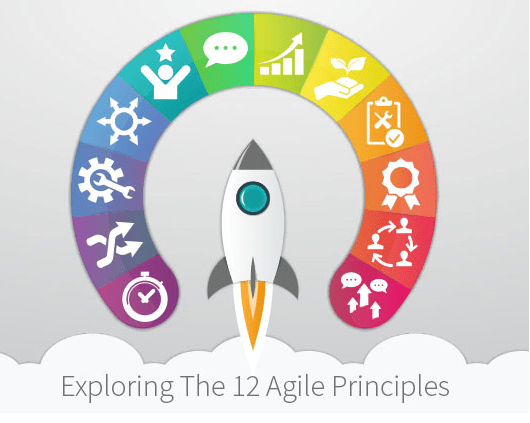
The 12 Agile Principles: What We Hear vs. What They Actually Mean

The Agile Manifesto gives us 12 principles to abide by in order to implement agility in our processes. These principles are the golden rules to refer to when we’re looking for the right agile mindset. But are we getting the right meaning out of them?

In my latest article for Gurock TestRail blog, I examine what we mistakenly hear when we’re told the 12 principles, what pain points the agile team face due to these misunderstandings, and what each principle truly means.


Principle 1: Our Highest Priority is to Satisfy the Customer Through Early and Continuous Delivery of Valuable Software

What we hear: Let’s have frequent releases to show the customer our agility, and if they don’t like the product, we can redo it.

The team’s pain points: Planning frequent releases that aren’t thought out well increases repetitive testing, reduces quality and gives more chances for defect leakage.

What it really means: Agile requires us to focus on quick and continuous delivery of useful software to customers in order to accelerate their time to market.

Principle 2:

Check out the complete post here —- Click Here to Read more–>


Do share your stories and understanding of the 12 Agile Principles!

Cheers

Nishi

Optimize Your Hardening Sprint for a Quality Advantage

A hardening sprint is an additional sprint that some teams run to stabilize the code and ensure that everything is ready just before release. Agile teams vary in their opinions on using hardening sprints in Scrum, but if your team does agree on having one before your release, there may be a lot to be done and varied expectations from the product owner, testers and developers. It may also lead to other work being delayed, leading to accumulation of technical debt.

In my article for Gurock TestRail Blog, I have discussed some tips on optimising the hardening sprint and achieving the maximum quality before release.

I talk in detail about some main points to focus on–

  • Plan Ahead
  • Perform End-to-End Testing
  • Perform Non-Functional Testing
  • Perform Tests on Other Platforms and Languages
  • Reduce Lower Priority Defect Counts
  • Use your sprint Wisely

Read the full article here — > https://blog.gurock.com/optimize-hardening-sprint/

Please share your thoughts!

Happy Testing!

Nishi

A Day in the Life of an Agile Tester

An agile tester’s work life is intriguing, busy and challenging. A typical day is filled with varied activities like design discussions, test planning, strategizing for upcoming sprints, collaborating with developers on current user stories, peer reviews for teammates, test execution, working with business analysts for requirement analysis and planning automation strategies.

In my article for Gurock TestRail blog, I have explored a typical day in the life of an agile tester and how varied activities and tasks keep her engaged, busy and on her toes all the time!

agile tester.png

Let’s sneak a peek into a day in the life of an agile tester — > You will go through the daily routine of an agile tester and will experience their complicated schedule in real time.

Read full article

https://blog.gurock.com/agile-tester-work-life/