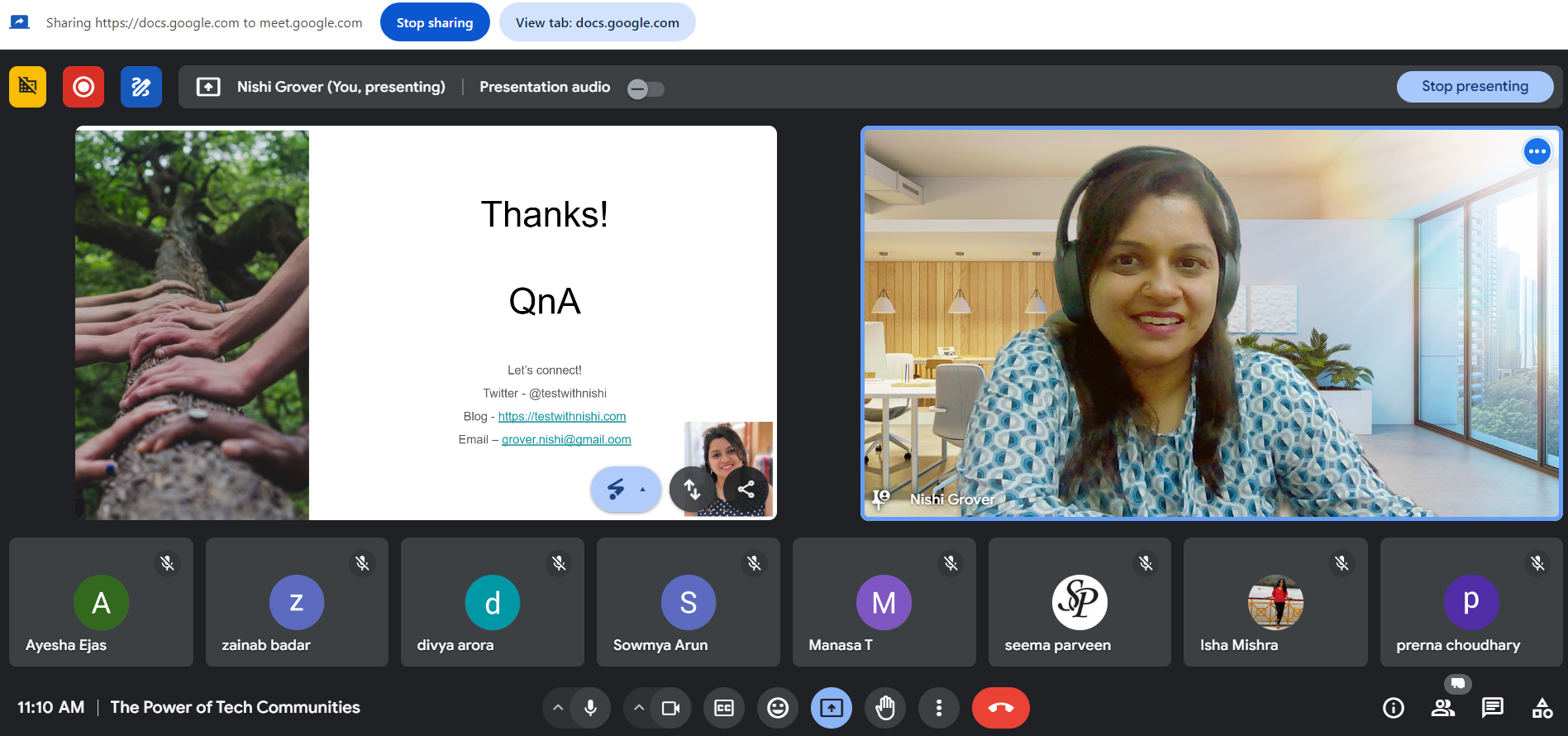
I had the pleasure of hosting a session on the HerKey Community Platform today, where we explored “The Power of Tech Communities.” It was inspiring to see so many enthusiastic participants join in for an open and engaging discussion.
Communities are more than just groups with shared interests—they thrive on the collective passion, willingness to share, and dedication to support one another. During the session, we delved into how tech communities can be powerful catalysts for career and personal growth. We also discussed the significance of Product Communities and how organizations can unlock the full potential of their user communities by empowering them with the right platforms for growth.
It was particularly rewarding to hear participants share their own experiences on how tech communities have positively impacted their careers and learning journeys. I’m grateful for the insights and energy everyone brought to the conversation.
I’m looking forward to hosting more sessions like this on the HerKey platform, and continuing to explore how we can harness the power of communities to drive success.
Building a business from the ground up can be challenging but rewarding. Although it can take patience to develop unique products and services while surrounding yourself with talented individuals, most businesses that put in the work can see positive increases in their revenue streams and profitability.
However, one of the most important things to get right when running a business is having a dedicated team of employees willing to go the extra mile. Still, this isn’t easy for businesses to master. As organizations begin to scale, most feel certain constraints that can negatively impact productivity and potentially stall growth efforts.
To overcome these issues successfully, businesses should adopt a resilient attitude in adapting to changes in their operations while looking for better ways to collaborate and improve their teams’ capabilities. In fact, there are some great examples businesses can learn from some of today’s top brands that have already done the same.
Common Team-Building Roadblocks Businesses Face
As businesses begin to grow, they often experience certain challenges that can test their ability to remain resilient. Many of these challenges can materialize internally, with employees beginning to struggle to keep up with changes or maintain the same level of enthusiasm they once had.
This often creates inevitable roadblocks, making it hard for a business to move forward. Some of the common team-building challenges that can surface include:
Poor Communication Practices
A good majority of businesses put a lot of effort into ensuring they maintain healthy levels of communication with their employees. Still, many organizations experience highs and lows when it comes to how well departments collaborate with one another.
One of the common working formats for many businesses today is having a decentralized workforce. While allowing this level of flexibility in employee scheduling and working location can be highly convenient, it can often result in information silos, with only certain teams having the information necessary to manage projects effectively.
Fragmented communication in a business can severely harm its progress. Just as electricians and plumbers must work closely with contractors to ensure bathroom remodels, or living room expansions go smoothly in home renovation projects, businesses must prioritize transparency between their departments to succeed.
Loss of Trust From Employees
Employees need to respect their employer to feel confident enough to give 100%. However, to develop respect, employees need to trust their leadership teams and feel valued more than just another number in the organization.
Although trust can be difficult to earn, especially in the early stages of an employee’s tenure, it can easily be lost. Unfortunately, when a company puts the majority of its focus on developing new revenue streams and maximizing profitability, it can start to lose focus on developing strong relationships with employees. When employees begin to lose trust in their employers, it can often lead to negative attitudes that can quickly start to degrade the company culture. This makes it much harder to keep employees and attract new talent.
Unclear Company Purpose
Simply increasing revenue doesn’t mean a business can or will be successful. As a business grows, it becomes increasingly more difficult to maintain alignment with initial business objectives, leading to a disorienting state that can negatively affect operational efficiency.
As company departments begin losing their cohesion, this can damage a business’s long-term sustainability. Many times, these issues might be subtle at first, with employees forgetting about their primary responsibilities or missing a few deadlines. However, over time, these seemingly minor issues can become a much larger issue.
Resistance to Change
For many people, change isn’t something that is easy to accept. While it’s easy for businesses to say that they’re “OK with change” or “willing to improve their processes,” the reality is usually much different.
Change can make many individuals uneasy, especially when it means leaving a certain comfort zone. This can apply to both business leaders and employees who are tasked with updating their workflows or shifting their daily priorities.
However, having too much resistance to change can be a major roadblock for organizations that want to grow. Leadership teams clinging to outdated sales strategies or having too many employees who don’t feel the need to learn and develop their skills can make a business stagnant and eventually start moving in the wrong direction.
Successful Companies That Have Managed to Overcome Leadership Issues
In the rapidly evolving modern world, business changes in enterprises are violent and frequent, and therefore, the provision of innovative technological, many enterprise organizations adopt low-code development platforms into enabling the enhanced software development processes’ efficiency. In this conclusive and comprehensive tutorial low code aspect is discussed how it impacts organization and it also answers the critical questions with respect to traditional development to help the business to capture tremendous value in developing Ready Enterprise Applications.
1. Empowering Enterprise Outcomes through Low-Code Development
Low-code development platforms are becoming the key drivers of enterprise digital transformation by easing app development approaches. It reduces the practices of manual coding by a considerable amount, reduces time and cost of development while projecting a market growth of more than thirty percent CAGR by-year 2028. In this regard, low-code, by translating development into graphical interfaces, is the enabler for both IT and business personnel and a way to bring additional efficiency to the organization by improving development team’s velocities thus allowing to quickly adapt to market needs. It is friendly with existing IT environments and enhances legacy frameworks and third-party API for maximum return on investment while renewing applications.
Integrating Competitive Advantage into Operations
Implementation of low-code platforms means relatively increased productivity as organisations experience up to 50% reduction in the time to build application and maintaining them. This efficiency helps IT teams to avoid wasting their time on various usual tasks and shift more focus to unique tasks. However, integrated management and security mechanisms reduce the risks involved with Shadow IT, whilst adhering to stringent regulatory requirements. As more enterprises adopt low-code, they are able to deliver more applications faster to market and be more responsive to changing business requirements.
2. How Low-Code Development helps in Unlocking Enterprise Growth
Many organizations have turned to low-code platforms to ensure efficiency during the development phase and align with the DevOps concept. Forrester has it that low-code can help to speed up application delivery by as much as six times while at the same time halving development costs. This efficiency not only improves the speed for operations but also fosters the fairly essential accelerated rate of innovation for competitive advantage.
Low-code also makes application development more accessible to allow business users who are not IT experts to build applications that they require. It encourages cooperation between departments, ensures that IT works towards business objectives, and speeds up the working cycles to provide better customers’ experiences. Furthermore, the top low-code platforms are security and compliance-oriented as innovative security mechanisms are integrated into the platform to ensure proper protection of data and compliance with relevant regulations, thus reducing risks and increasing confidence.
3. Working Through the Problems of Traditional Software Development for the Enterprise
In the current environment of enterprises, the conventional software development faces issues that slow it down and prevent creativity. Complexity of development cycles and increasing costs are also significant projects issues with 68% of projects reporting delays and 45% reporting that their costs were higher than planned because of poor planning and communication. In addition, such methodologies as waterfall restrict the cross-functional team approach, which creates problems with immediate adaptation to market shifts and slows down time to market of key applications.
The primary social challenges for these enterprises are these hurdles, and therefore working with Agile and DevOps practices. There are mainly the following advantages of using agile methodologies: It encourages cross functional and cross organizational collaboration and thus teamwork, because the conditions are fully supportive of fast responses to changes in requirements and markets. Implementing DevOps does not only facilitate development but also increases deployment rates by 30x and reduces failure rates by 60x. Implementing cloud computing solutions, organizations also advance the use of cloud-native ones and microservices to improve scalability and being competitive in the digital market.
4. Realizing Increased Speed & Innovation with Low-Code Capabilities
Low-code is considered to be influencing the application development profoundly as it cuts across the time required in developing and implementing applications I superior ways. As per estimates, the CAGR is over 20% and these platforms dematerialize processes and include citizens, developers and IT persons. Since competition is high in today’s mart, reducing the time-to-market for new products and features are very critical for organizations.
Making the process of building applications accessible to more users is another advantage that comes with the use of low-code solutions. Benefits of collaboration are the ability of allowing users with different technical applications to change programs, processes and develop improvements, hence enjoying the flexibility of responding to the market and consumers’ feedbacks. Companies using low-code claim that their applications are delivered up to 50% faster, and this increases overall business functionality and customer satisfaction.
Additionally, low code enables CI/CD requirements as essential for today’s DevOps frameworks. These are easily integrated with the existing tools and processes and reduce the time spent and errors in the deployment of the software. This helps to liberate the development teams to concentrate on new value creation, thus increasing the organizational flexibility.
5. The Possibilities of Low-Code Solutions for the High-End Business Applications
Leveraging the full potential of low-code as the foundation for delivering enterprise-level solutions is transforming applications development. For enterprises, it represents that adequate use of low-code can avoid much hand-coding in the development of complicated applications, thus shortening the TTM and improving the flexibility. According to the market report, it will exhibit a CAGR of over 25% by 2028; low-code development platforms enable organisations to deliver new solutions at a greater pace.
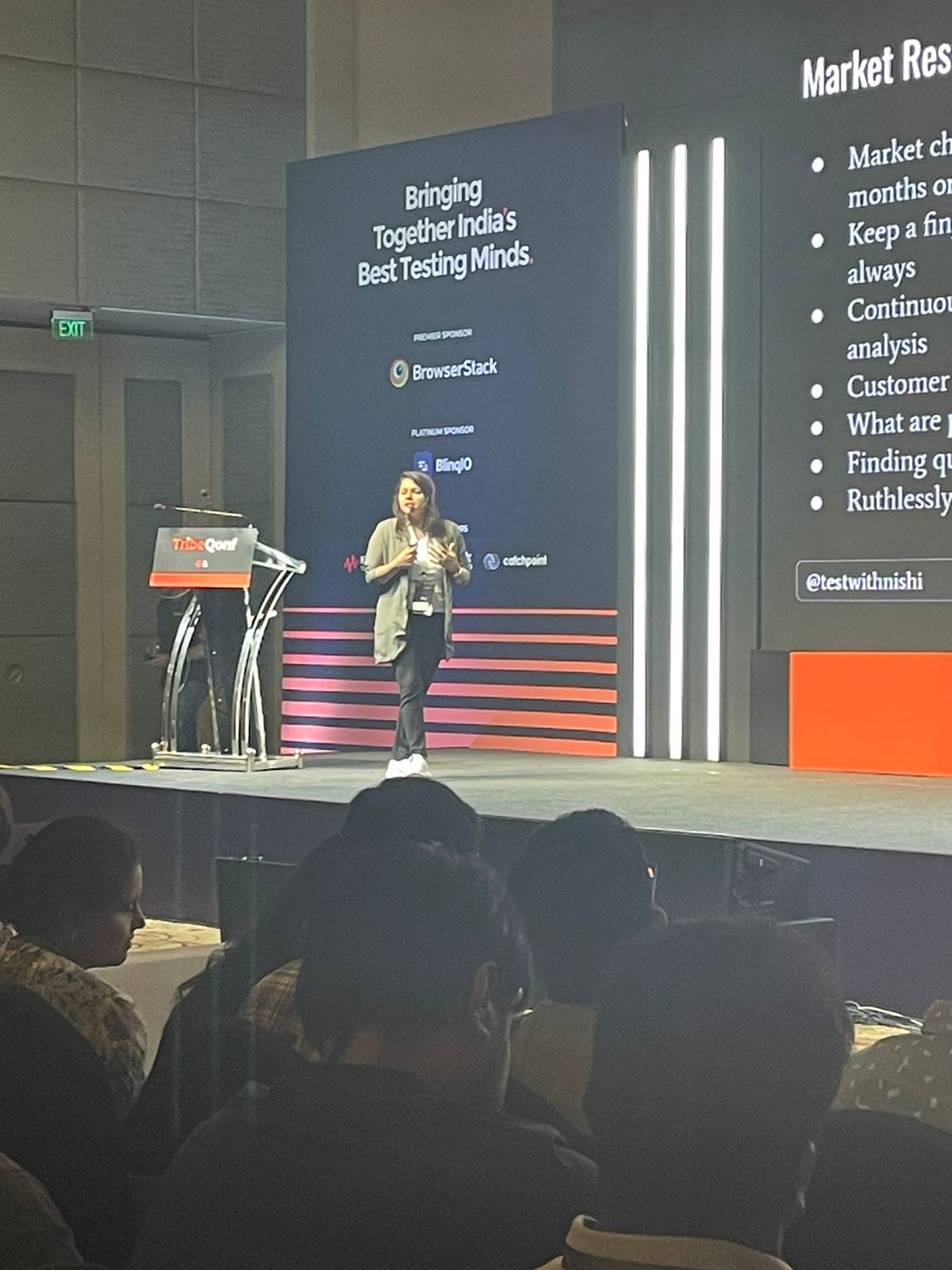
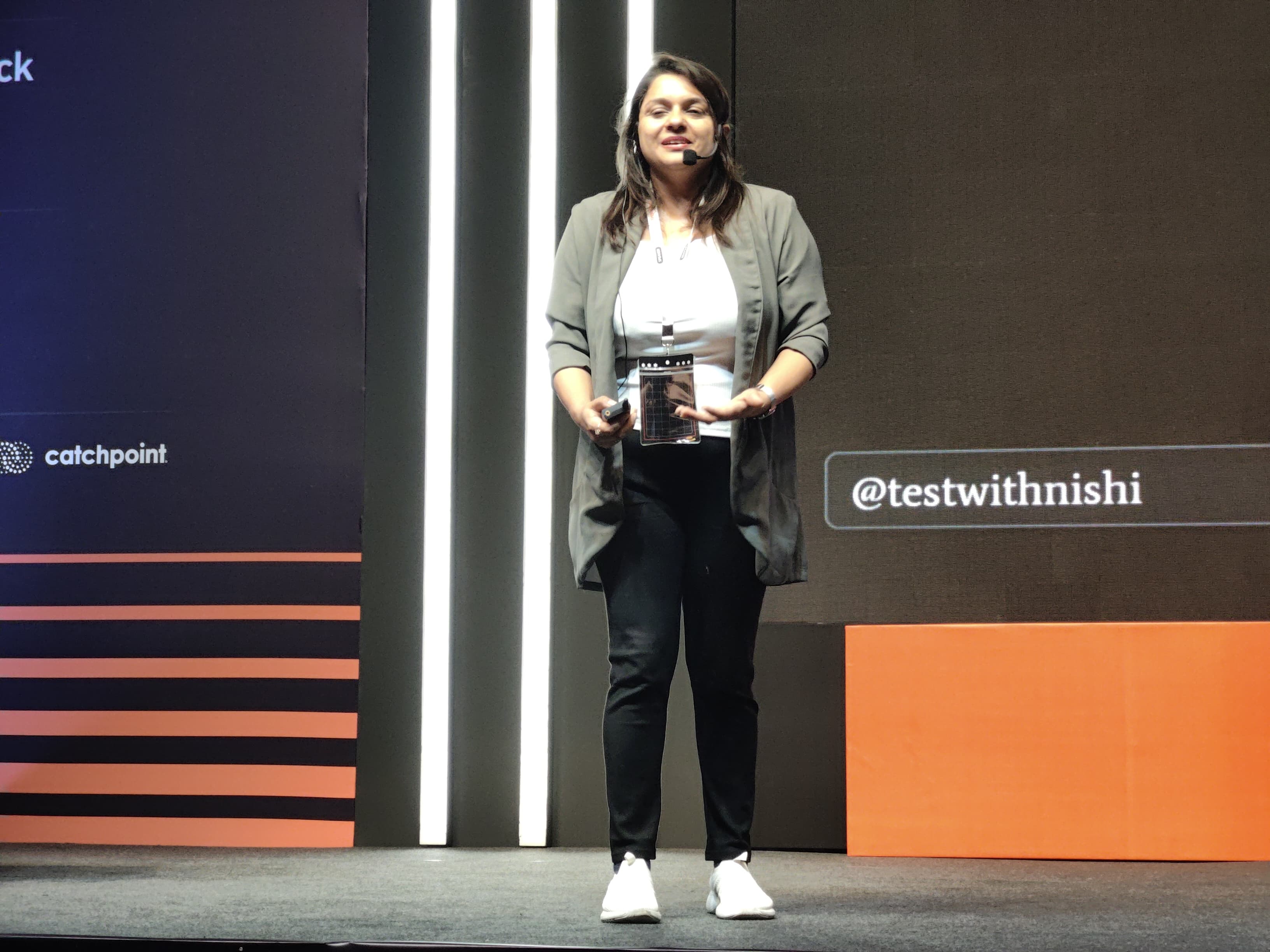
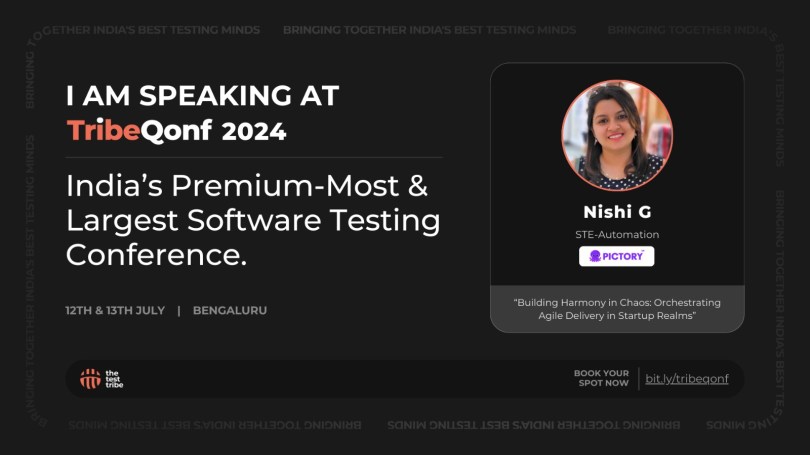
Speaking at #TribeQonf was definitely a highlight of my year so far! What an fantastic event put together by an amazing team led by @Mahesh Chikane, Ashutosh Garg and so many more!
I was excited to see the grand setup, the massive stage was a sight to behold and so was the packed room in front! The hallway was flowing with delegates, sponsor booths and so much chatter, with interesting conversations, networking and smiles in all corners!
So much has already been said by the delegated and esteemed speakers in their posts. This conference surpassed most events in the kind of energy, enthusiasm, connections and learning that was seen and experienced.
My session was all about “Building Harmony in Chaos” wherein we talked about Orchestrating Agile deliveries in a startup environment. It was a jam packed room and definitely a great experience to deliver a session at this scale. I am thankful to have received such great feedback and kind words from the attendees after the session. Here are a few glimpses of my talk:
This event was definitely a highlight of my year so far, and looking forward to many more in the coming months! Thanks for the partnership @The Test Tribe.
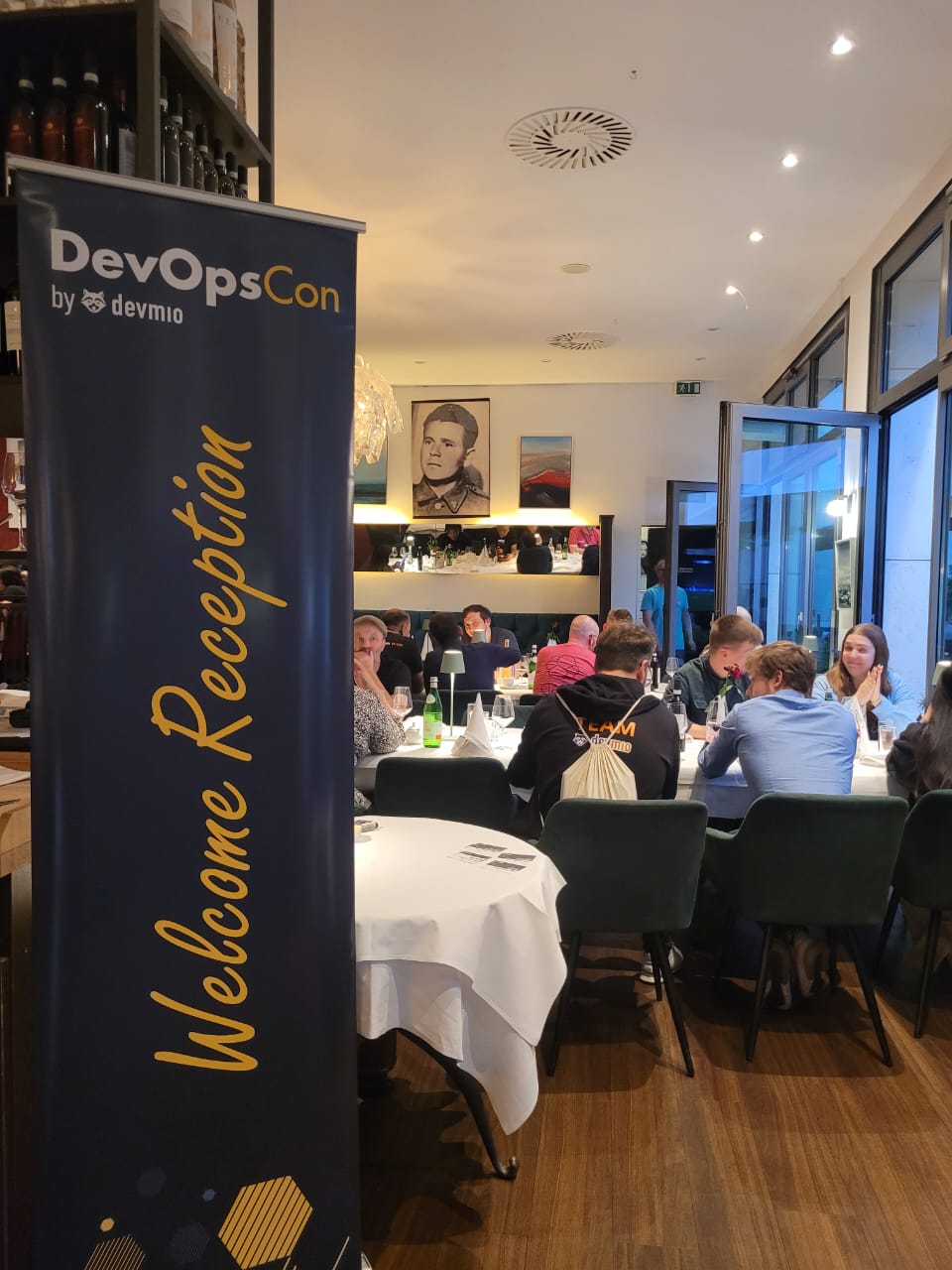
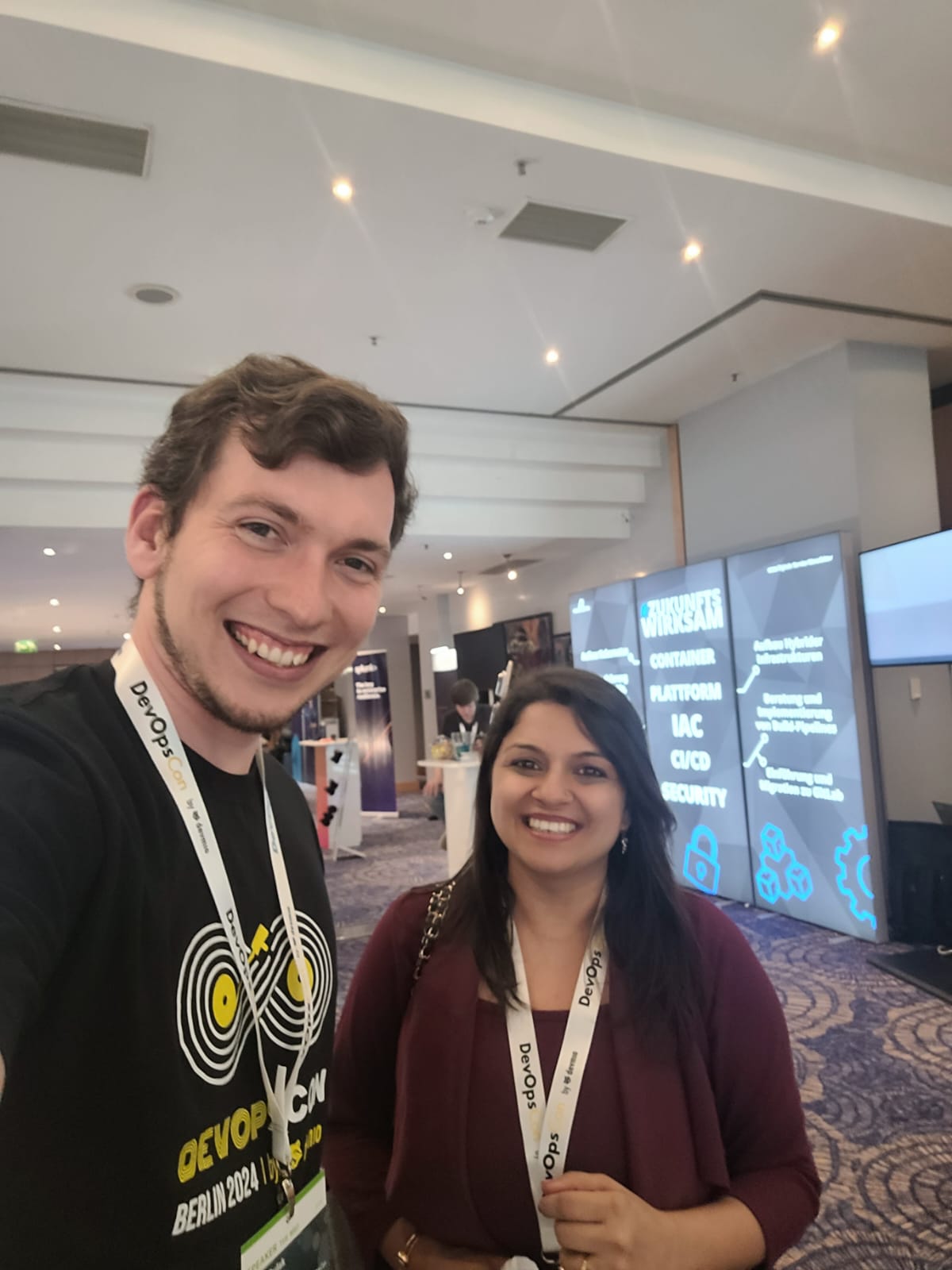
Just back from the big trip! And catching a moment to jot down my experiences in Berlin! I was invited by DevOpsCon to present at the Berlin event in June 2024, which turned out to be a fantastic event!
Apart from the hurried visa process and the last minute preparations, the travel went smoothly. Being my first ever event in Europe, I was elated and honored to have the opportunity to speak at this massive event!
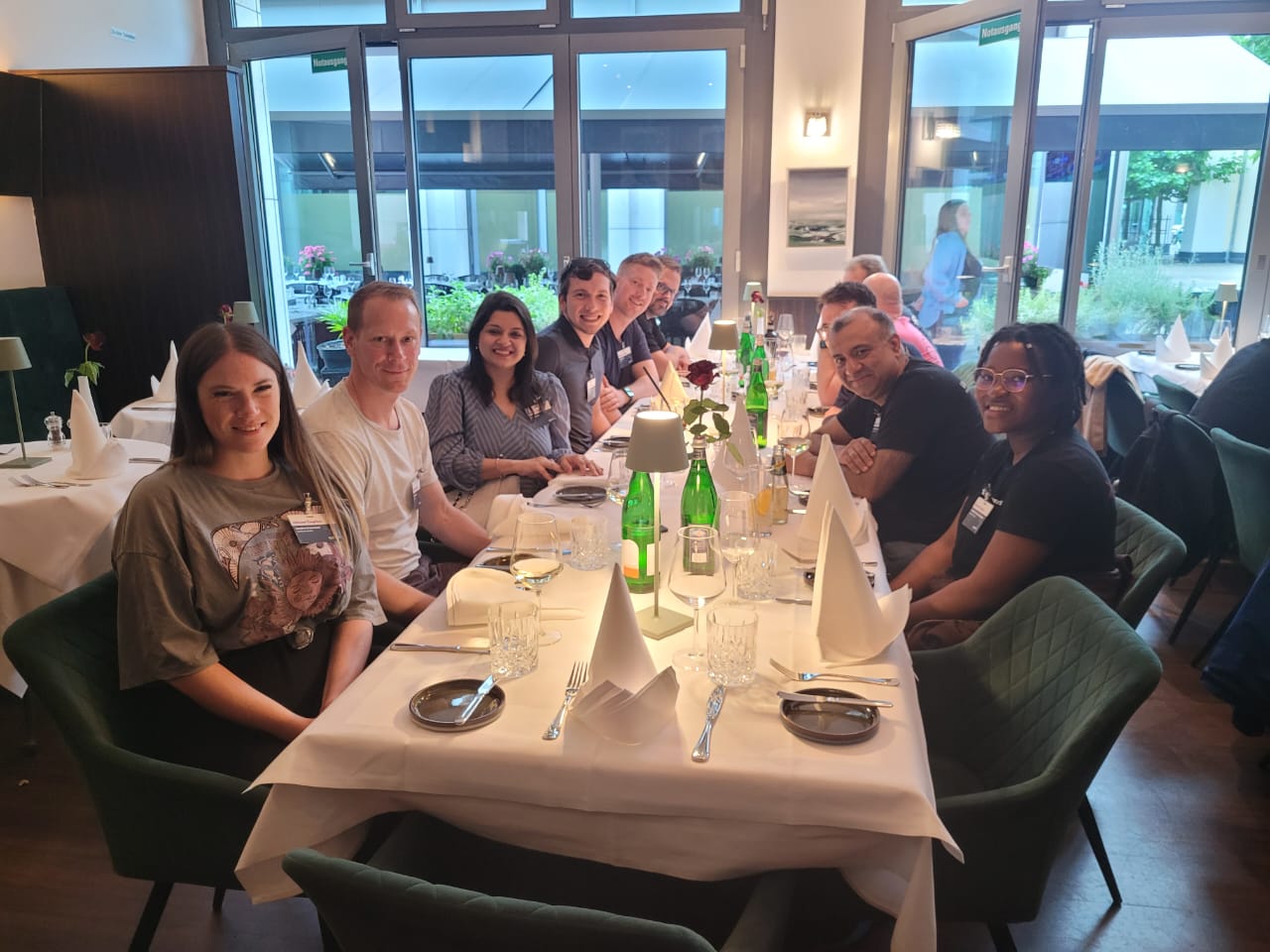
The organizing team had invited us to a welcome dinner on the initial day of the conference, which was a great way to meet other speakers and make some connections! Our conversations turned evening to night and we connected over work, career, challenges, travel and much more!
The day of the event arrived with lots of excitement & nerves. It sure was a grand setup and well managed by the tireless team from Devmio.
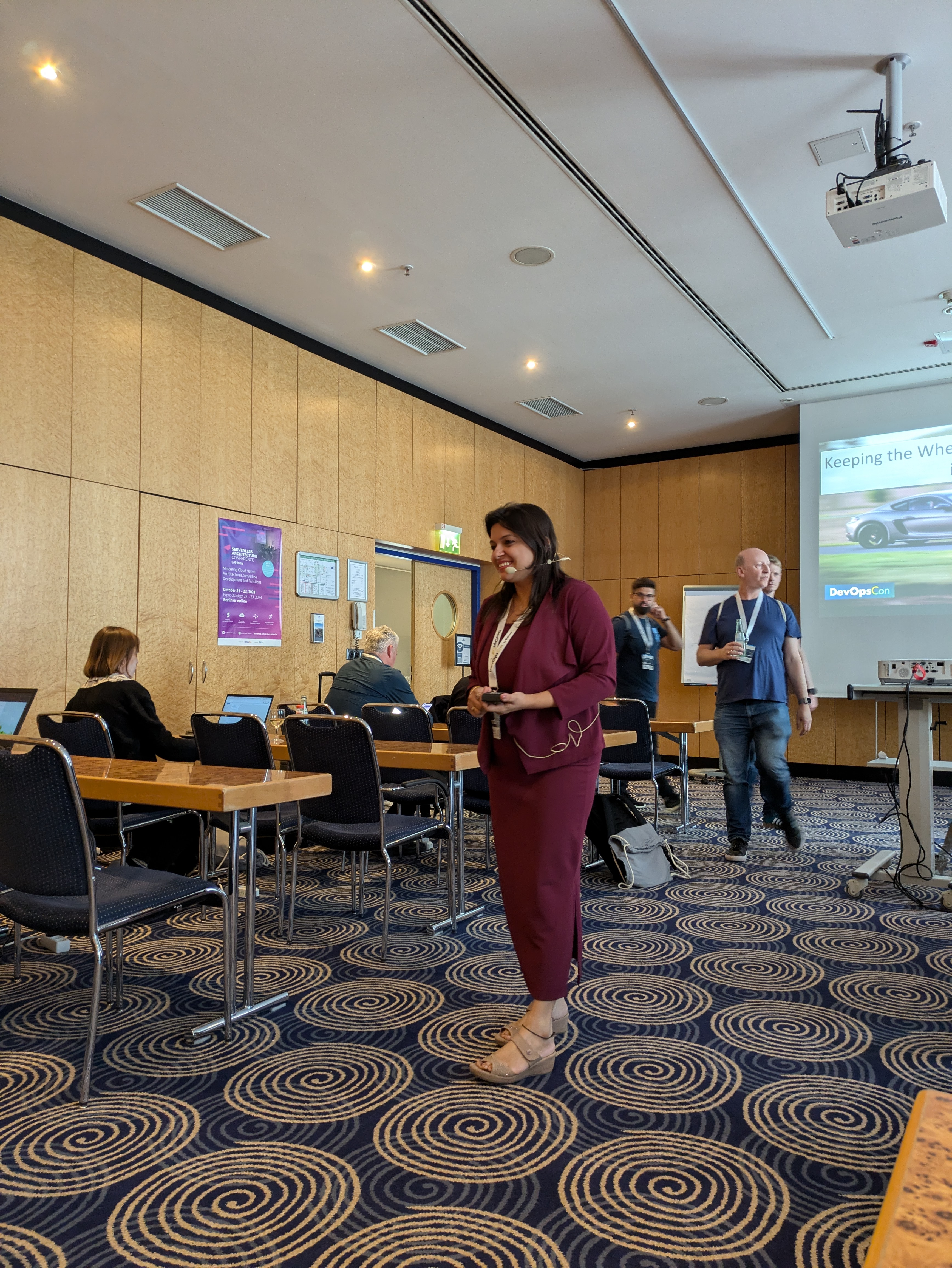
My session was titled “Keeping the Wheels of Continuous Testing in Motion“, and saw attendees from various countries and a variety of tech contexts! The session went well and had some great engagement from the attendees in form of questions and discussions and some nice feedback at the end.
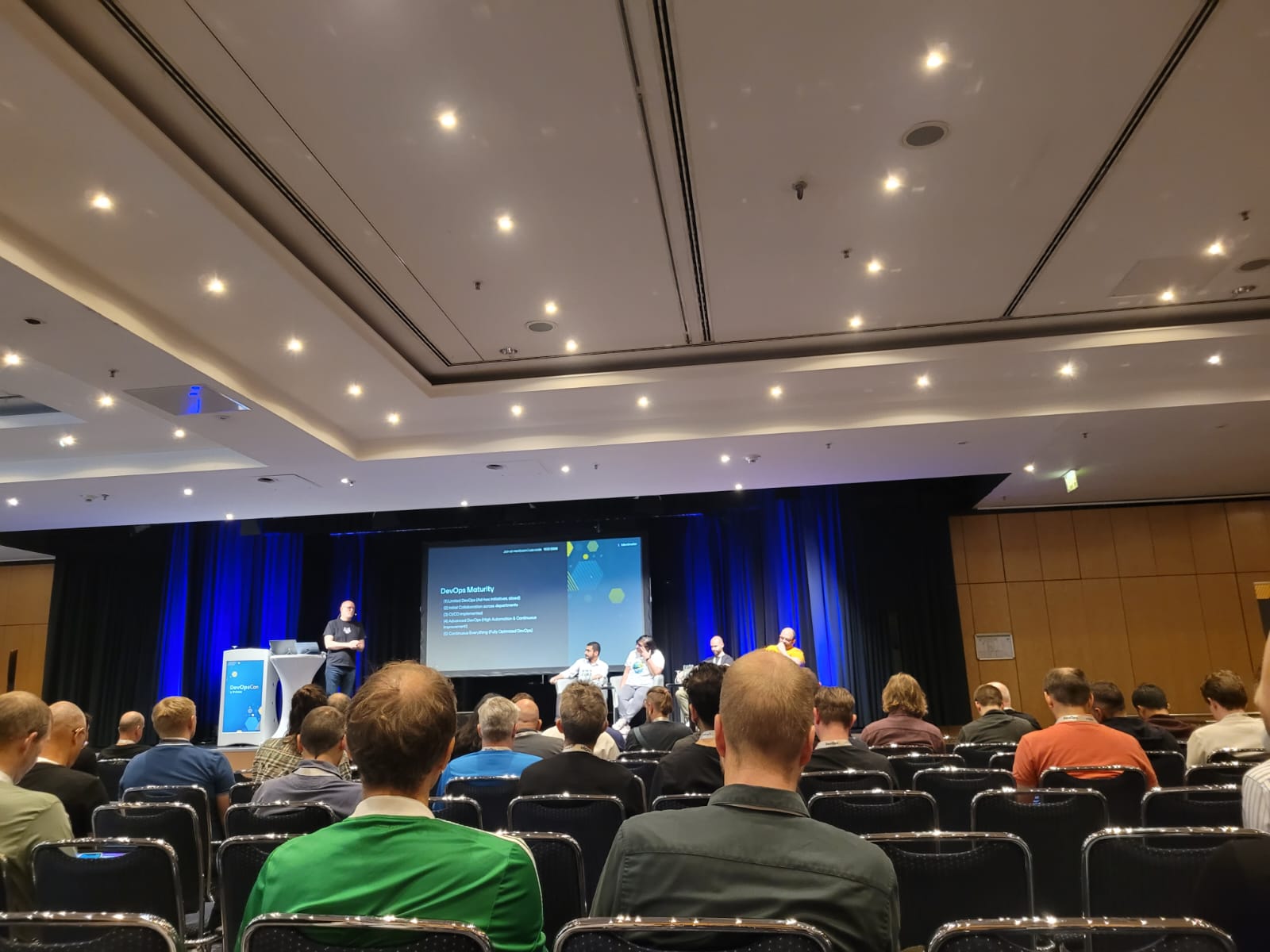
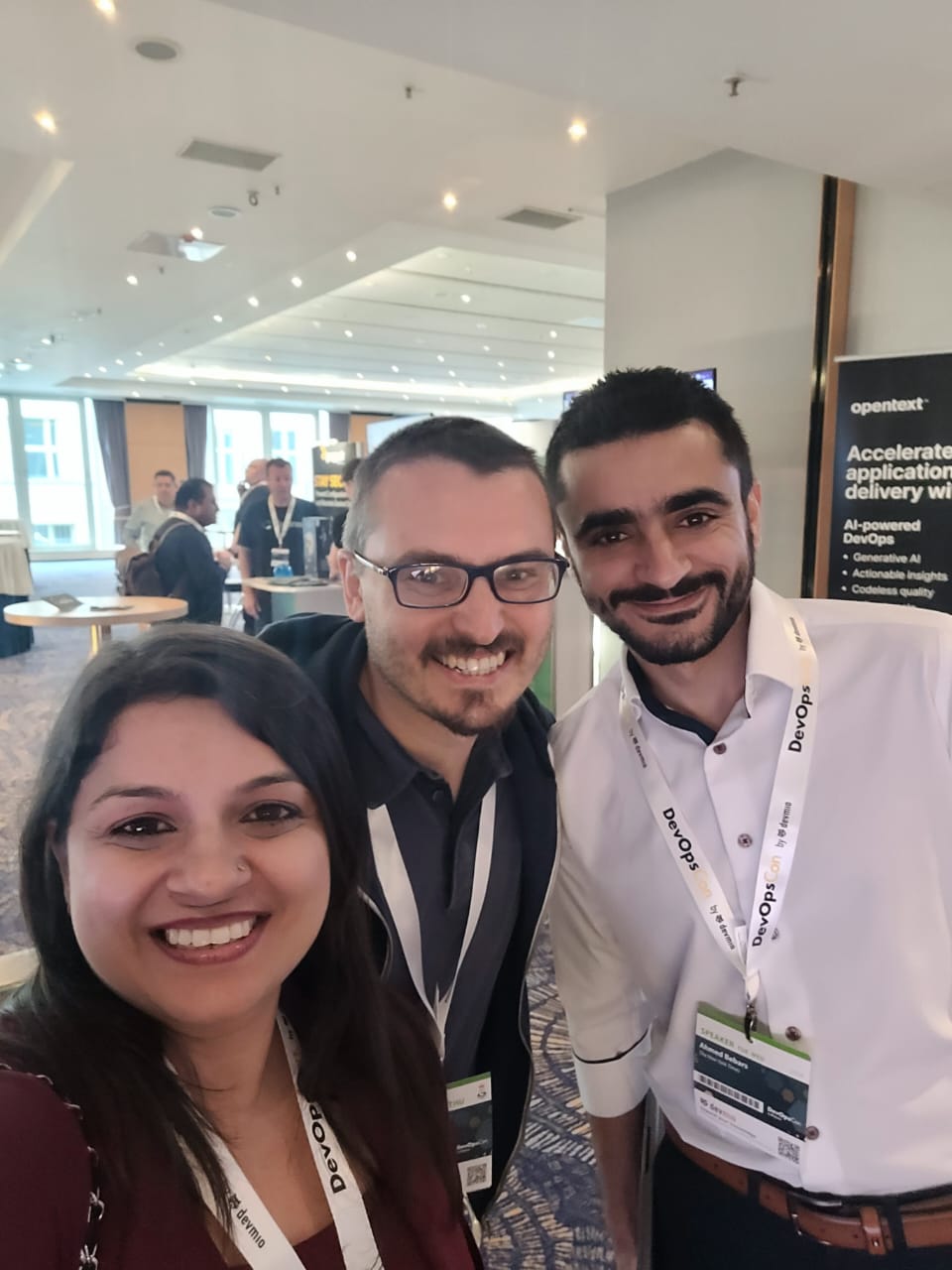
Here is me meeting up with fellow speakers, catching the keynotes and networking with the delegates. Had some great conversations with my friends Simon Pearce, Martin Dulak, Nikhil Barthwal, and my fellow other female speaker at the event Almudena Vivanco !
It is insightful to hear from such varied personalities and humbling to be a part of such a world-class lineup of speakers! I am proud to be the only speaker to be invited from India, and one of 2 female speakers at the event!
Overall, this was a great experience. It not only gave me a chance to meet such wonderful people all under one roof, but also provided me the opportunity to travel to another amazing city- Berlin!
Thanking the event team Mirjam Kuhlmann, Robin Schoen and the entire DevOpsCon team!
This event will always hold a special place in my heart.
In today’s fiercely competitive digital landscape, flawless web applications are the cornerstone of a successful online presence. However, achieving this ideal requires a strategic and often overlooked weapon: meticulous web application testing.
A recent study by the International Software Testing Qualifications Board (ISTQB) , a leading authority in software quality, unveils a compelling statistic: organizations with robust testing practices experience a remarkable 63% reduction in post-release defects. Let’s unpack what this means for your web app:
Reduced Costs: Fewer bugs after launch translates to less time and money spent fixing issues after deployment. Imagine the savings associated with catching and rectifying problems early in the development cycle.
Happier Users: A web application riddled with bugs and usability issues is a recipe for user frustration. Effective testing ensures a smooth and intuitive user experience, leading to happier and more engaged users.
Enhanced Brand Reputation: A web application that functions flawlessly and delivers a seamless experience builds trust and strengthens your brand reputation. Users are more likely to recommend a reliable and user-friendly application.
Having established the undeniable value of web application testing, let’s now equip you with the knowledge to construct bulletproof applications. Here, we’ll delve into the best practices that empower you to implement a comprehensive testing strategy:
Best Practices for Web Application Testing
Emphasize User-Centric Evaluation:
Usability testing assumes a pivotal role in meticulously appraising how users interact with your web application. Through a granular examination of factors such as interface design, navigational architecture, content perspicuity, and overall user experience, you can discern areas for improvement and refine your application to achieve optimal user-friendliness. Remember, a user-centric approach is instrumental in fostering user engagement and propelling conversions.
Evaluate Web Application Performance:
Performance testing meticulously assesses the responsiveness and loading speed of your web application under various conditions. This encompasses factors such as page load times, system stability under high traffic volume, and overall responsiveness. A web application exhibiting sluggish loading times or subpar performance can significantly impede user satisfaction. Performance testing empowers you to identify and rectify these bottlenecks, ensuring a seamless and efficient user experience.
Implement Comprehensive Security Testing:
Security testing is an indispensable facet of safeguarding your web application from vulnerabilities that could be exploited by malicious actors. This process involves meticulously identifying and rectifying potential security weaknesses to protect user data and maintain the integrity of your application. Robust security testing fosters trust with your users and shields your application from cyber threats.
Integrate Exploratory Testing Throughout the Development Lifecycle:
Exploratory testing embodies a dynamic testing approach where testers leverage their acumen and creativity to improvise test scenarios while interacting with the application. This method uncovers issues that might be missed by scripted tests and assists in identifying unforeseen user behaviors. By incorporating exploratory testing throughout the development lifecycle, you can proactively discover and rectify potential problems before they impact your users.
Prioritize Cross-Browser Compatibility Testing:
A cornerstone of web application testing involves verifying consistent functionality across a diverse array of web browsers and devices. Contemporary users leverage a heterogeneous assortment of platforms to access websites, thus compatibility with prominent browsers (Chrome, Firefox, Safari, Edge, etc.) and devices (desktops, tablets, mobiles) is paramount. This meticulous approach guarantees a broader reach and a uniformly positive user experience for all.
End Note
In the ever-evolving digital arena, flawless web applications are no longer a luxury, but a strategic necessity. This guide has served as your compass, navigating you through the importance of web application testing and its impact on user experience, cost-effectiveness, and brand reputation. Now, armed with the best practices , you are empowered to transform your web application from a nascent concept into a robust and user-centric reality. Remember, exceptional web experiences are not born by chance, but meticulously crafted through the fires of rigorous testing.
Embrace this knowledge, embark on your testing journey, and unlock the full potential waiting to be unleashed. Let your web application become the cornerstone of your digital dominance.
<This is a guest post by Vijayashree Shinde>
Vijayashree Shinde is the Digital Marketing Executive. She has worked in a wide range of industries, including the software testing industry. Currently, she is a Digital Marketer at Testrig Technologies. In addition to as marketing expertise, Vijayashree enjoys writing articles on quality assurance for a larger audience.
I am elated to share another speaking invitation that I am super excited and honored to receive! I will be speaking at DevOpsCon, Berlin – which will be a grand event hosted by S&S Media from June 17 – 20, 2024, at the Maritim ProArte Hotel. The event will include 4 full days of learning about the latest industry innovations with Power Workshops, Sessions and Keynotes with 40+ speakers from around the globe!
I am honored to be a part of such an esteemed speaker line up!
The event has learnings spread over many tracks such as –
Description: “Continuous testing is the way toward continuous delivery. Software teams must strive for continuous improvement of their continuous testing strategy. Continuous delivery is necessary for agile development, and that cannot happen without having continuity in testing practicestoo. In a DevOps environment, teams can reduce their release times from months or years to weeks or days (or even hours!). By adopting the correct practices and embracing the spirit of continuous learning and improvement, we can help our testers to become agile champions. In this talk we will explore some tips to improve your continuous testing framework and help your DevOps succeed including: ensuring test automation is the best fit, leveraging automation benefits in all aspects, selecting the right tools, and creating the optimal pipeline.”
“The mind is not a vessel to be filled, but a fire to be kindled.” ― Plutarch
And that is how we took the mentorship experience that I was a pert of recently. I was a part of AgilityToday‘s Global Mentorship Program 2023-24 organized by #WomenInAgileAndTech which concluded last week. It was a great experience, sharing my knowledge but also learning from so many others in unique ways. I have been associated with the organizing community AgileVirgin in the past too and have always liked the zeal they put into everything they conduct. So, I decided to take up the role of a mentor in this program.
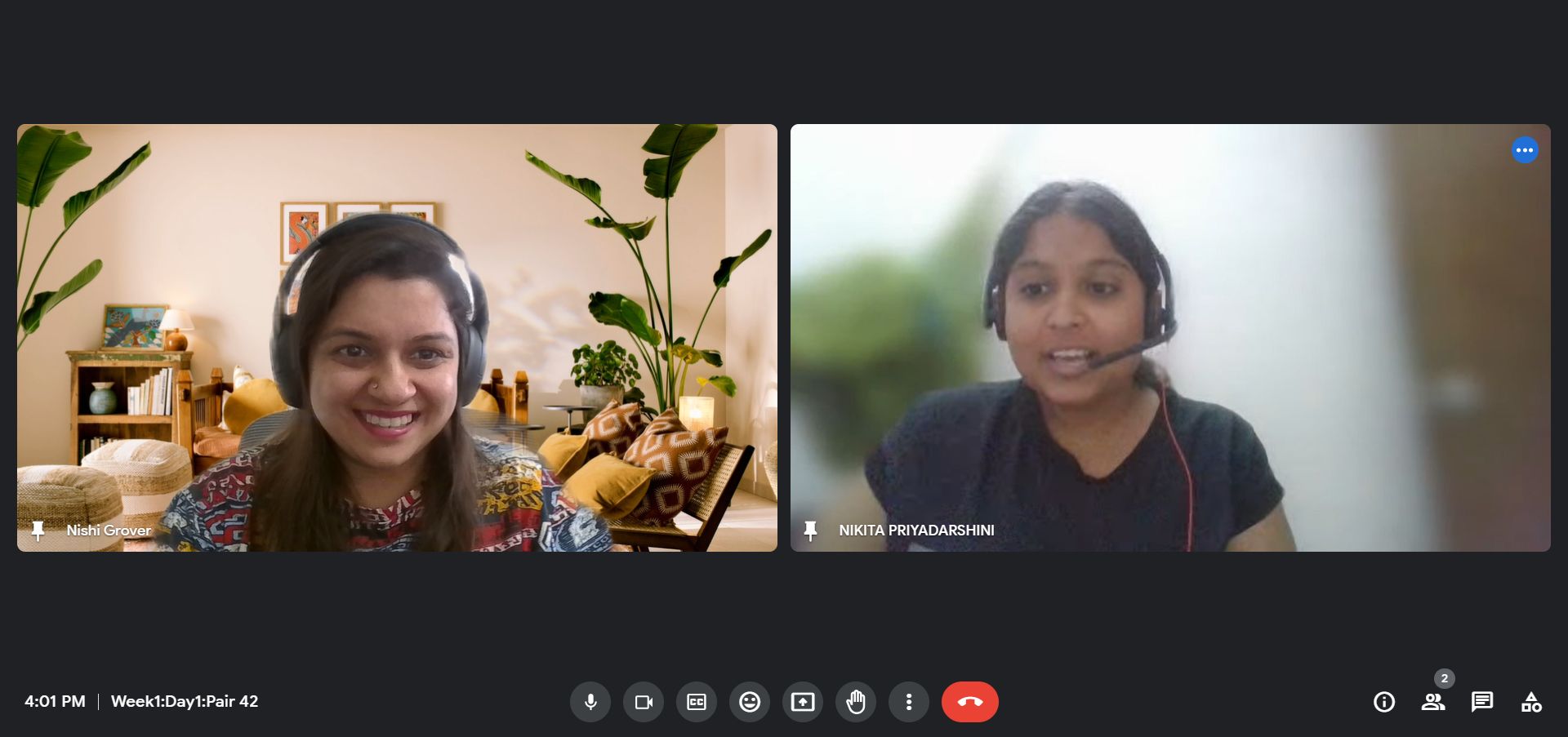
I was matched with a mentee by the program, which then kicked off a 4 week journey into the program. It is always great to meet curious young minds like my mentee Nikita Priyadarshini, who is full of zeal, ideas, questions and enthusiasm!
We had some amazing conversations, chatted about her career aspirations, what she wanted to learn and then charted out a plan for our sessions.
The weeks flew by and we made great progress in every session. Nikita always had great questions, ideas, and results on every topic we talked about. I made sure to share some good resources, reads, book recommendations, online courses and articles to help further her learning.
Here is a gist of what we covered in our mentorship program- as summed up nicely by Nikita into a mindmap!
Thus concluded our Mentorship Program , and we had a closing call with the organizing team where we had a chance to meet other mentor-mentee pairs as well!
We have decided to continue to association, and I would love keep in touch with Nikita to see her growth and help her along the way. Hoping to make an impact and leave a lasting mark on her budding career!
Grateful for the opportunity, and looking forward to many more coming my way in 2024!
The efforts spent over the past few months have materialized today with the launch of my course on the The Test Tribe platform! 🍀
I have carefully curated the contents for the latest practices in the industry, planned the flow of the course for basic to advanced learners and sprinkled practical examples, scenarios and anecdotes from my experience. 📋
We also have a #knowledgecheck at the end and you can earn a #certificate in Agile Testing at the end of the course. 🥉