What can you learn from the defects you found?

The bugs we find during testing can tell us a lot about the application, the state of its quality and its release-readiness. Bugs can also provide insights into our development processes and practices — and lapses therein.

How can we study bugs to improve the overall state of our project? In my article published @Gurock TestRail blog, I have described three things to learn from the bugs you find. https://blog.gurock.com/three-learn-bugs/

 The location of defect clusters

Defect clustering is one of the seven principles of software testing, and keeping an eye out for these clusters is the responsibility of a good tester.

As we log defects into a tracking tool or portal, teams generally follow the practice of measuring relevant modules, components or functional areas against each defect. When tracked over time, this information can be real gold! It helps us track which areas of the application are having more bugs.

Read More »

What the NAPLAN Fail Tells Us About Testing in Education?

Implications of Software Testing in the field of Education

The National Assessment Program – Literacy and Numeracy (NAPLAN) are school tests administered to Australian students. This August, the online program was offered to 1.5 million students. Students failed to log on. 

Had the software undergone functional testing, the program could have launched successfully. A functional testing company verifies every function of the software function as per requirements. It is a black box type of testing where the internal structure of the product is not known to the tester.

Functional and Performance Issues – Naplan’s problem has been ongoing. In March, it took students 80 minutes to get to online tests. The requirement was of 5 minutes. The software performed shockingly different from what was planned. 30,000 students had to retake tests, which too were marred by technical glitches. The test data was not automatically saved. The data recovery time was 15 minutes compared to the requirement of zero minutes. Once again, the software did not perform as expected. Eventually, the problem was resolved, however, it came at the expense of dropouts and time lags. 

Accessibility Issues – Naplan software had other errors that a functional testing company could have taken care of. The features that were designed for students with disabilities were not functional. Alternate text for students was missing, incorrect and inaccessible for students with auditory disabilities. The color contrast was poor. The color contrast was of immense importance to those who required accessibility help with seeing visuals. 

In the Naplan case, a functional testing company would prepare several test cases to verify the functionality of the login page, accessibility features, load times and data recovery times against the requirements specified. Functional testing would cover unit testing, integration testing, interface testing, and regression testing. In addition to manual testing, a functional testing company would perform automation testing. Software testing tools automate tests to improve the accuracy and speed of execution.

Read More »

Scrum, Kanban & Scrumban – What’s the difference?

Agile is a big umbrella that covers a number of different approaches, and there is always scope for more. There are so many flavors because agile is a mindset that allows flexibility in its processes. Two of the more popular approaches are Scrum and Kanban.

Scrum and Kanban apply agile principles in their own way to empower effective delivery cycles. “Scrumban” is a term coined for a hybrid approach making use of both Scrum and Kanban principles.

In my article published at Testrail , I have explore the differences among the three methodologies – Scrum , Kanban and Scrumban. Check it out and see which of these methodologies may be right for you. https://blog.gurock.com/scrum-kanban-scrumban/

Here is a brief about the 3 methodologies –

SCRUM

Scrum is the most popular agile framework. It is iterative and incremental in nature and focuses on tight delivery timelines. The release time frame is split into small iterations called sprints. Work items are planned for each sprint in the form of user stories and tasks, which are prioritized based on value. Teams are small, cross-functional and self-organizing, with a product owner, a ScrumMaster and the development team.

Scrum provides channels for communication through ceremonies such as the sprint planning meeting, the daily standup meeting, the sprint demo, and the sprint retrospective, all of which contribute to the overall pace and a flexible approach to software development.

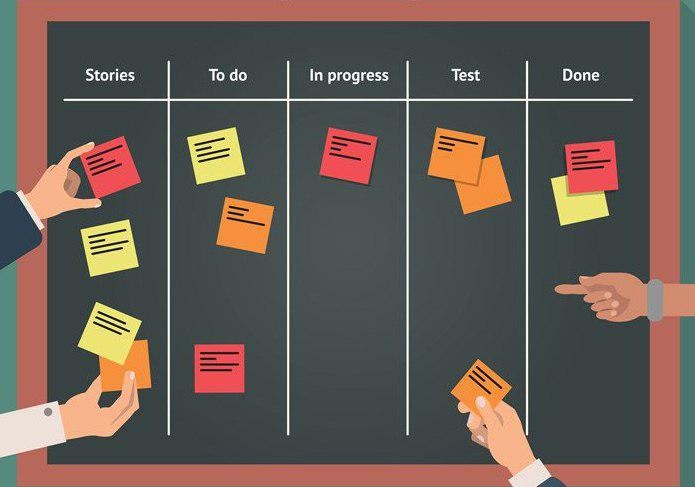
Scrum Task board

KANBAN

Kanban is focused on continuous delivery based on lean principles. It’s based on the flow of work and just-in-time delivery and promotes process improvement. Kanban aims to eliminate waste, increase productivity and efficiency, and have flexibility in production. The main goals are to limit work in progress (WIP), avoid multitasking and recognize bottlenecks.

Read More »
Interesting Podcast Recommendation- Melissa Eaden @Maintainable with Robby Russell

I recently came across this podcast which is a very interesting and thoughtful conversation. Hosted by Robby Russell , Maintainable is a podcast hosted about overcoming problems often associated with technical debt and legacy code.  In this episode, Robby speaks with Melissa Eaden, Tech Lead in Quality at Unity 3D. She shares her experience working with legacy code as it relates to testing. Hearing this conversation, I could not help nodding along and agreeing with each word about problems in testing, requirements for a tester and the best use of existing resources, communication and collaboration for a better quality initiative in your teams. Check out the podcast and listen to the episode here ->

https://maintainable.fm/episodes/melissa-eaden-its-never-a-one-person-job

Here are some key points that resonated with me-

  • Visibility , Communication and Research are the 3 most important arsenal for a tester
  • It’s never a one person job
  • The importance of communication and making connections
  • Information gathering via offhand conversations
  • Quality is a people problem!

Hope you enjoy it!

4 ways Task boards can help Agile teams

A task board is a physical or virtual chart containing all current team tasks at hand and their progress over time. For an agile team, all sprint tasks can be represented on the task board, and their flow over various stages can be tracked in the daily standup meeting. Task boards are a great way to visually representing pieces of work and their status.

Besides helping to organize and track work and being the focal point of the iteration and relevant meetings, task boards can have numerous more benefits for an agile team. In my article published @Gurock, I have discussed four additional ways in which Task boards can help an agile team-> https://blog.gurock.com/agile-task-boards/

Different styles of Task boards

Main points discussed–>

  • Customize the process
  • Visualize their Scrum
  • Improve Commitment and visibility
  • Facilitate Team interactions

Click here to read more ->

My talk @Playscrum Meetup by Leanpitch- 20 July’19

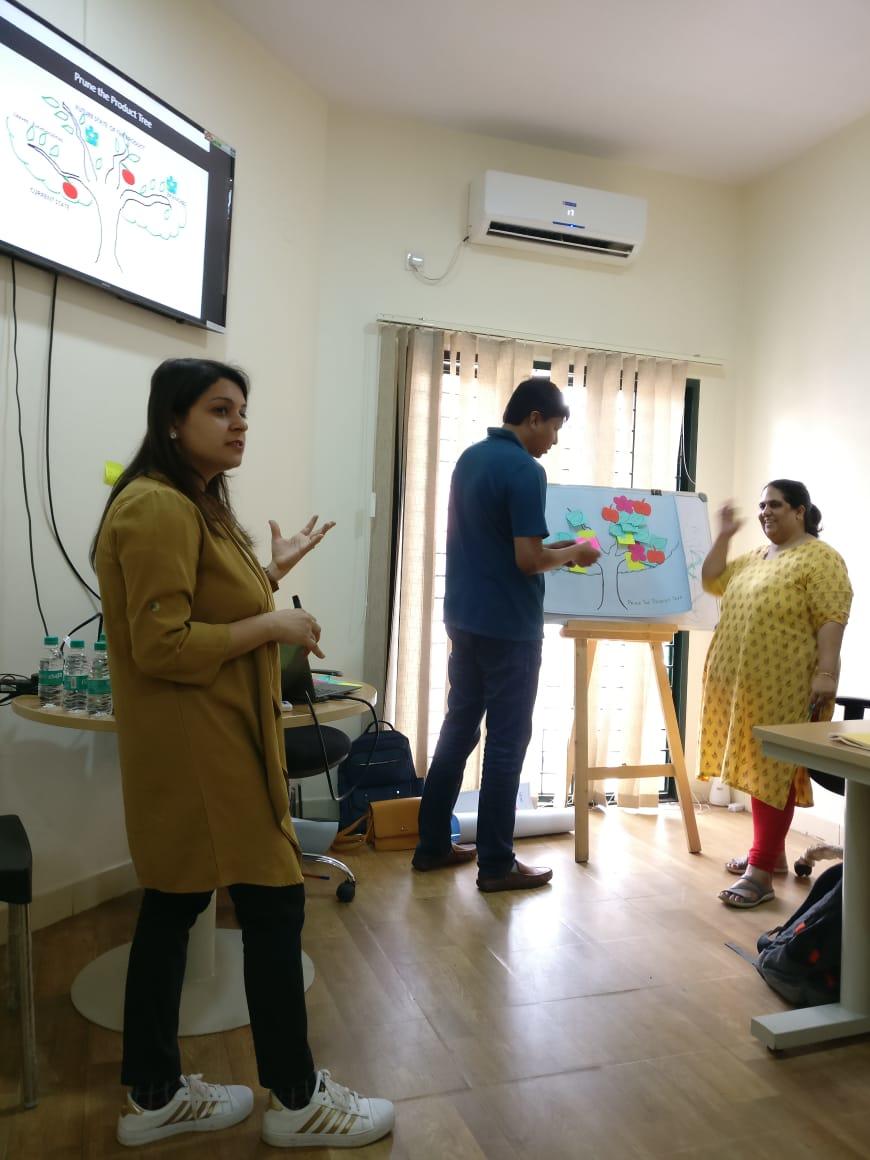
I was invited to present a talk at this month’s @Playscrum Meetup at Bangalore, hosted by @Leanpitch technologies on 20th July

It was a small event with a great set of delegates who gathered to hear me talk about Gamification in Agile teams. Agile teams rely heavily on communication and collaboration among all team members. In this session, I talked about about ‘Innovation Games’ which help make all agile meetings and ceremonies shorter, crisper, more visual and open involving all team members.

It was an interactive session wherein we played many Innovation Games with the audience volunteers, which was a big hit with everyone. There was good participation, many great ideas and discussions in the group. Overall a good experience at my first Playscrum meetup in Bangalore. Would love to collaborate again soon!

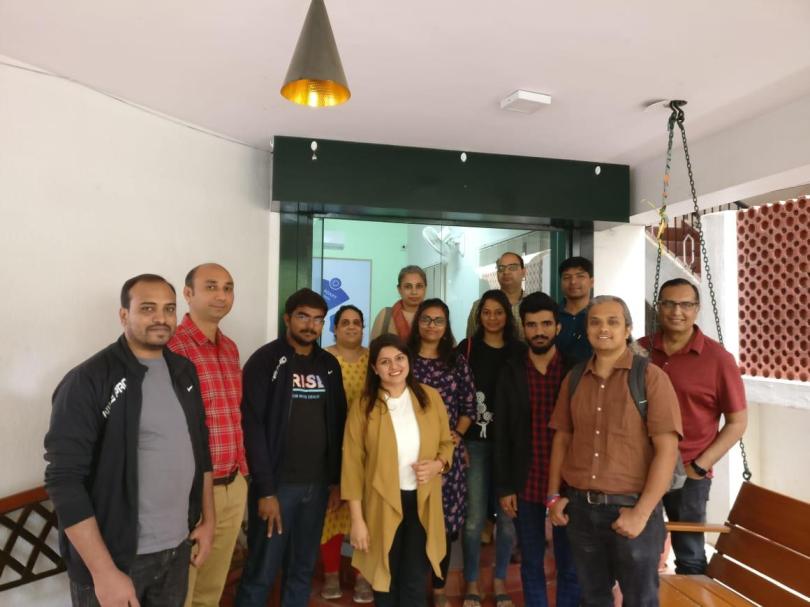
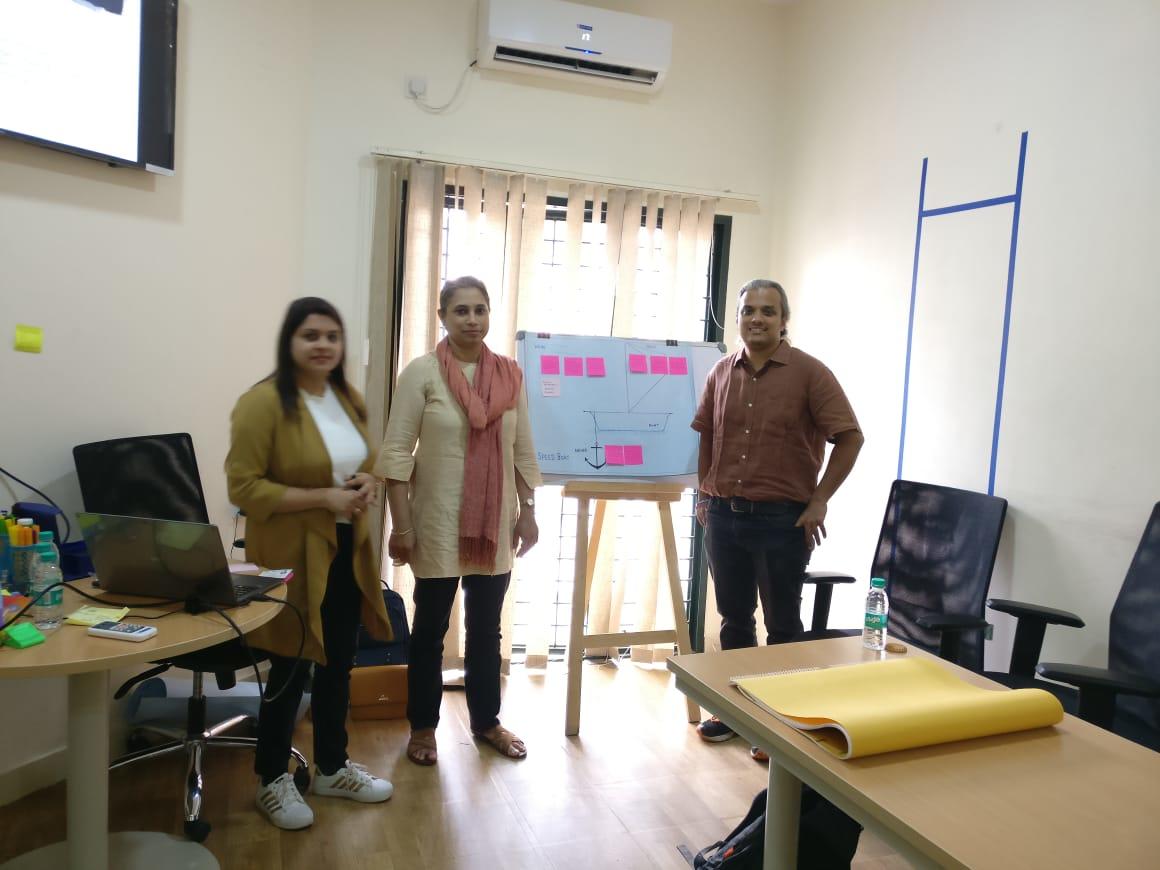
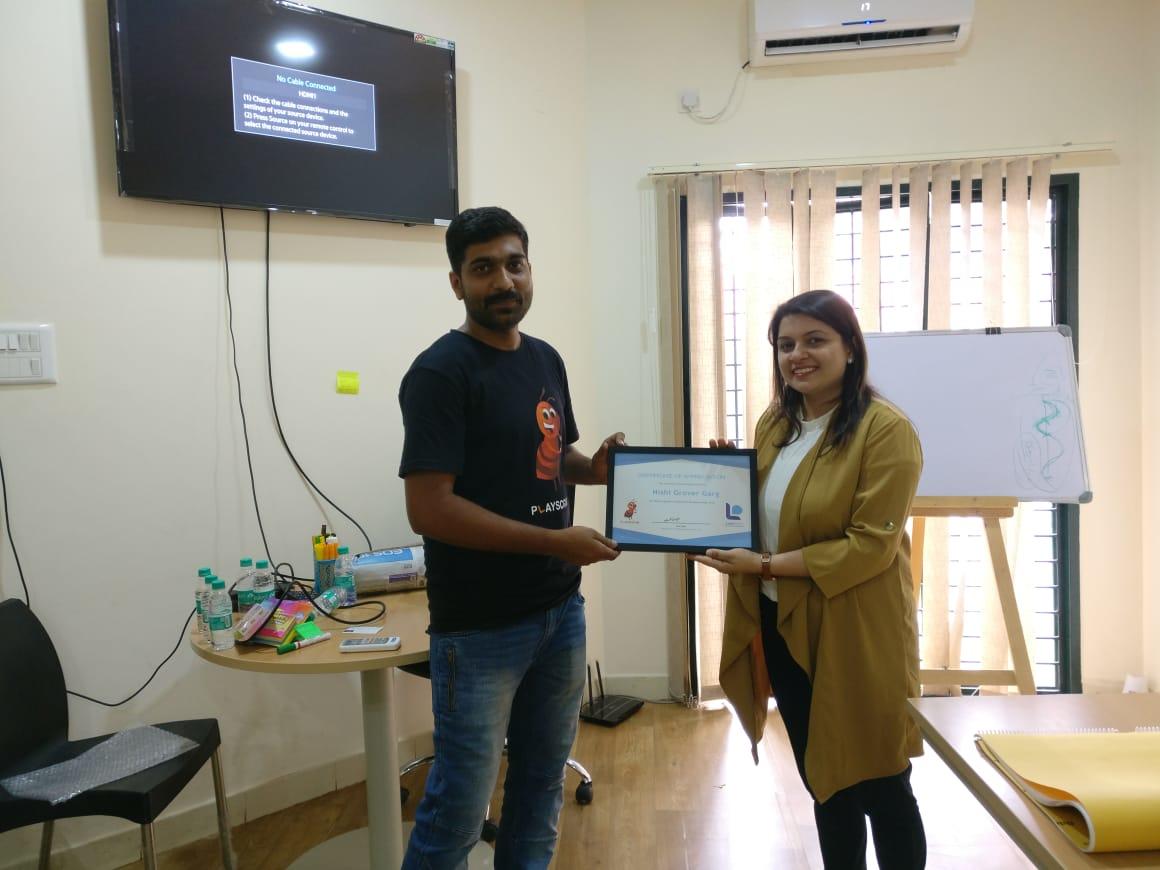
Here is a glimpse of the event-

https://www.meetup.com/PlayScrum-Bangalore/events/262475507/

‘Co-opetetion’ Among Agile Team Members

Agile focuses on motivated individuals acting together toward a common goal. Consequently, agile needs people to collaborate and requires complete transparency, communication, and cooperation, within and across teams. But at the same time, individuals instinctively try to outperform others in order to stand out in their teams.

This transition from individual responsibility to collective ownership is often the hardest part of the cultural shift that teams face when adopting agile. I have looked at ways to encourage healthy competition, more cooperation, and a sense of community among agile teammates in my latest article for Gurock – TestRail blog, the main points being-

  • Showing People the part they played
  • Have Co-workers appreciate each other
  • Measuring personal growth
  • Motivating with extra initiatives
  • Encouraging Collaboration and healthy competetion

Check out the complete article at – https://blog.gurock.com/agile-co-opetiton/ to find ways to encourage healthy competition and better team dynamics in your agile teams!

My Talk & Sahi Pro Booth @World Test Engineering Summit

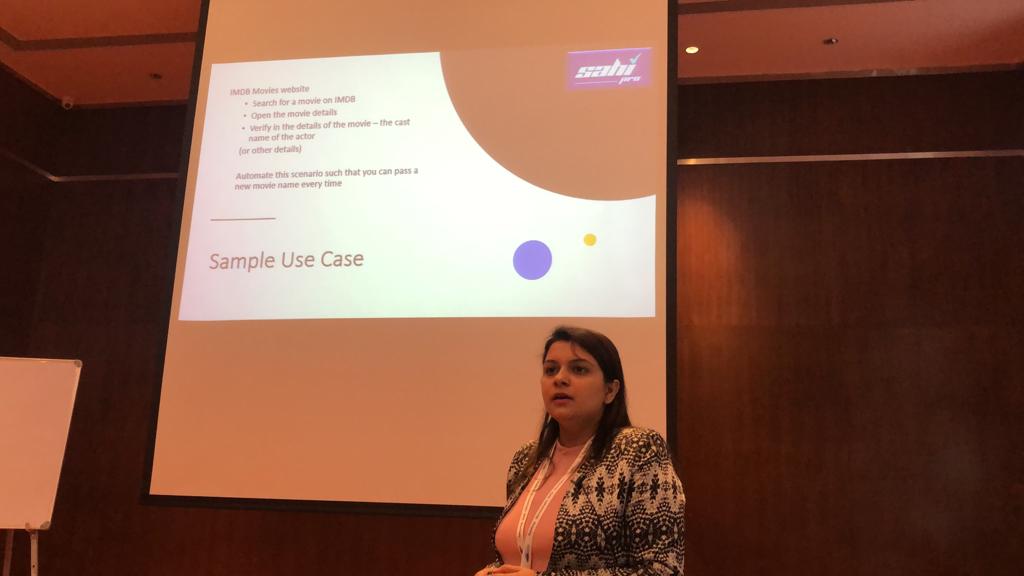
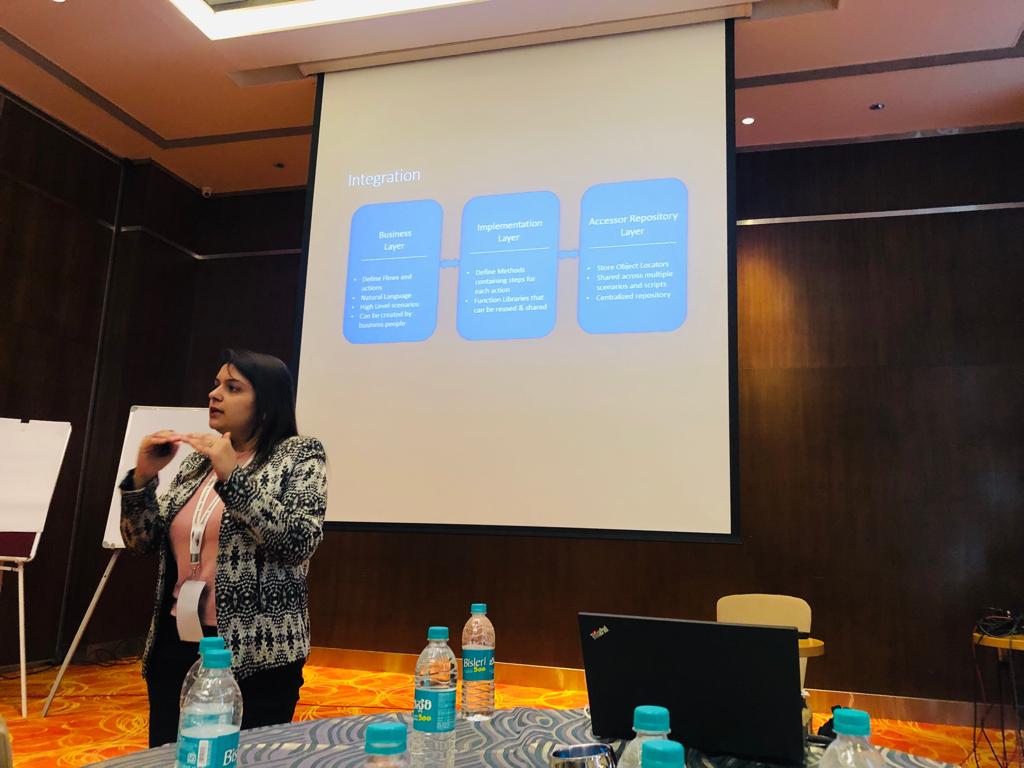
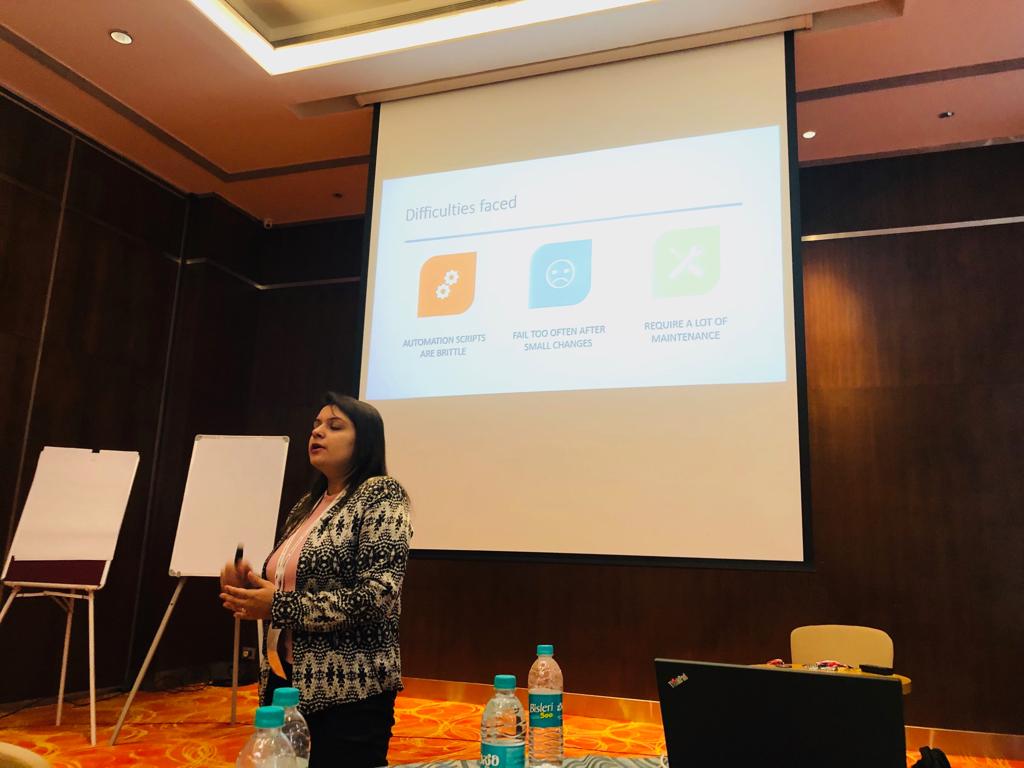
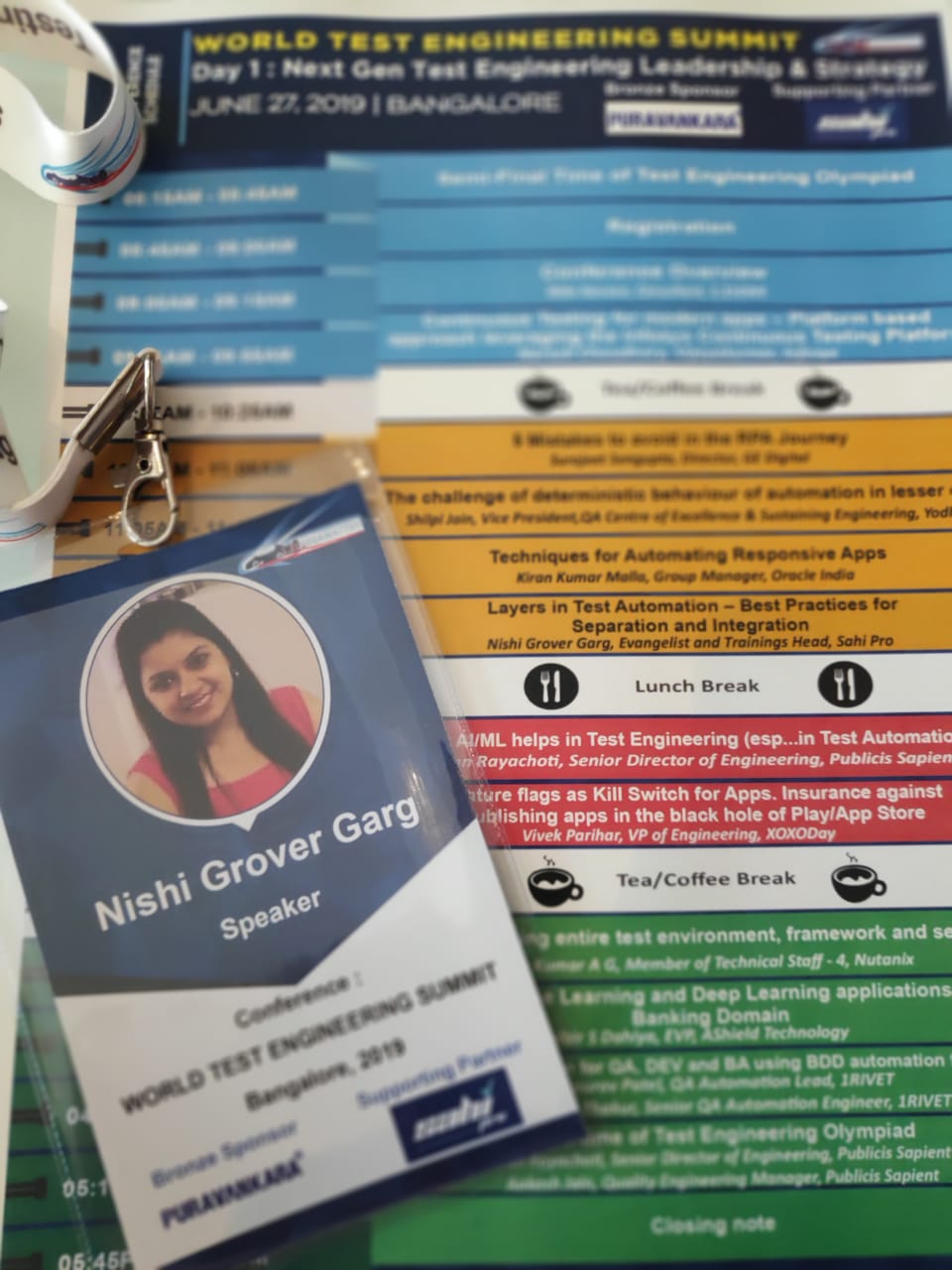
I got a chance to present a talk at the World Test Engineering Summit organised by 1.21GWS @ Bangalore last week and it sure was a great opportunity! My talk title was

“Layers of Test Automation” wherein I presented about test automation framework creation and best practices on creating a sustainable framework. The talk was appreciated and I had great personal feedback and chats with many delegates.

It was amazing to share the stage with renowned speakers like Mrs. Renu Rajini, Mr. Mostafa Awadh from Egypt, Shivaji Raju , Sanjay Kumar and many more.

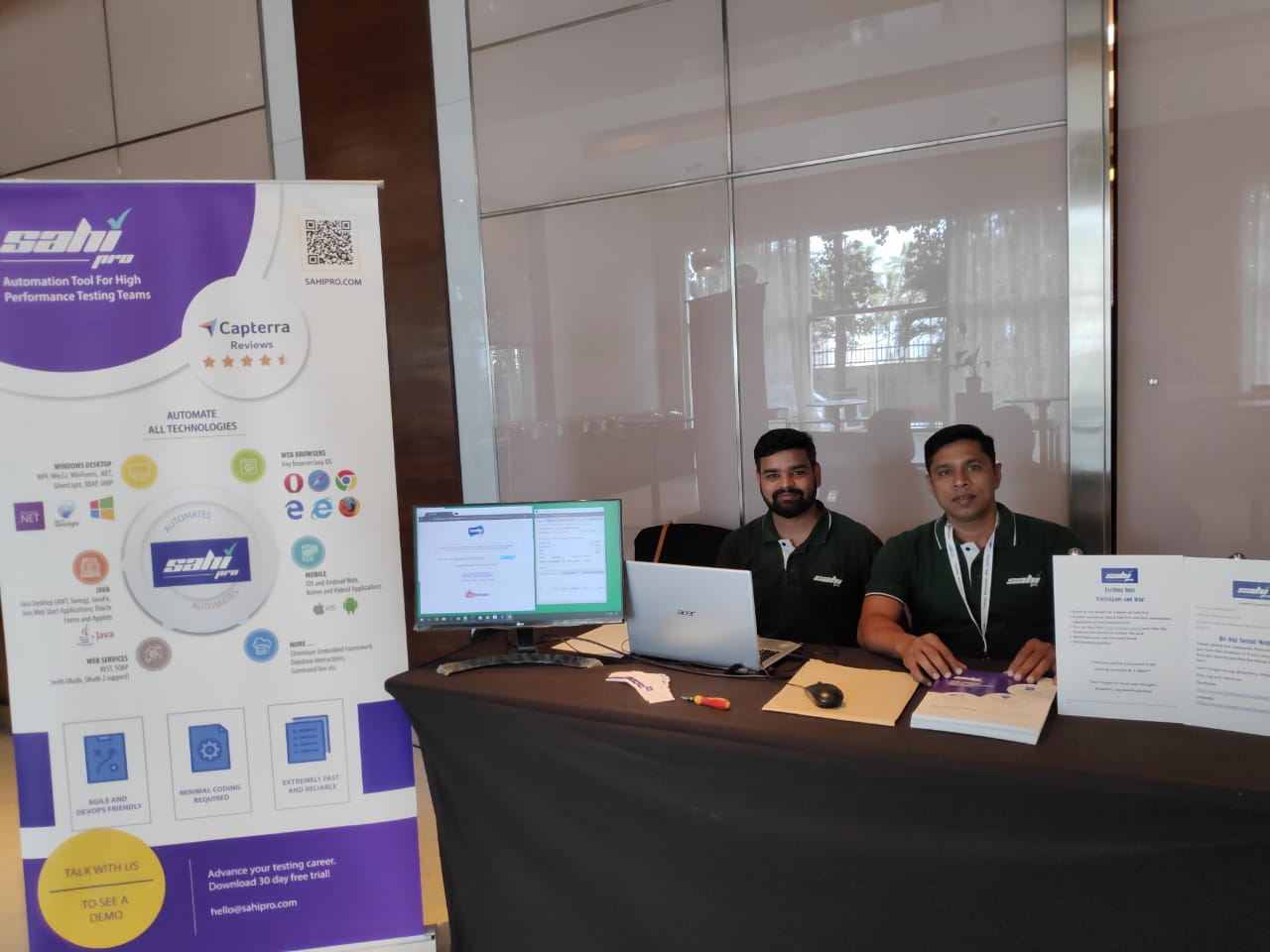
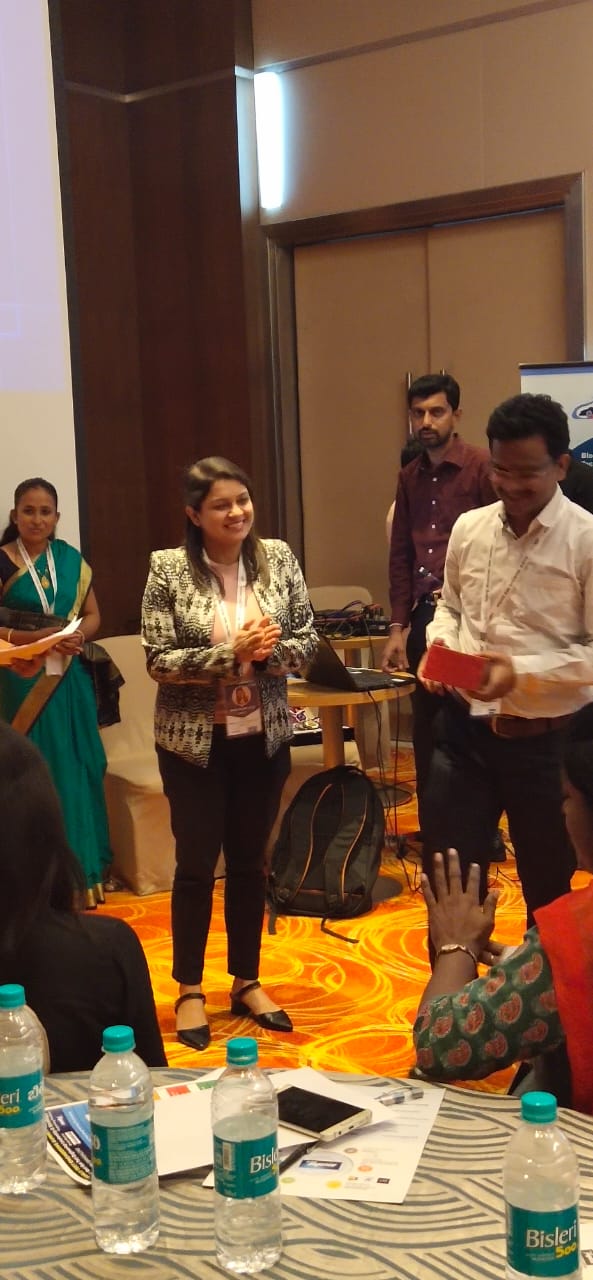
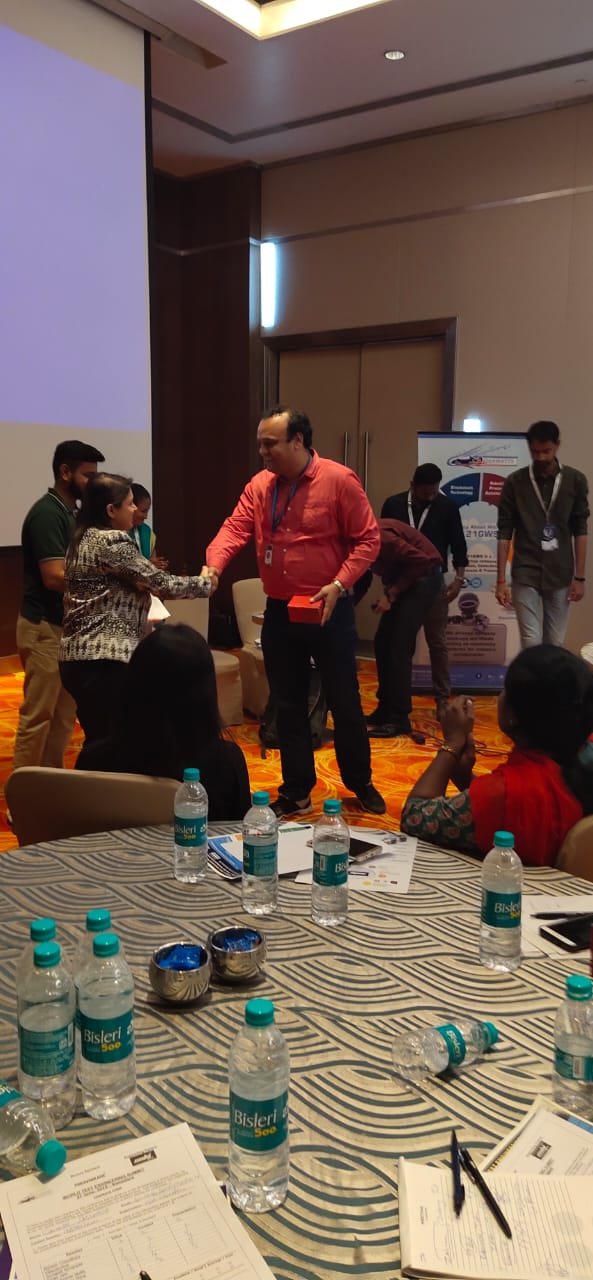
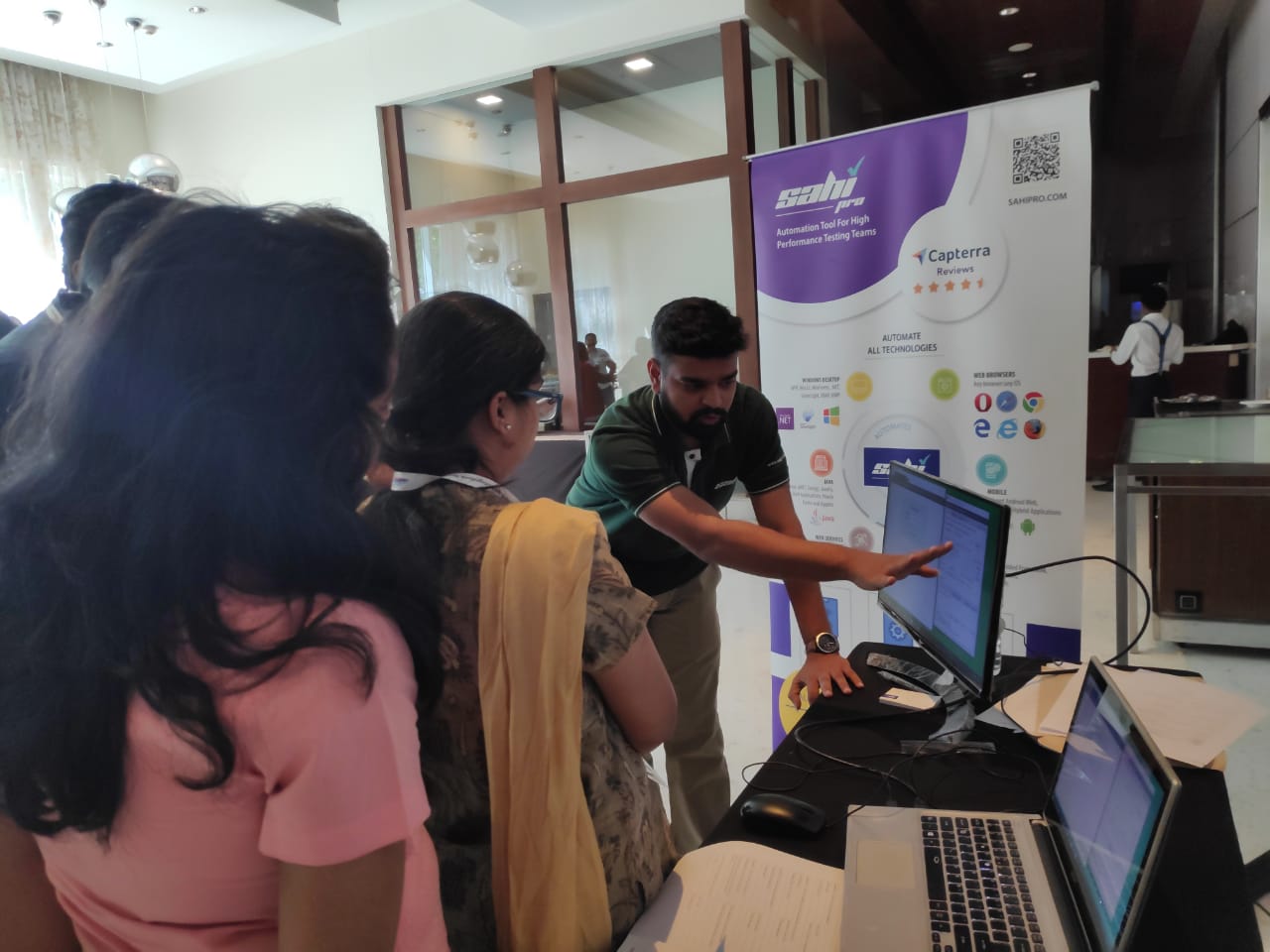
My team at Sahi Pro also decided to partner with the event and setup a demo booth, where my colleagues Pratik and Satish showcased an informative demo of Sahi Pro tool and all of its awesome capabilities. The Sahi Pro booth was a hit, appreciated by the inquisitive participants. We also held a Quiz for people visiting the booth, and the winners were awarded with fun goodies at the end of the day!

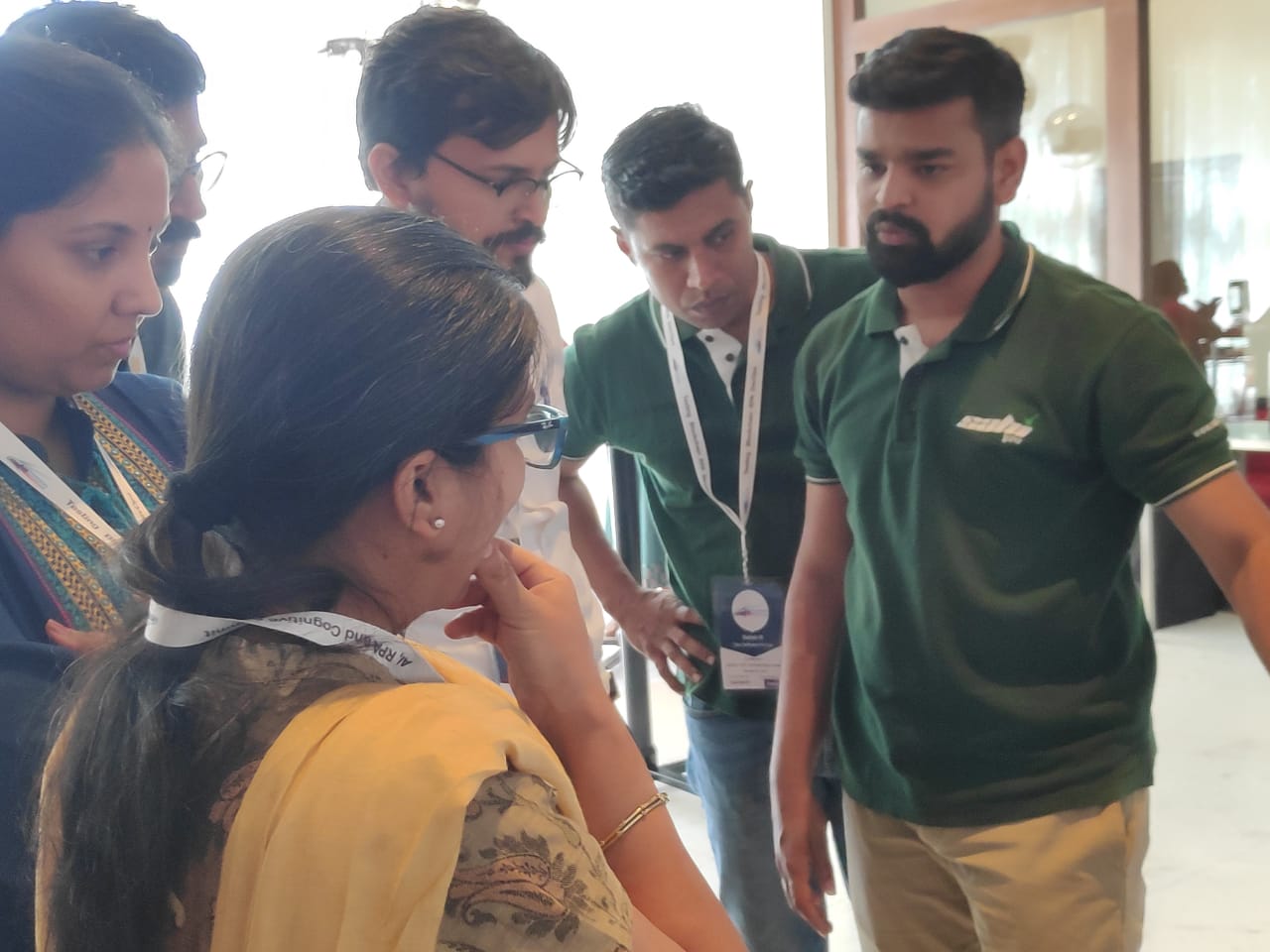
Here is a glimpse into the event-

My Talk —

Sahi Pro Booth–

Felicitation for the Quiz Winners and honoring the organizer Nitin Naveen-

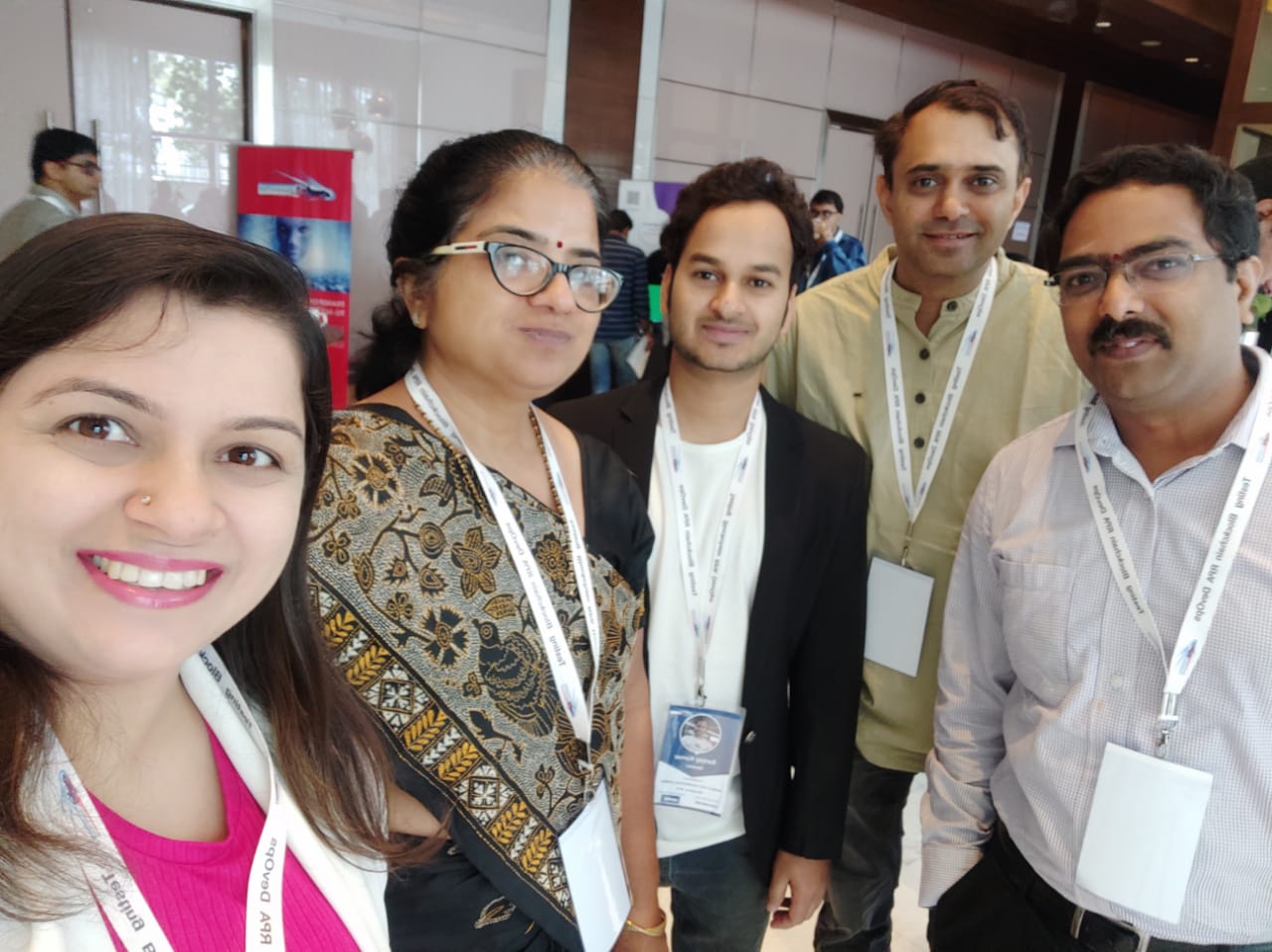
So much fun and networking–

Overall this was a great experience! We would love to collaborate with 1.21GWS again in the upcoming events!

Cheers!

Meeting James Bach at The Test Tribe Meetup @Bangalore

I got the opportunity to meet and listen to the test expert we all look up to – Mr. @James Bach at @The Test Tribe Community meetup organized at Bangalore on 23 June 2019.

It was a great talk by him on the topic ‘Testing vs Checking’ where he discussed the finer nuances of the testing craft and how automated checks are more explicit and fixed than the human brain and the thought process of a real tester.

Apart from the great content, I also observed and loved the presentation style, the ingenuity, the spontaneity, and the interspersed humor! His true passion for testing and the sheer amount of experience shines through each spoken word. We learn a lot just from being in the same room with such experts.

I tried my hands at #sketchnotes for the first time, trying to capture the gist of his talk.

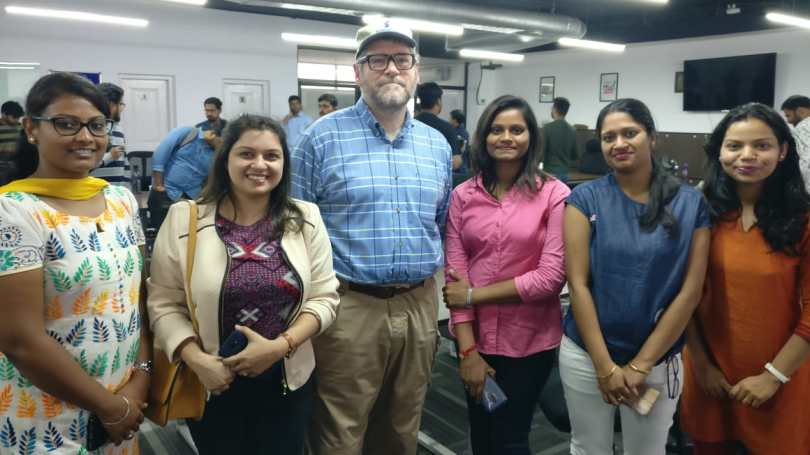
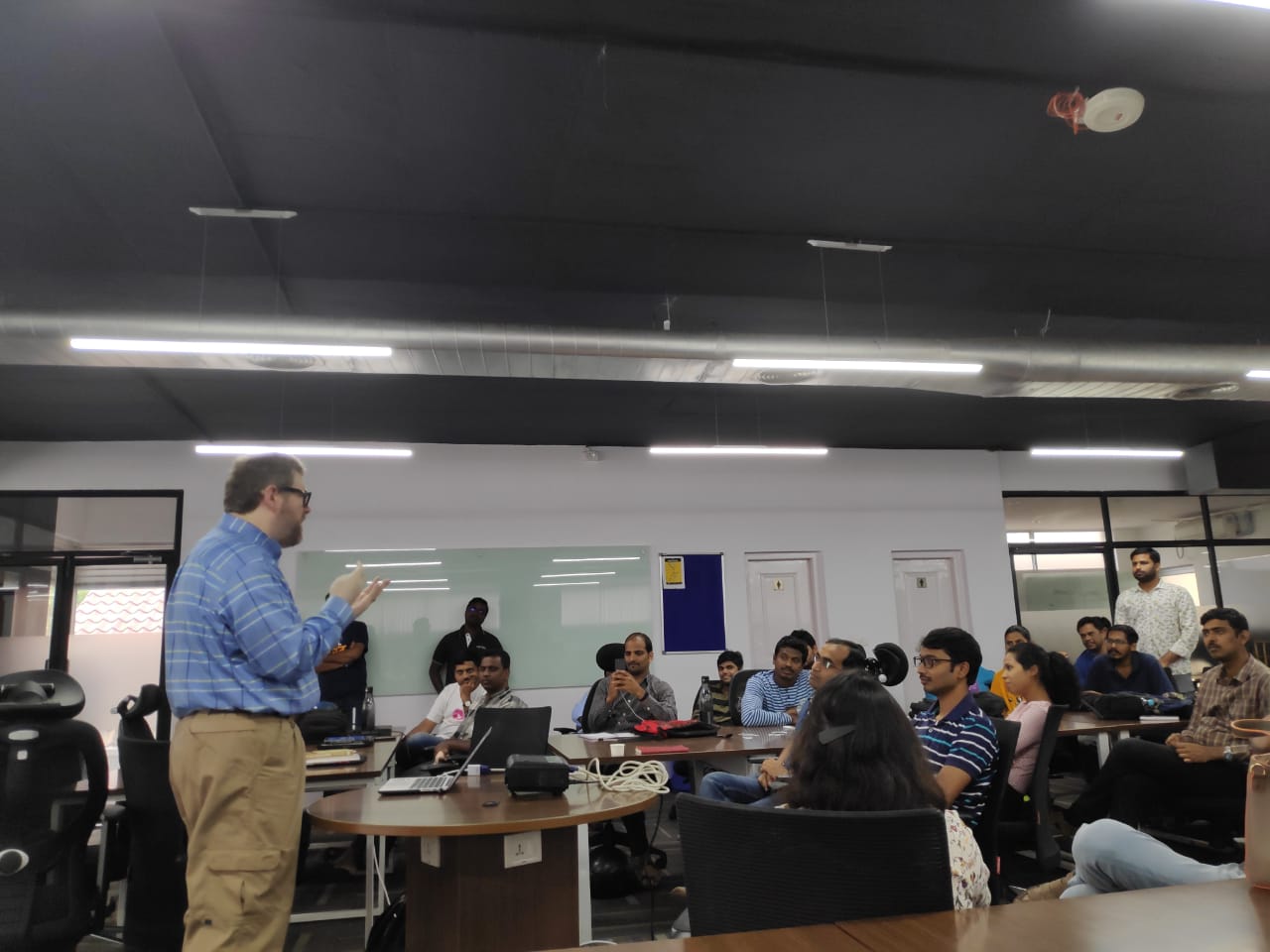
Here is a glimpse into the event-

It sure was an awesome experience and a day well spent! I look forward to meeting him again and getting an opportunity to learn from him!

Cheers!

I am speaking at the ‘World Test Engineering Summit’, Bangalore

I am pleased to announce that I will be speaking at the upcoming ‘World Test Engineering Summit’ being organised by 1.21GWs at Bangalore. It sure is an impressive lineup of speakers and I am glad to be a part of it! Check out the details of the event here-

https://1point21gws.com/testingsummit/bangalore/testengineering/

I will be speaking on –

“Layers in Test Automation – Best Practices for Separation and Integration”

About my topic –

Often a testing team consists of a mix of subject matter experts, some manual testers and testers with some automation experience. Writing tests in the language of the business allows all stake holders to participate and derive value out of the automation process. If you are a nervous beginner or an expert at test automation, you need to know and understand the layers of test automation and how to separate the code from the test. Let us discuss the best approaches and practices for creation of a robust automation framework with correct separation as well integration of these layers. We will also see a demo on how to implement this with a case study!

Also, Sahi Pro is partnering with the event and setting up a demo booth at the event! So, we’ll have our team there to showcase the capabilities of the unique tool and answer all questions.

Be sure to stop by the booth to chat and catch a demo!

Looking forward to a wonderful event! 🙂